
Training

Structural Engineering Fundamentals
Build understanding of forces, equilibrium, load paths and structural behaviour through worked examples relevant to practical engineering decisions.

Structural Loading and Load Combinations
Develop and check loading assumptions and load combinations, explaining their relationship to design situations and governing structural responses.

Beam Analysis and Design
Work through beam behaviour, analysis and design checks, connecting calculated actions with practical member selection and detailing.
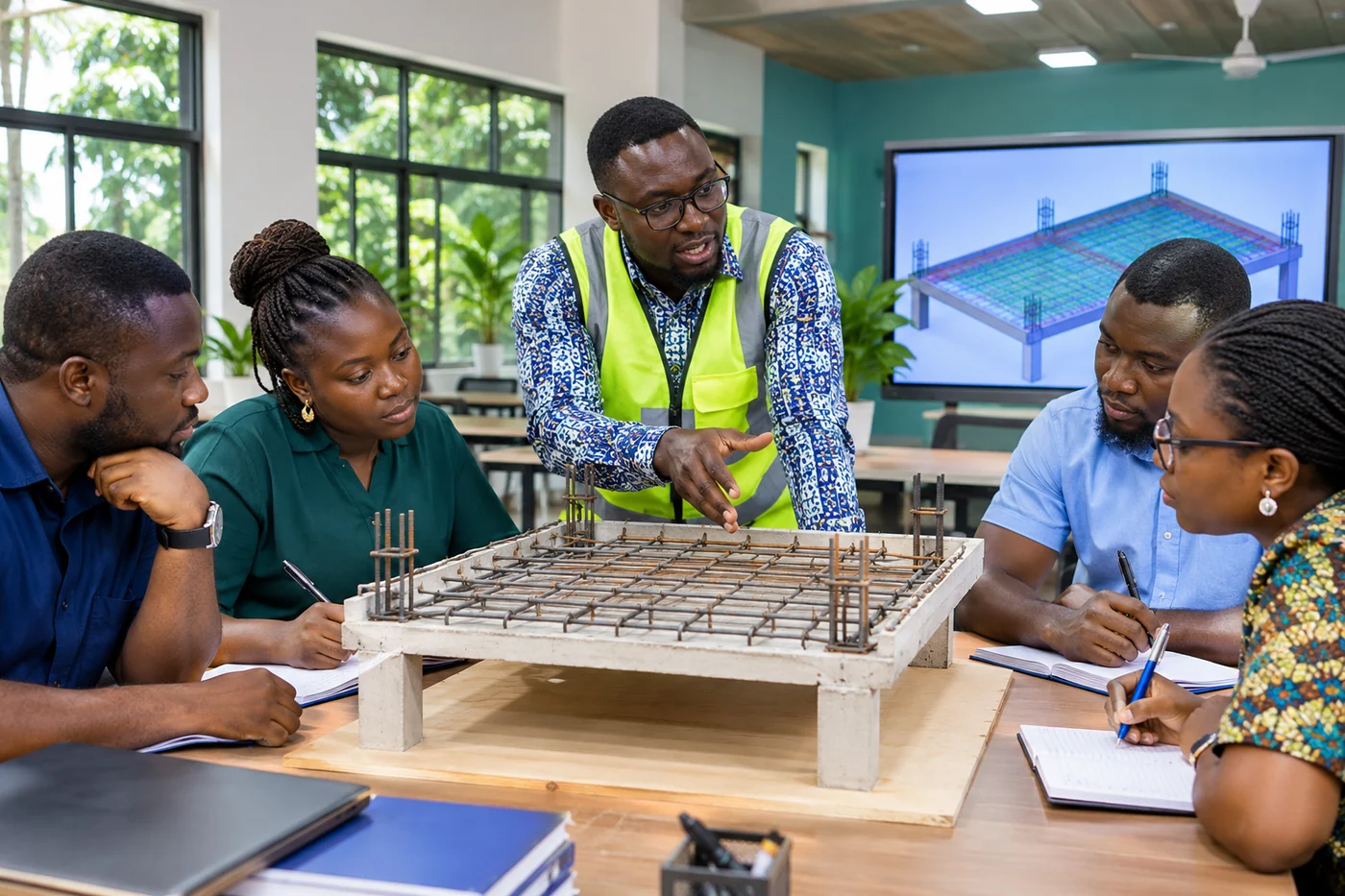
Slab Analysis and Design
Examine slab load paths and analysis methods, then develop design checks and detailing appropriate to common support arrangements.
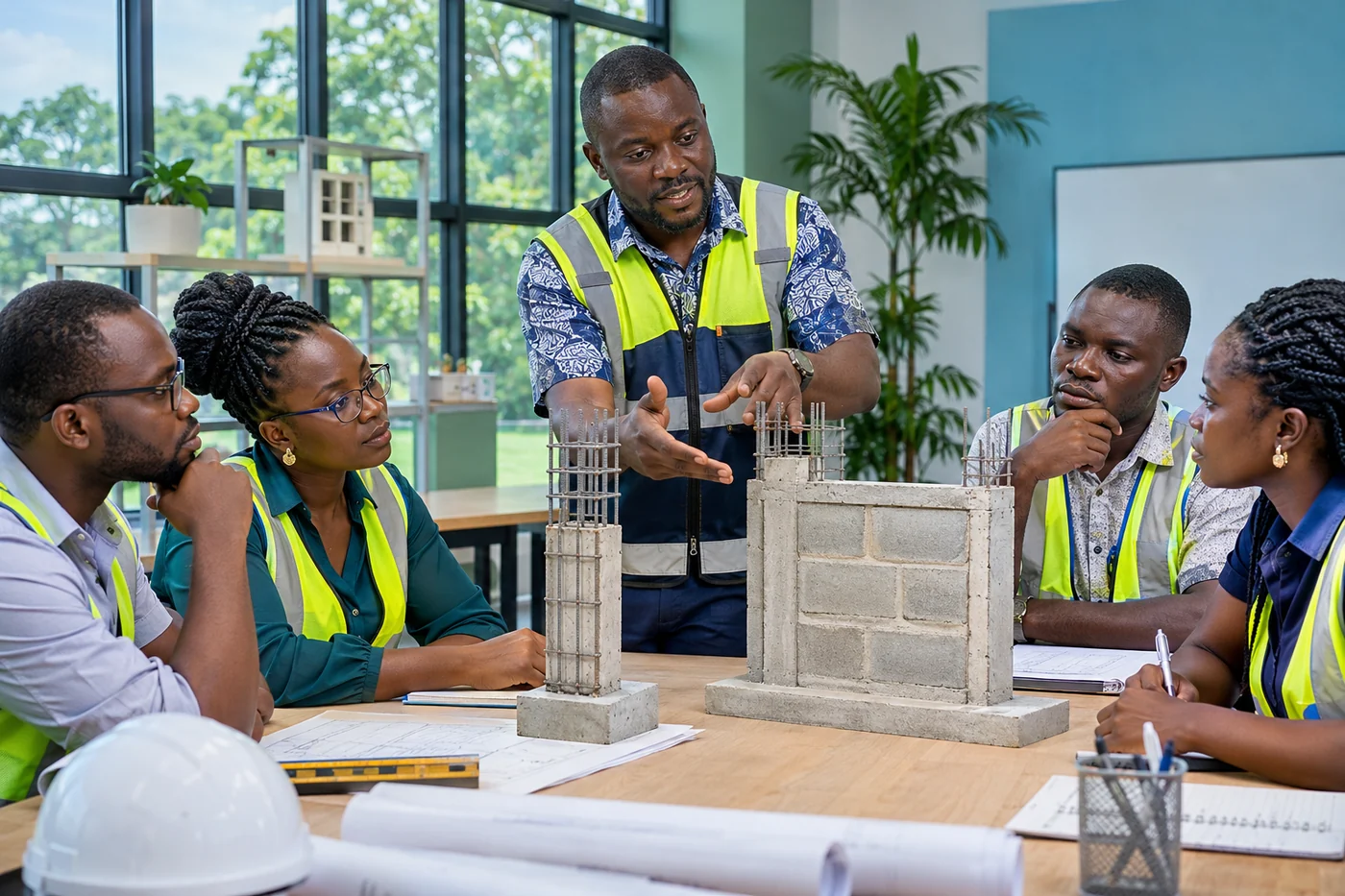
Column and Wall Design
Review column and wall behaviour under axial load and bending, including stability considerations and practical reinforcement detailing.
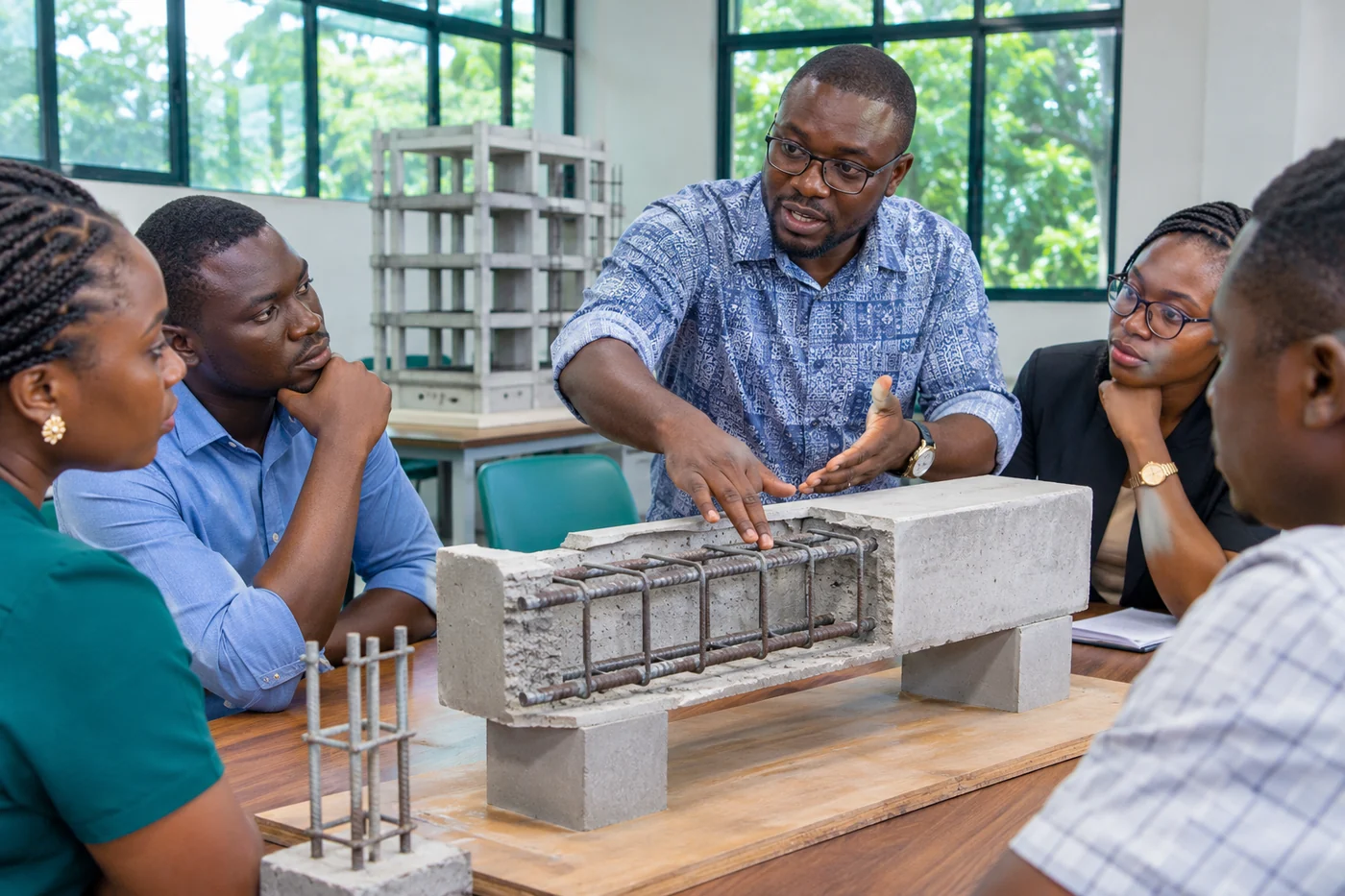
Reinforced-Concrete Design
Develop reinforced-concrete design understanding through worked member checks, serviceability considerations, durability and reinforcement details.

Structural-Steel Design
Explore steel member and connection design, including stability, load transfer and practical fabrication or erection considerations.

Structural Analysis Using the Finite-Element Method
Explain finite-element principles and their application to structural analysis, emphasizing idealization, assumptions and interpretation of calculated results.

Practical Finite-Element Modelling
Build practical finite-element models with appropriate elements, supports, meshes and loading, using independent checks to evaluate model behaviour.

Advanced Nonlinear Structural Analysis
Examine nonlinear structural behaviour, solution controls and interpretation limits through carefully selected modelling examples and verification exercises.
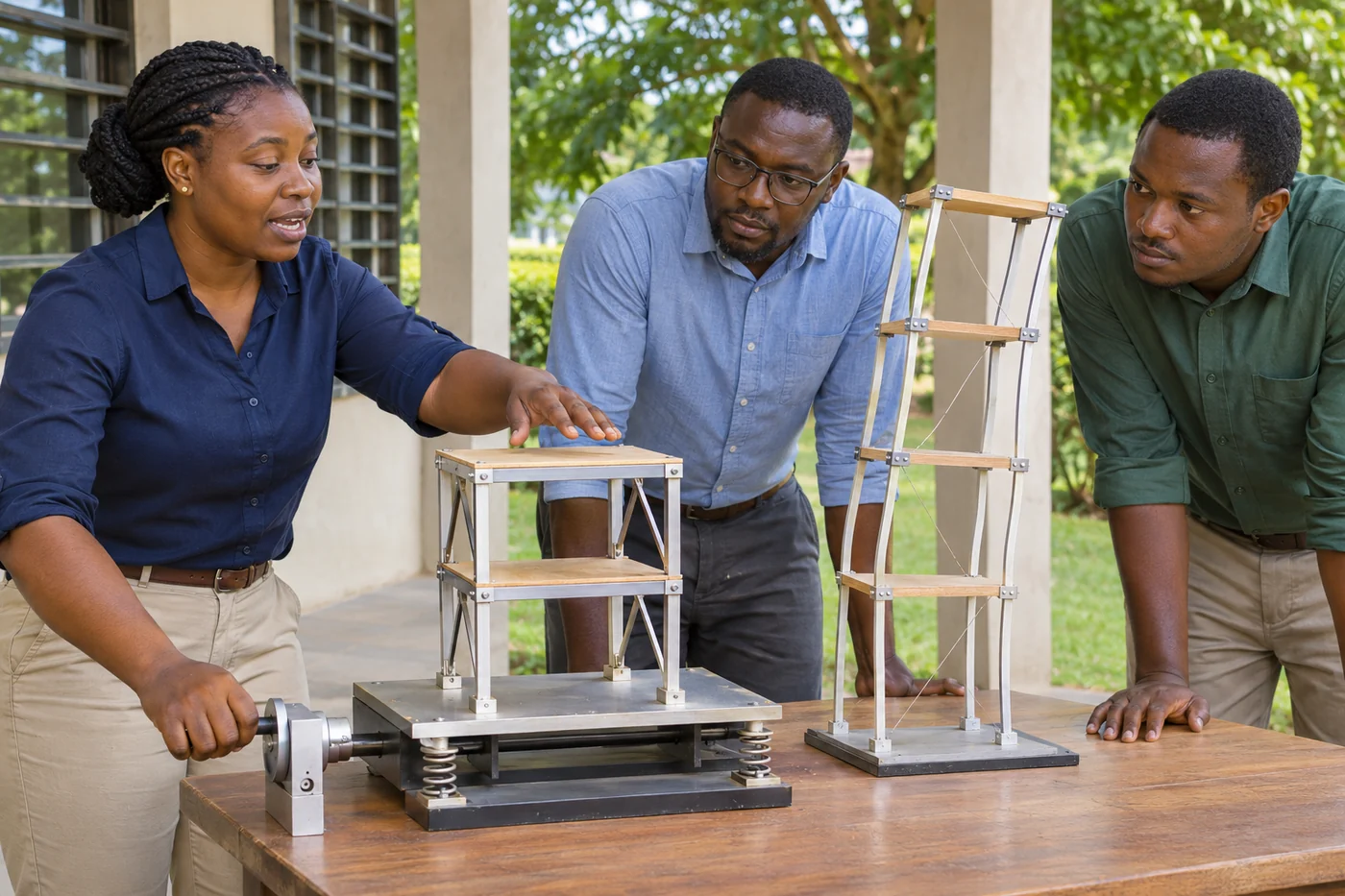
Structural Dynamics and Seismic Analysis
Introduce dynamic and seismic response concepts, modal behaviour and analysis assumptions through practical structural modelling examples.

Structural Modelling Quality Assurance
Develop systematic checks for geometry, connectivity, supports, units, loads and results so modelling errors can be detected before design decisions.
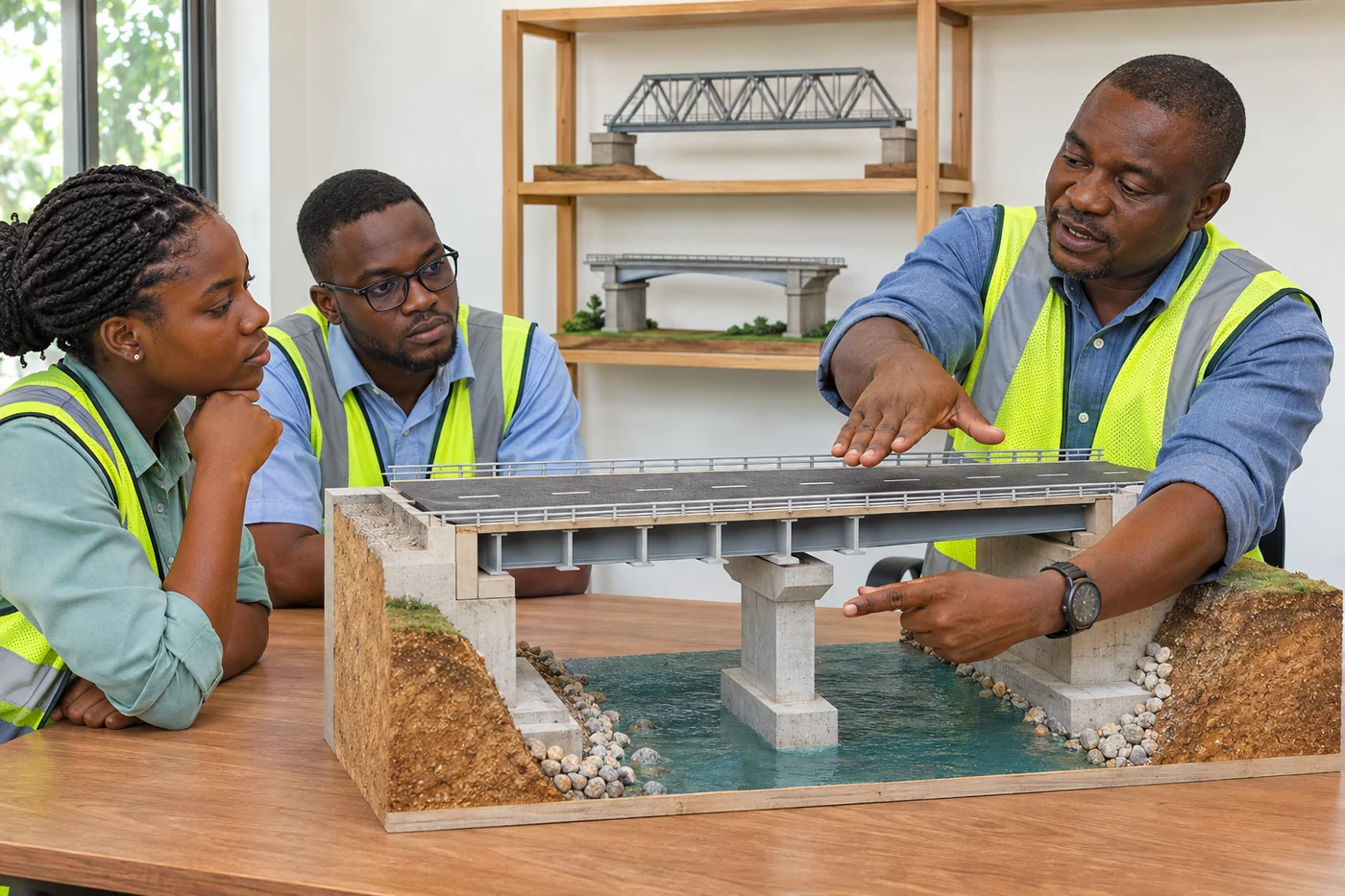
Bridge Engineering Fundamentals
Introduce bridge forms, structural components, loading and construction constraints, linking fundamental behaviour with practical bridge engineering work.
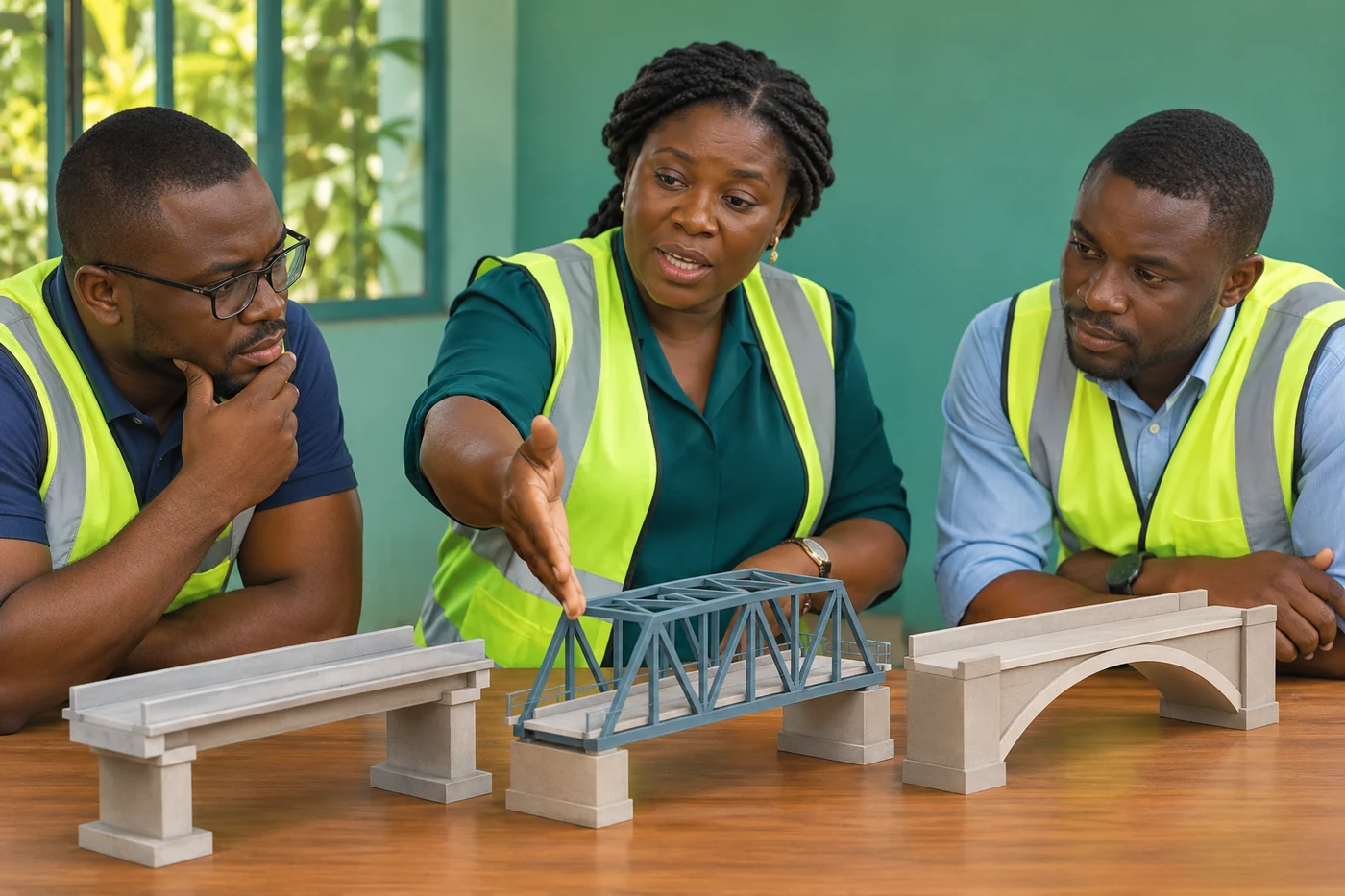
Bridge Planning and Type Selection
Compare bridge planning options and structural types against crossing requirements, site constraints, constructability and maintenance considerations.
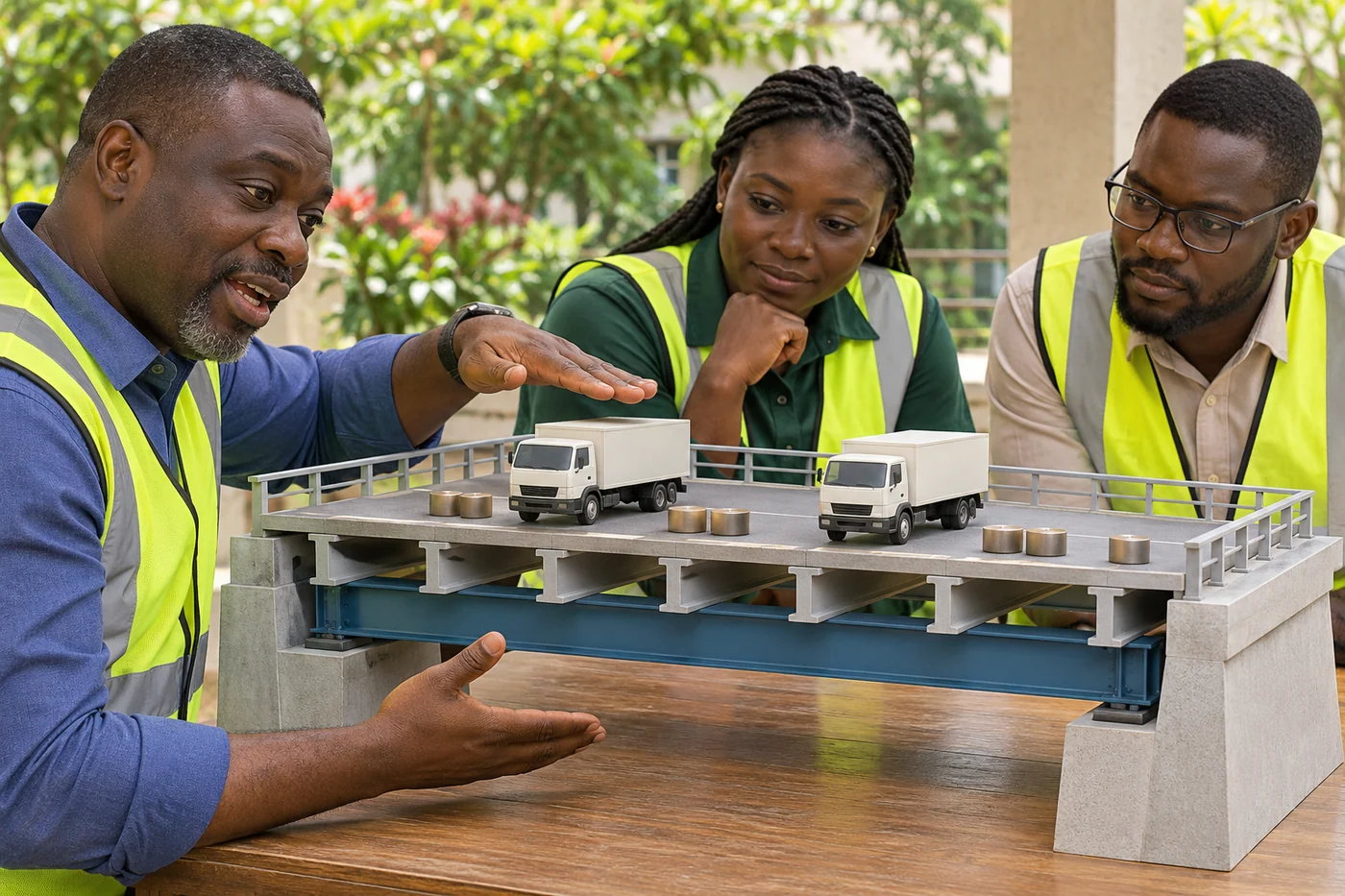
Bridge Loading and Load Distribution
Work through bridge loading and distribution principles, connecting traffic actions and structural idealization with governing component responses.
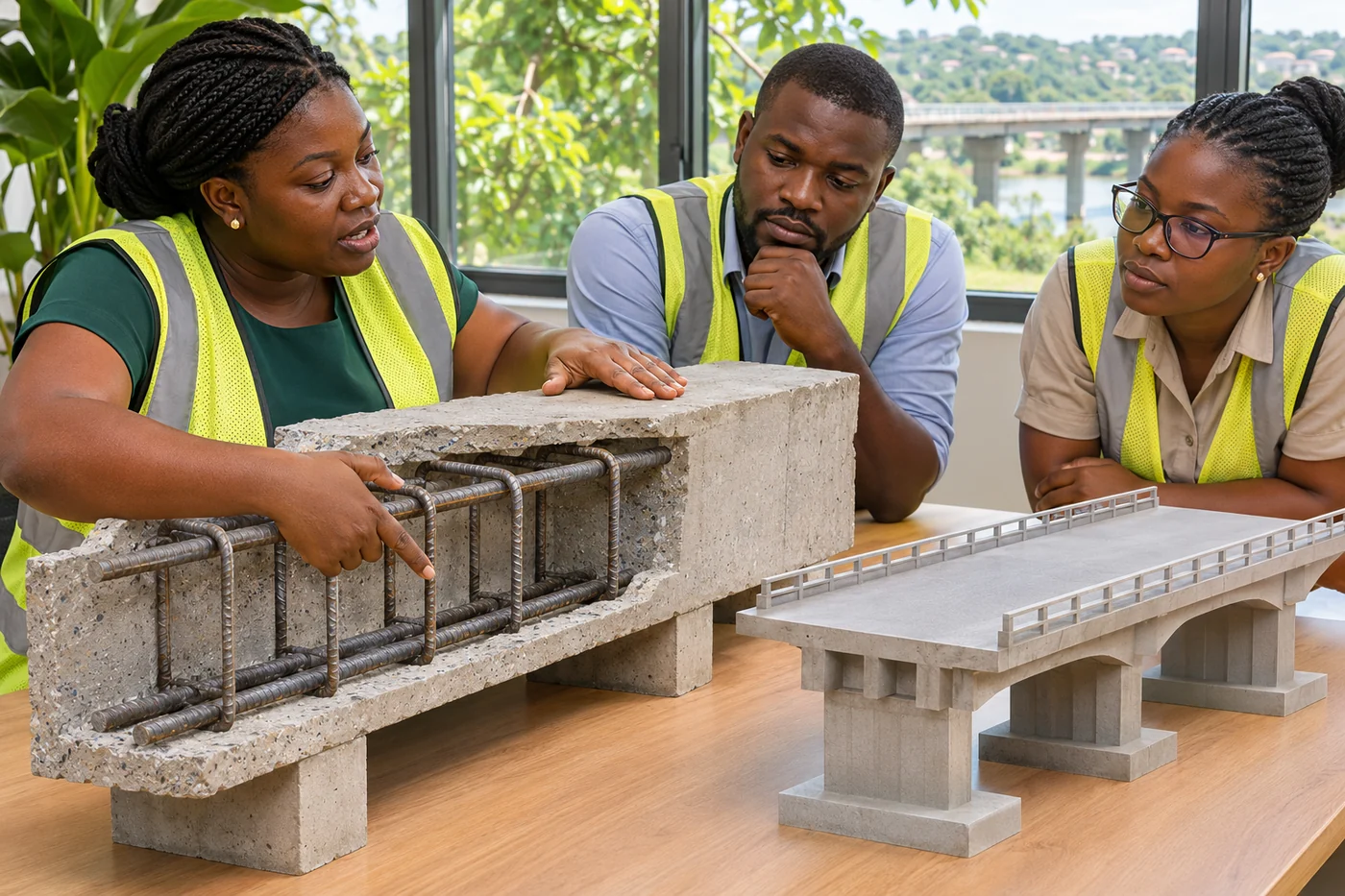
Reinforced-Concrete Bridge Design
Develop reinforced-concrete bridge design checks and detailing through representative deck, support and member examples.
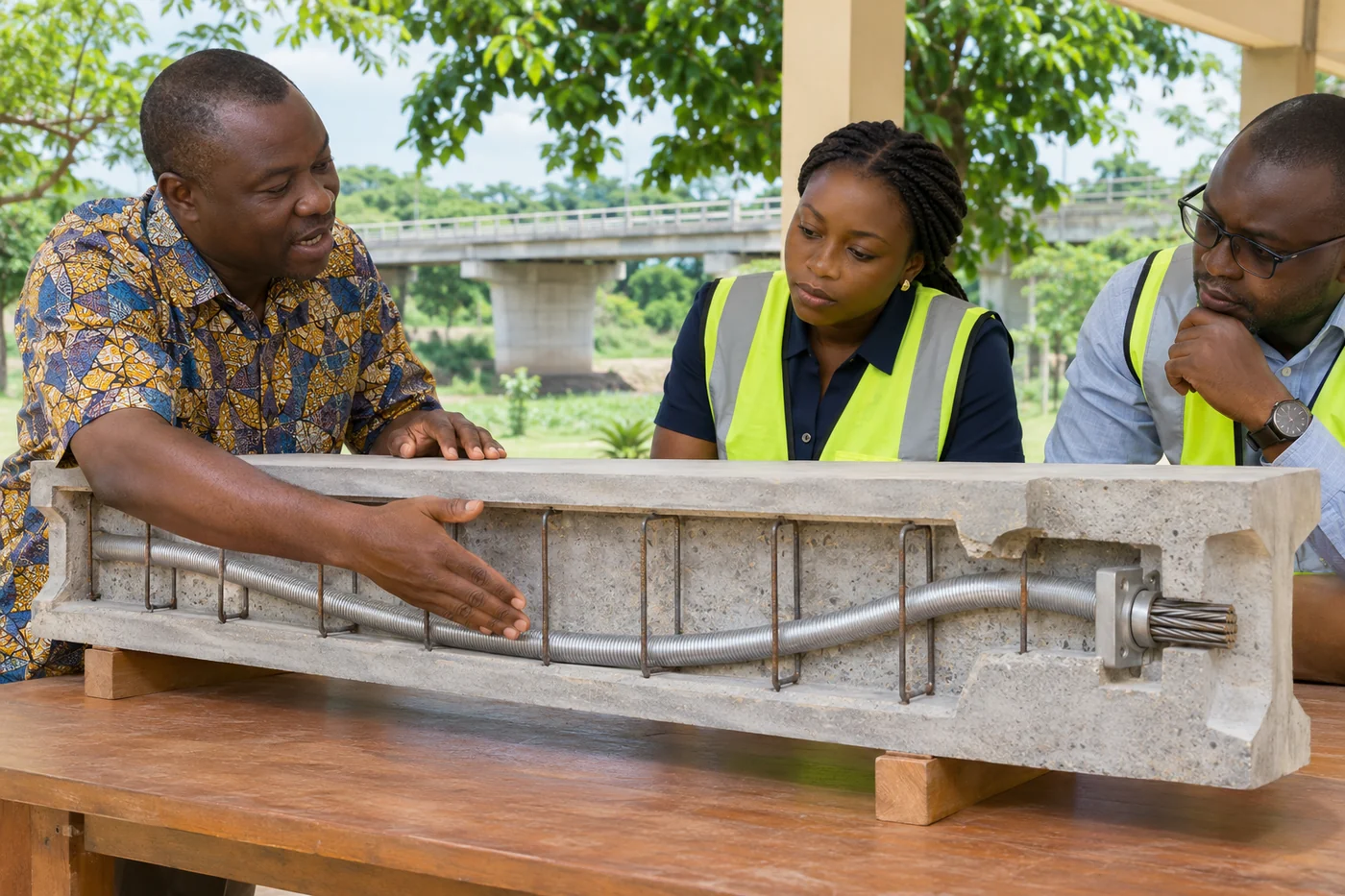
Prestressed-Concrete Bridge Design
Study prestressed-concrete bridge behaviour, losses, staged actions and serviceability through worked design and detailing exercises.
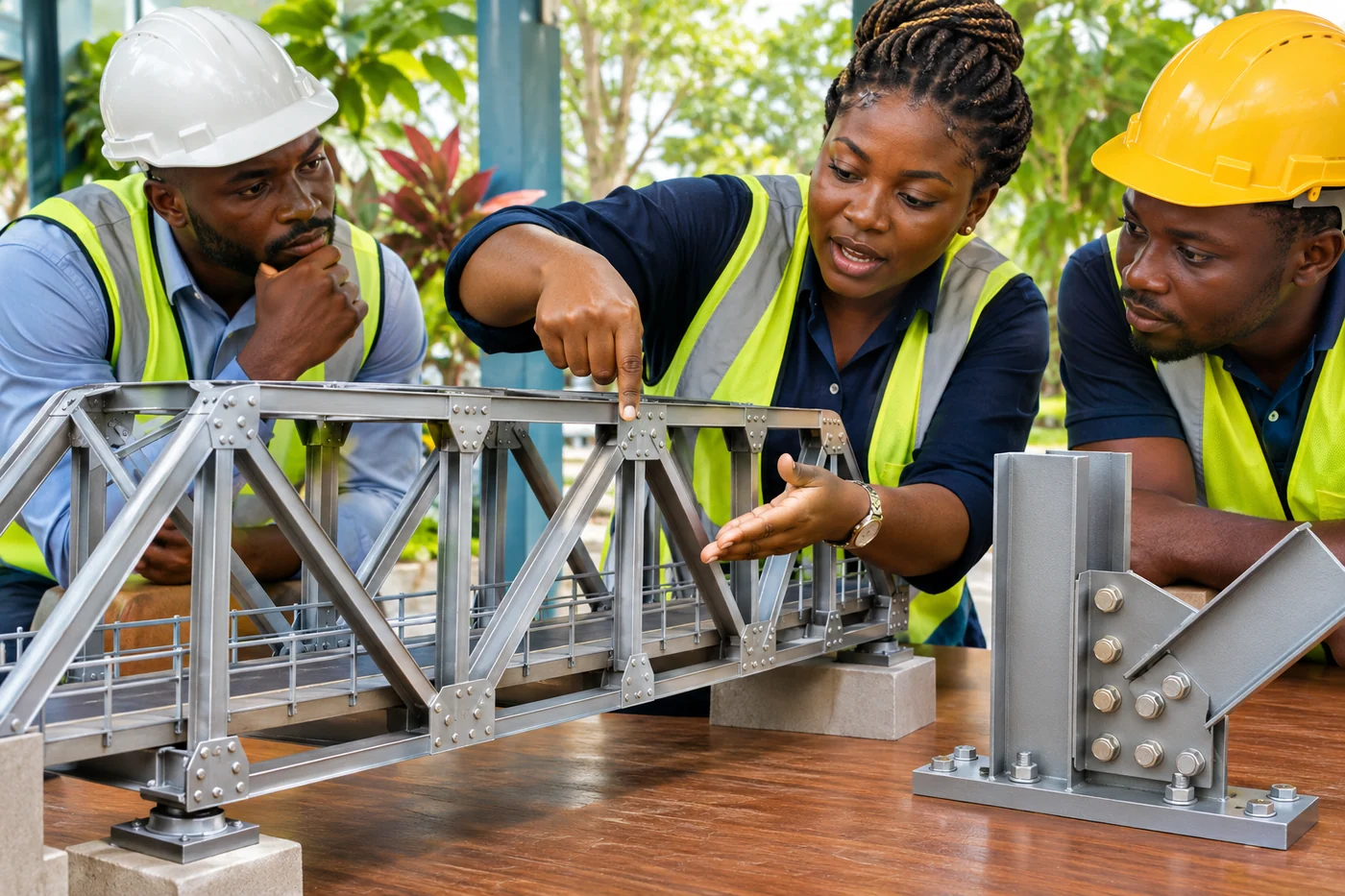
Steel Bridge Design
Examine steel bridge load paths, stability, fatigue considerations and connection detailing using representative bridge components.
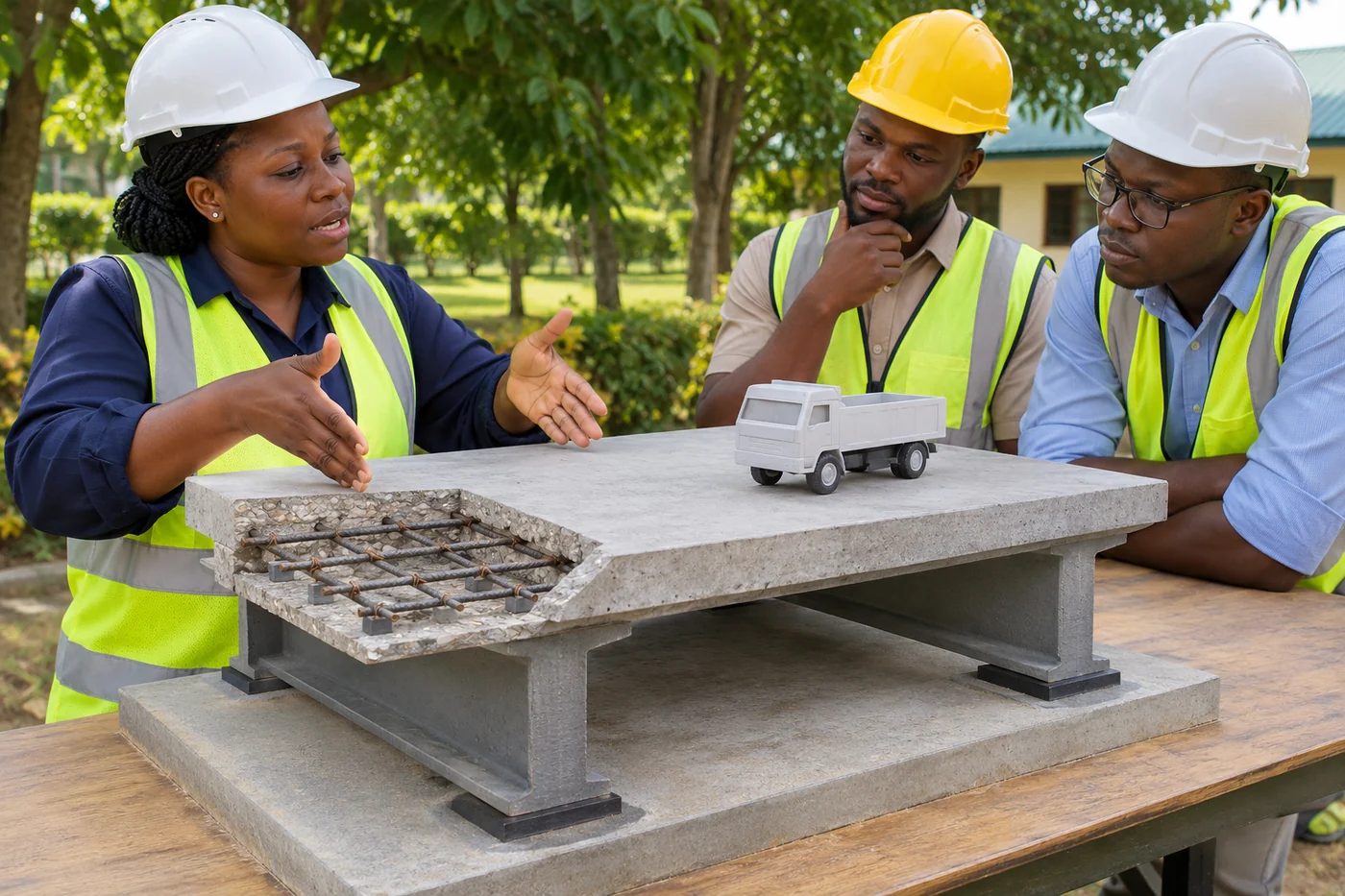
Bridge Deck-Slab Design
Develop bridge deck-slab analysis and reinforcement detailing, considering wheel loads, distribution and support conditions.
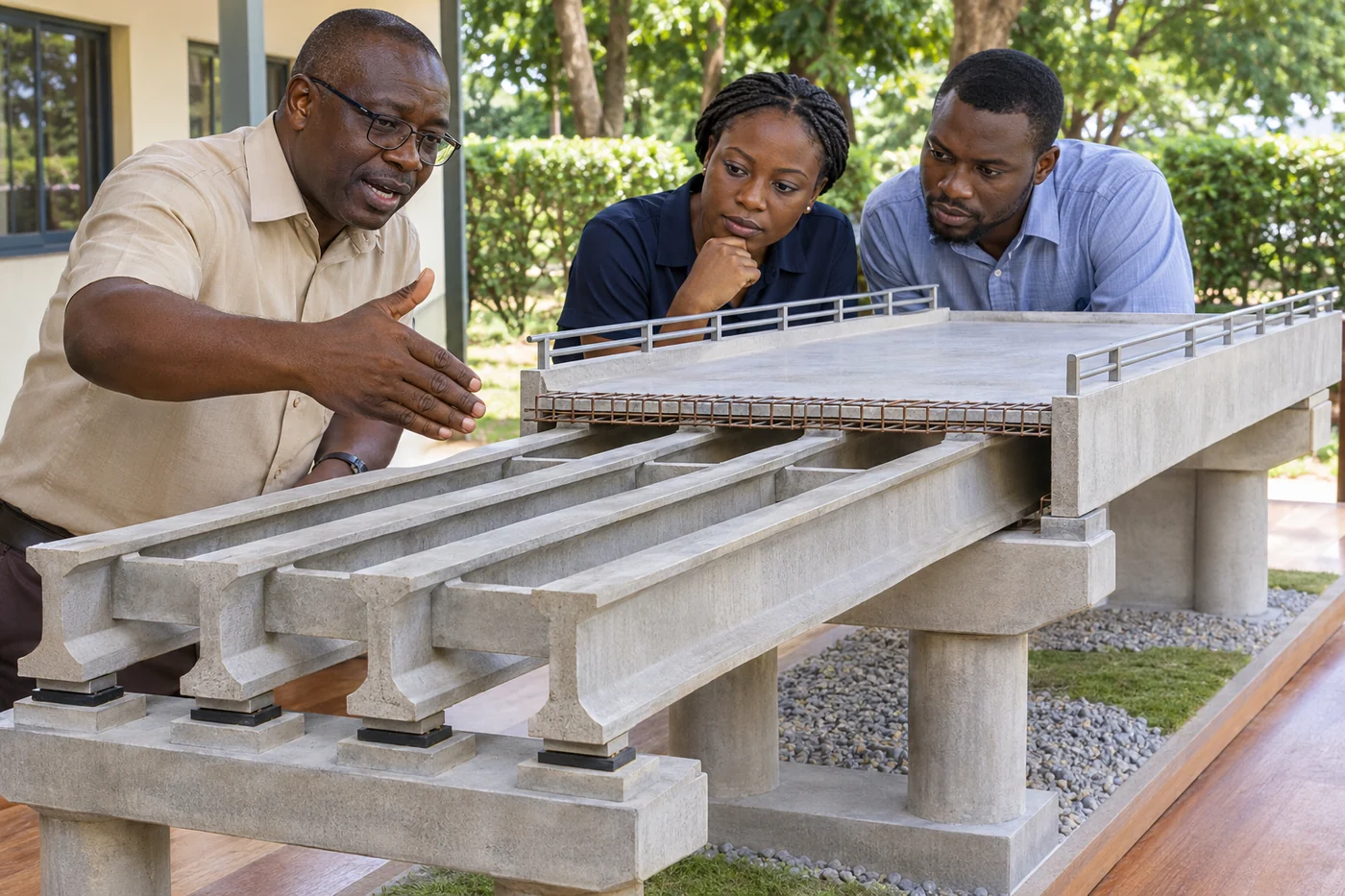
Bridge Superstructure Design
Study bridge superstructure arrangements, load distribution, member behaviour and construction-stage considerations through practical examples.
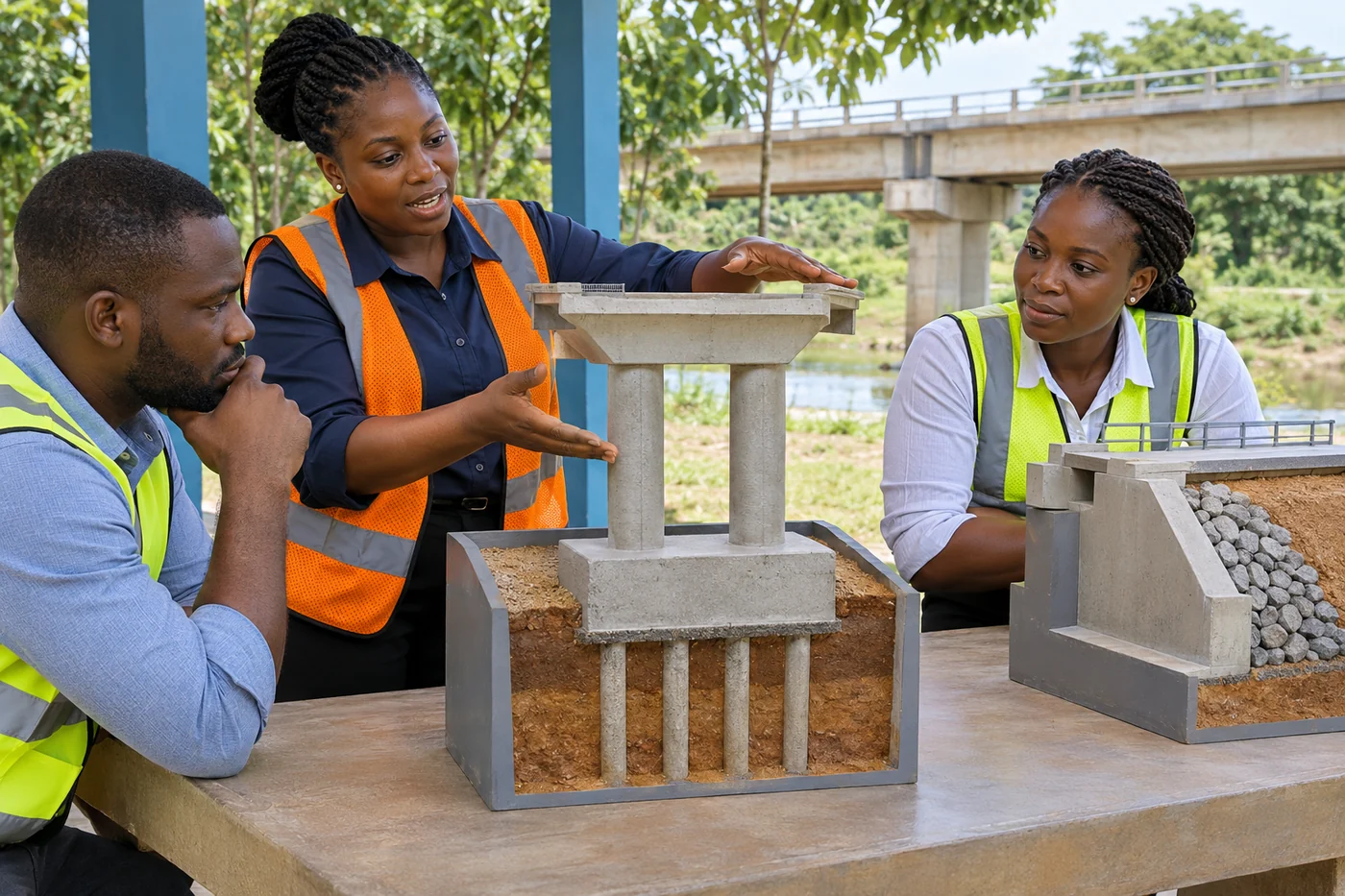
Bridge Substructure Design
Work through bridge pier and abutment design concepts, coordinating transmitted actions, structural detailing and foundation interfaces.
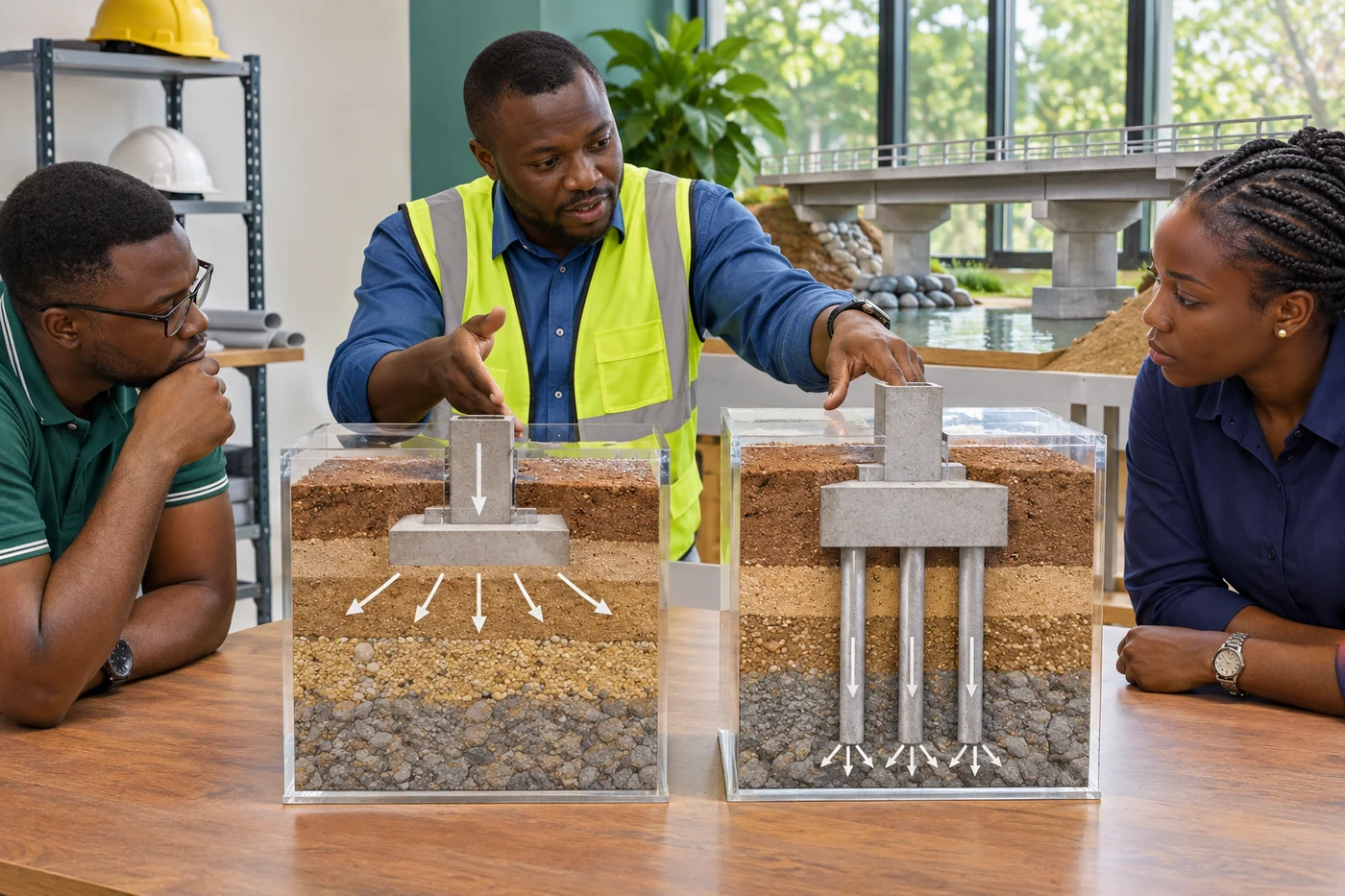
Bridge Foundation Design
Assess bridge foundation choices and design principles using ground information, loading, settlement and construction constraints.
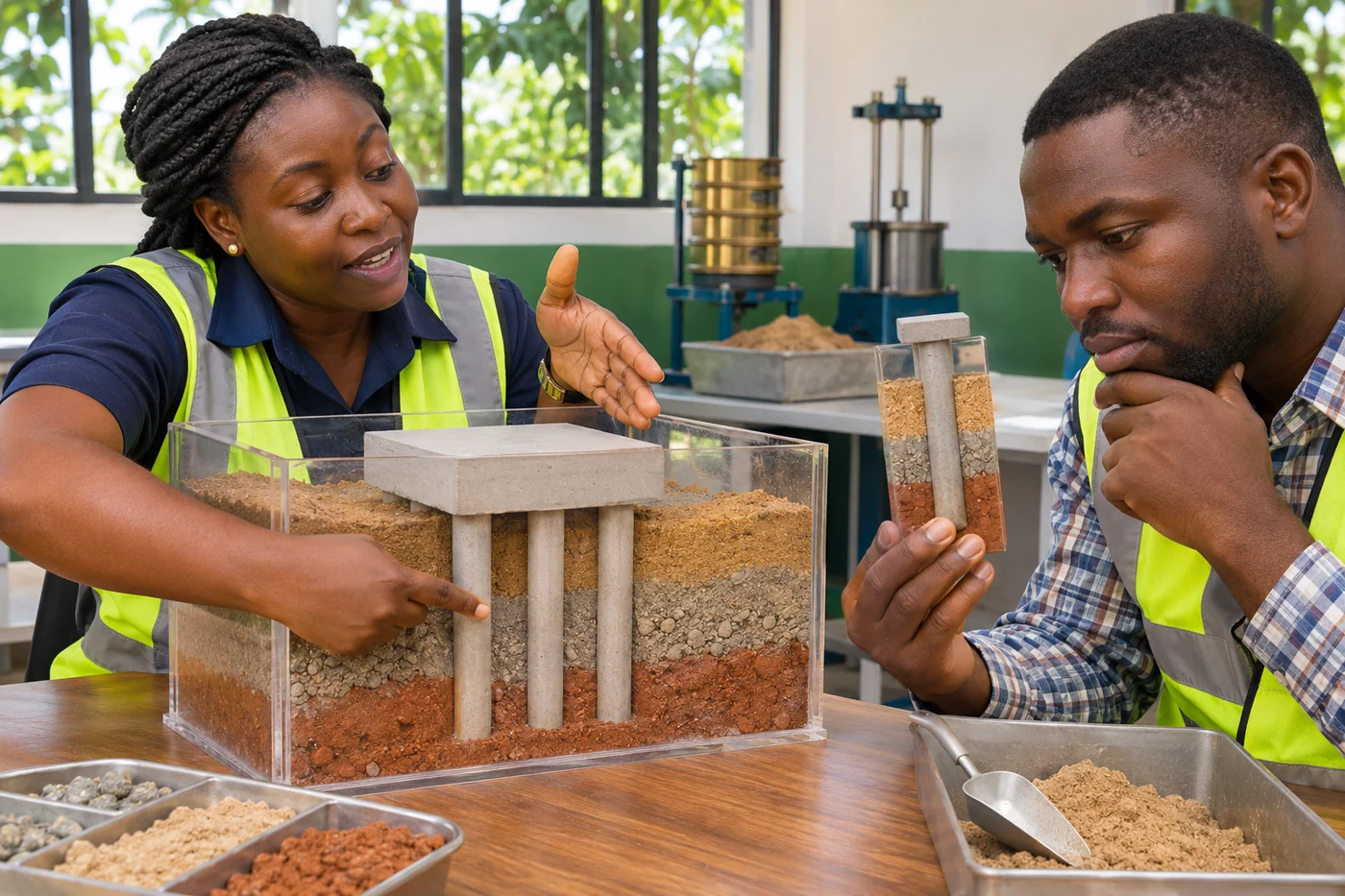
Pile Foundation Analysis and Design
Develop pile foundation analysis and design skills, including load transfer, group behaviour, structural checks and interpretation of investigation data.
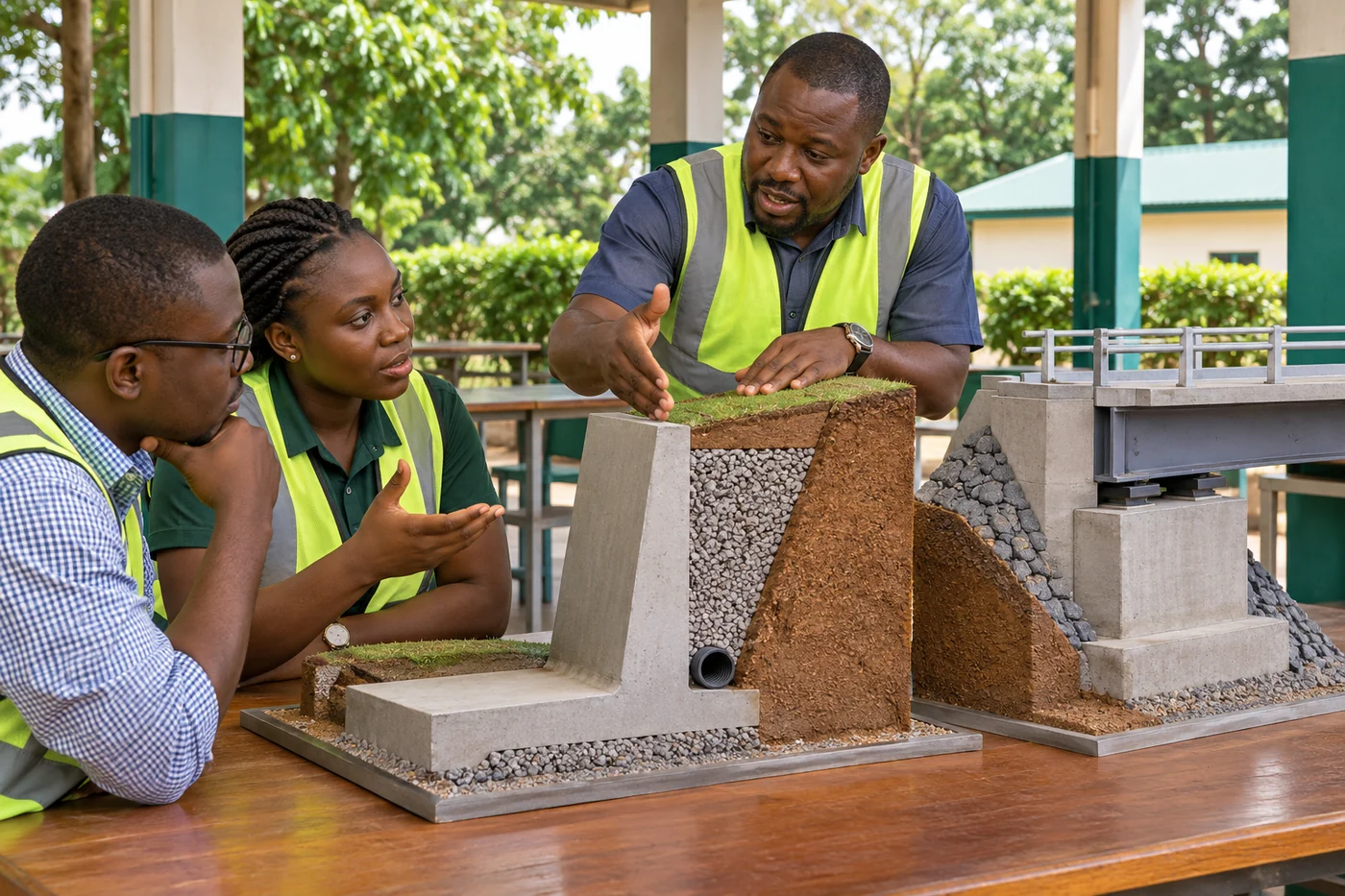
Bridge Abutment and Retaining-Wall Design
Work through abutment and retaining-wall stability, structural design and drainage considerations, relating calculations to buildable details.
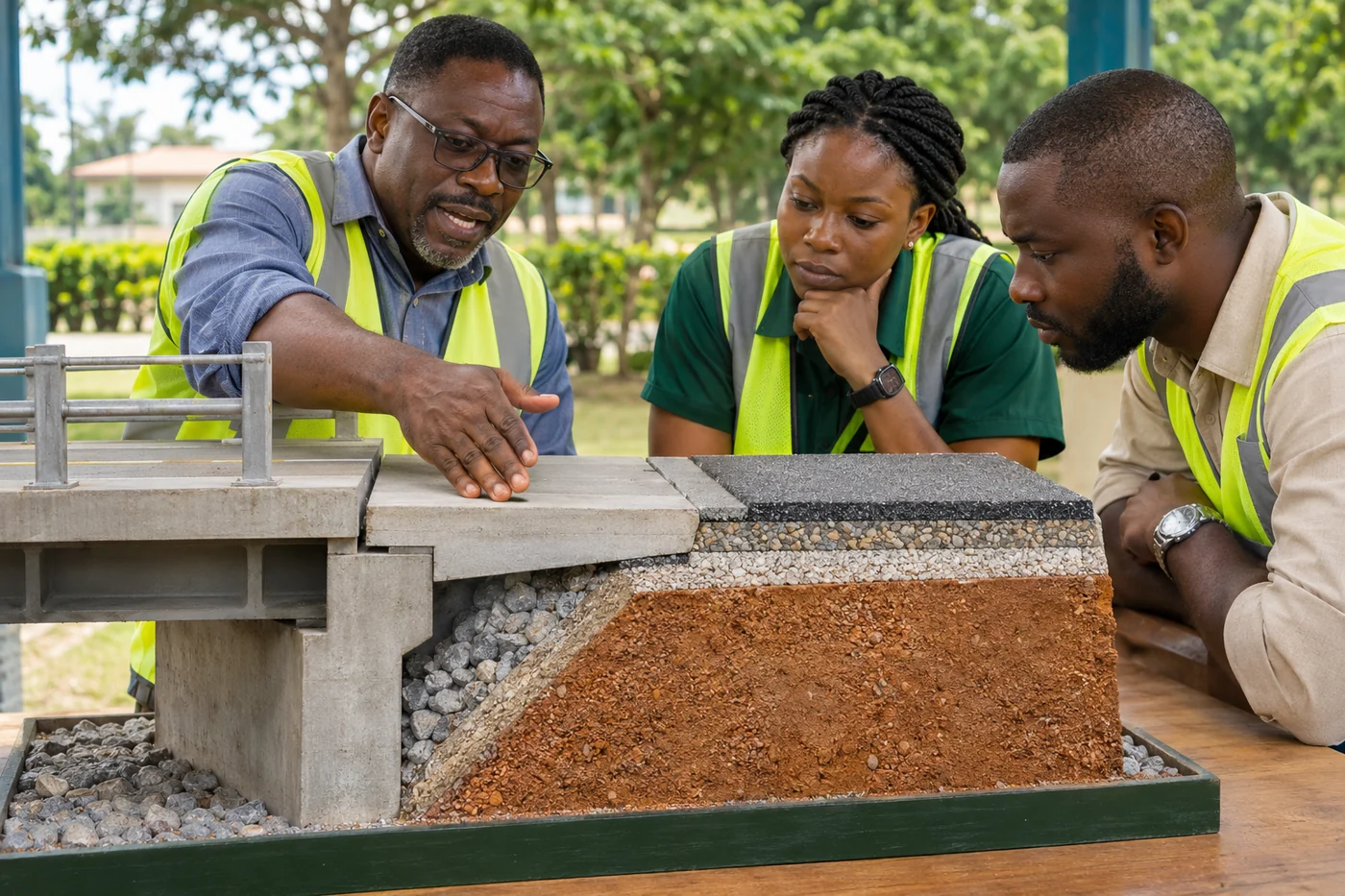
Bridge Approach-Slab Design
Study approach-slab behaviour and detailing, considering transition support, settlement, movement and road drainage interfaces.
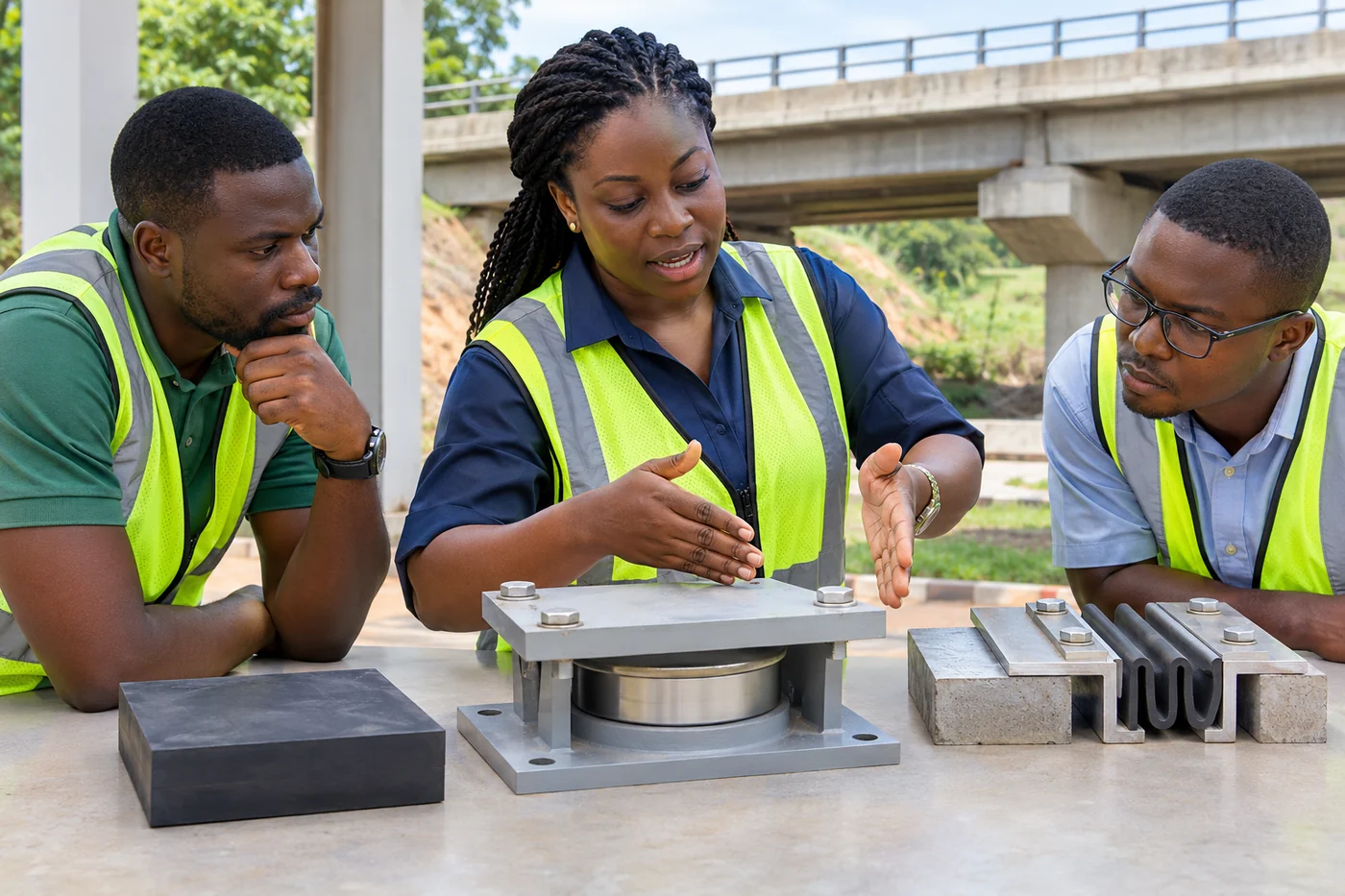
Bridge Bearings and Expansion Joints
Explain bridge bearing and joint functions, movement assessment, selection, installation tolerances and inspection requirements.
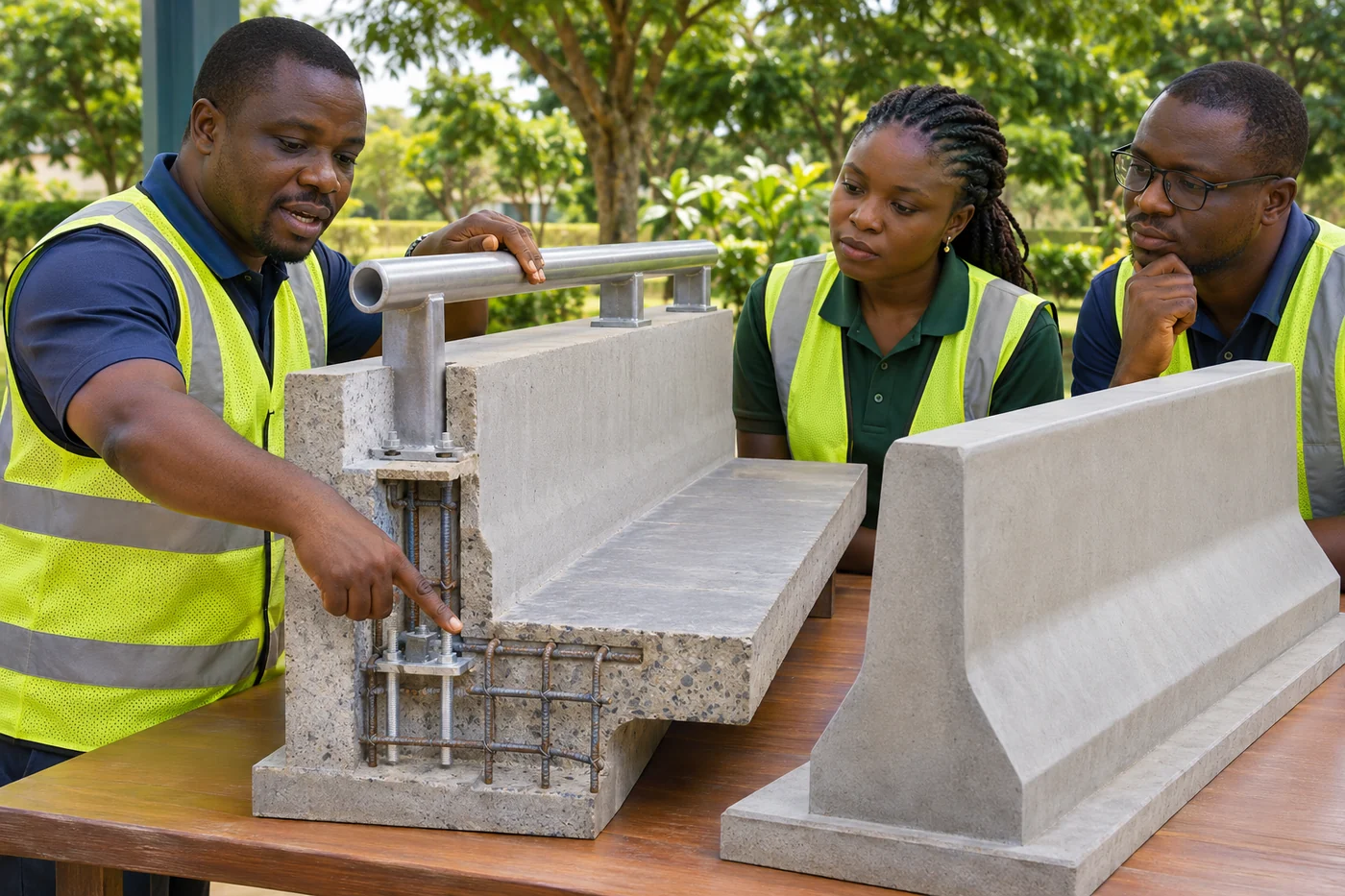
Bridge Parapet and Barrier Design
Review bridge parapet and barrier design considerations, load transfer, anchorage interfaces and coordination with deck-edge details.

Bridge Drainage and Waterproofing
Study deck drainage and waterproofing arrangements, focusing on water paths, interfaces, durability and inspection of critical details.
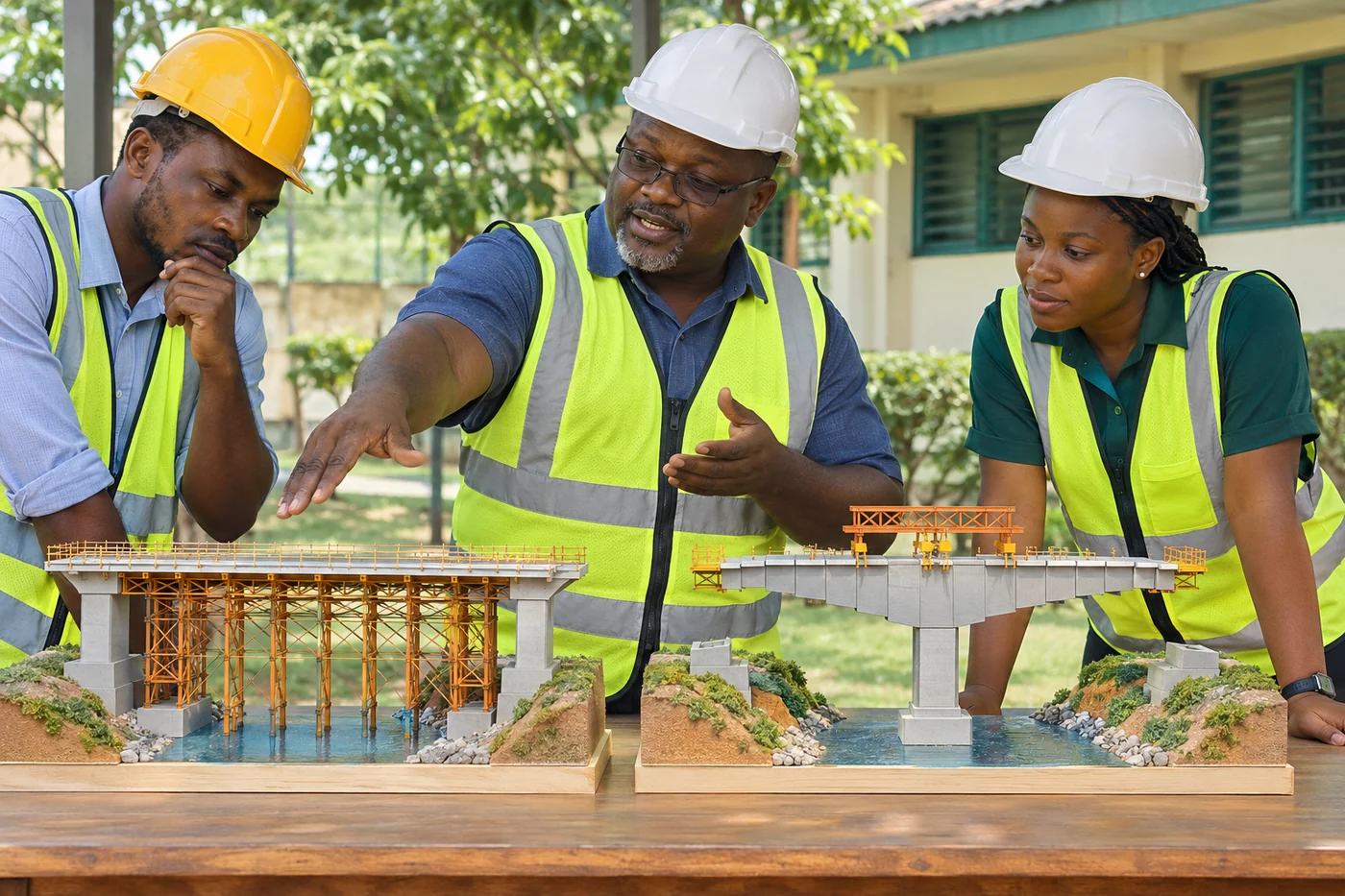
Bridge Construction Methods
Compare bridge construction methods and sequences, considering access, temporary stability, equipment and quality-control requirements.
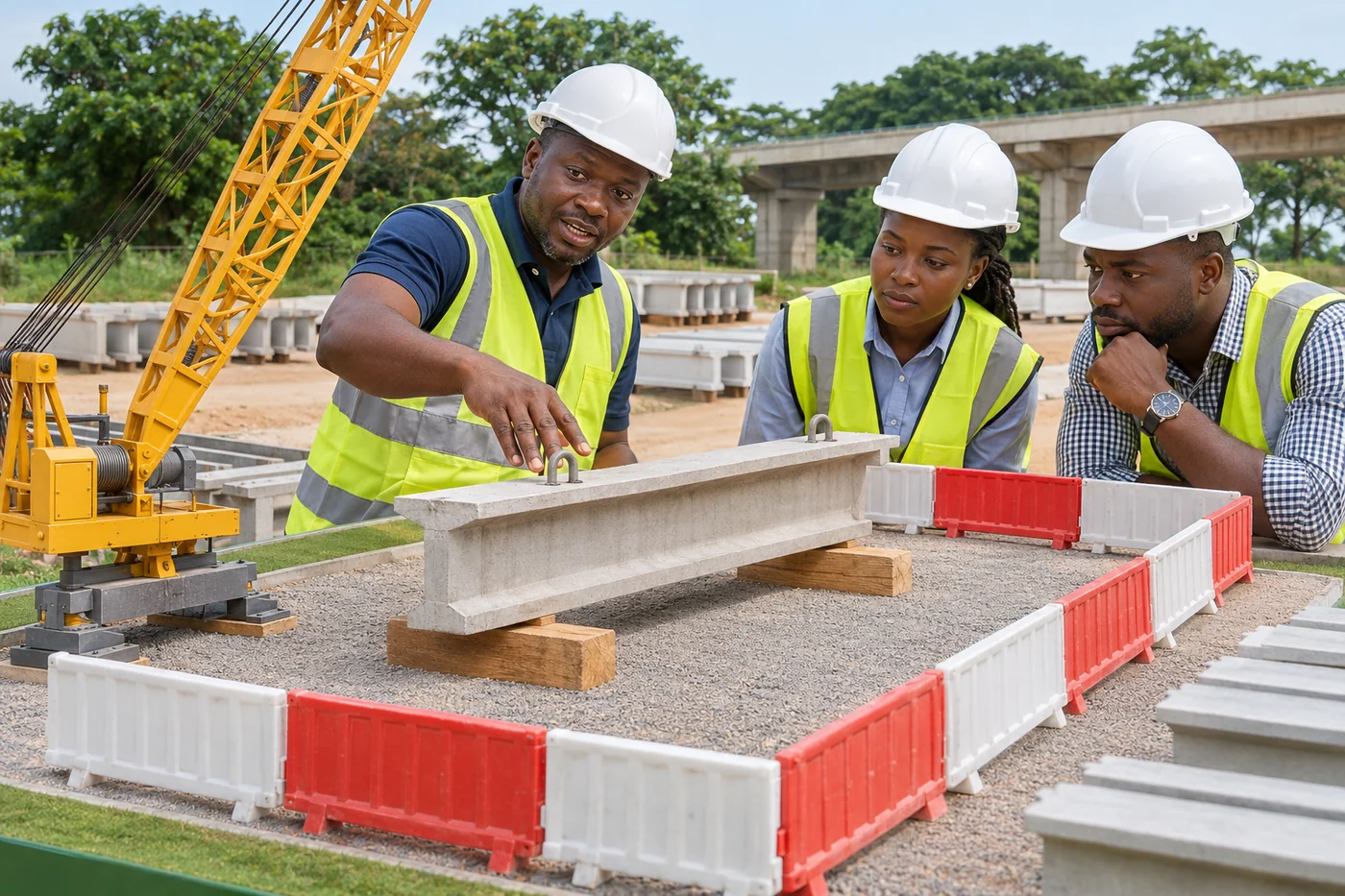
Prestressed-Girder Fabrication and Erection
Review girder fabrication, prestressing, handling, storage and erection through practical examples of hold points and temporary conditions.
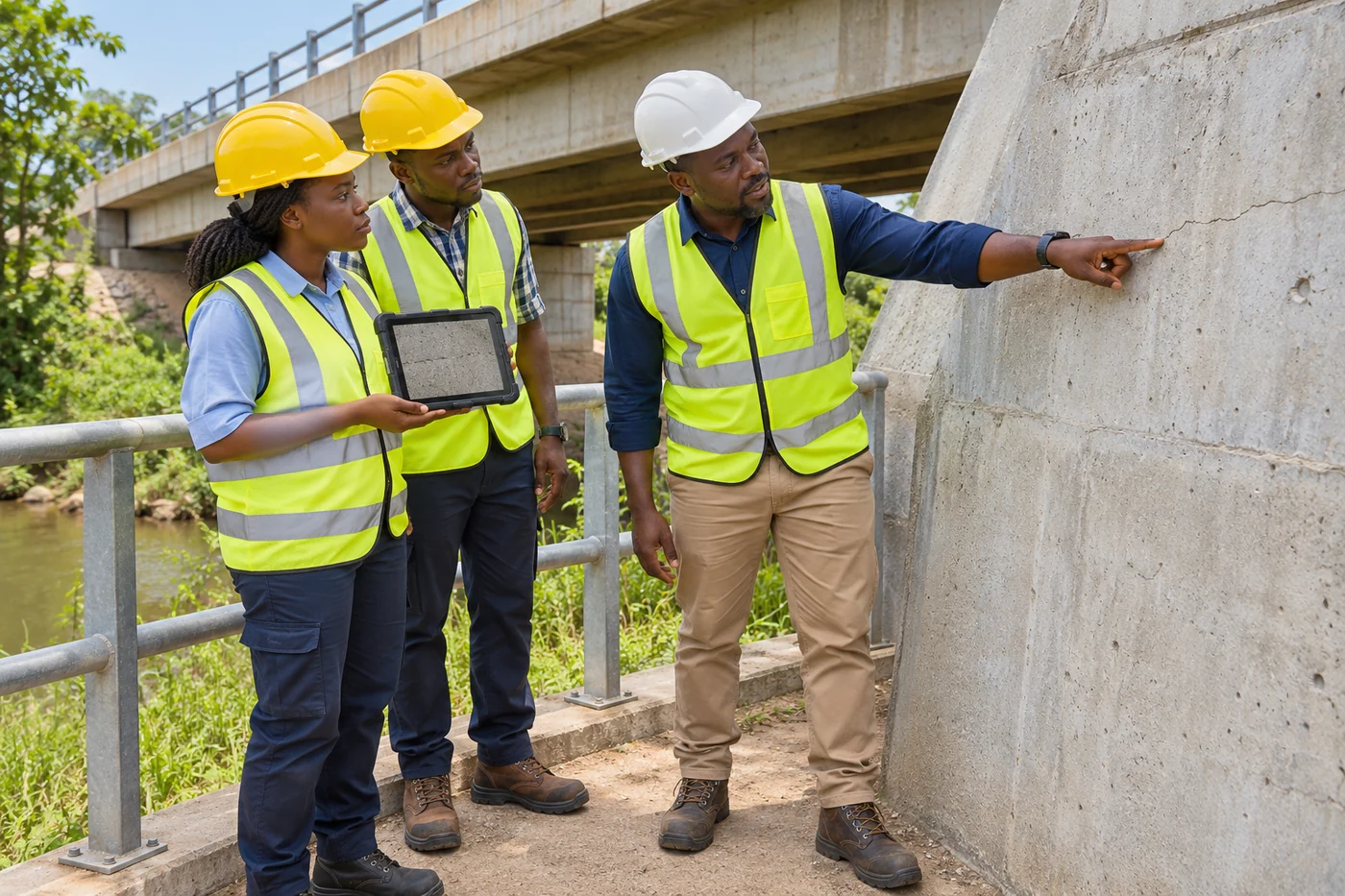
Bridge Inspection and Condition Assessment
Practice systematic bridge inspection, defect recording and condition assessment, including access limitations and proportionate recommendations.
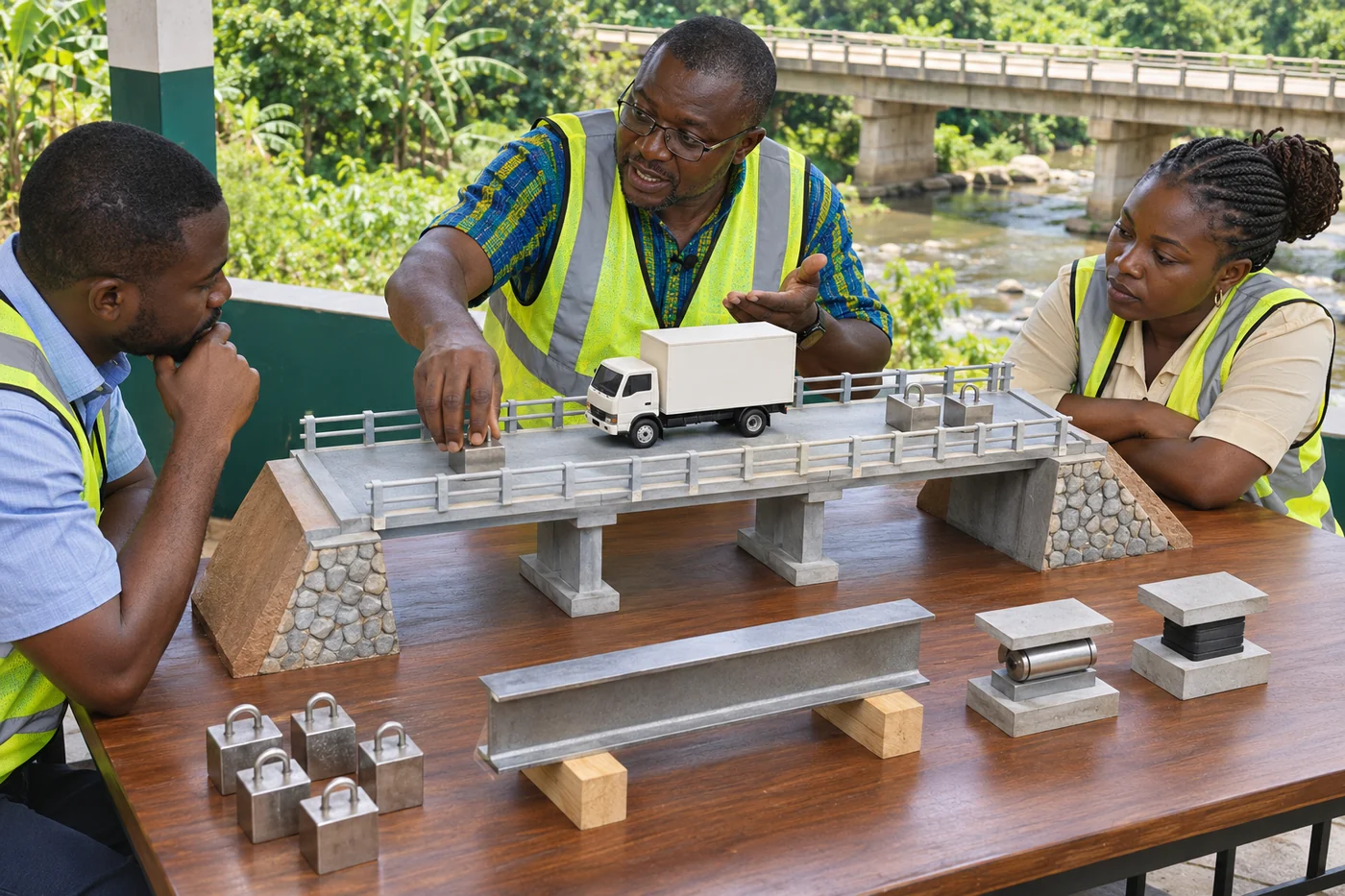
Bridge Load Rating and Capacity Assessment
Work through bridge capacity and load-rating assessments, documenting information quality, condition assumptions and governing structural checks.
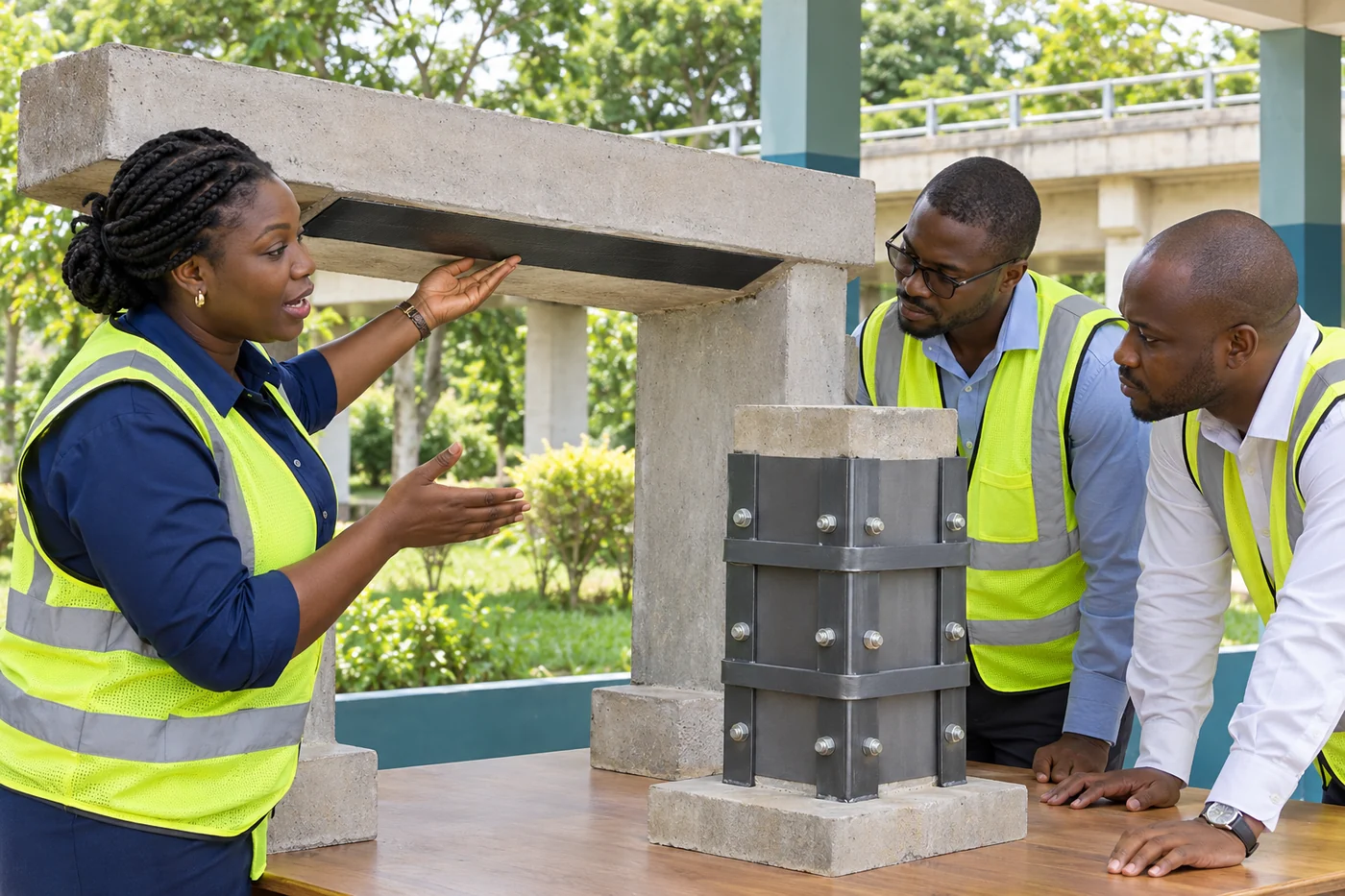
Bridge Rehabilitation and Strengthening
Review bridge rehabilitation and strengthening methods, relating assessment findings to design choices, interfaces and construction constraints.

Bridge Durability and Lifecycle Management
Examine bridge deterioration, inspection planning and maintenance decisions with attention to durability details and whole-life performance.
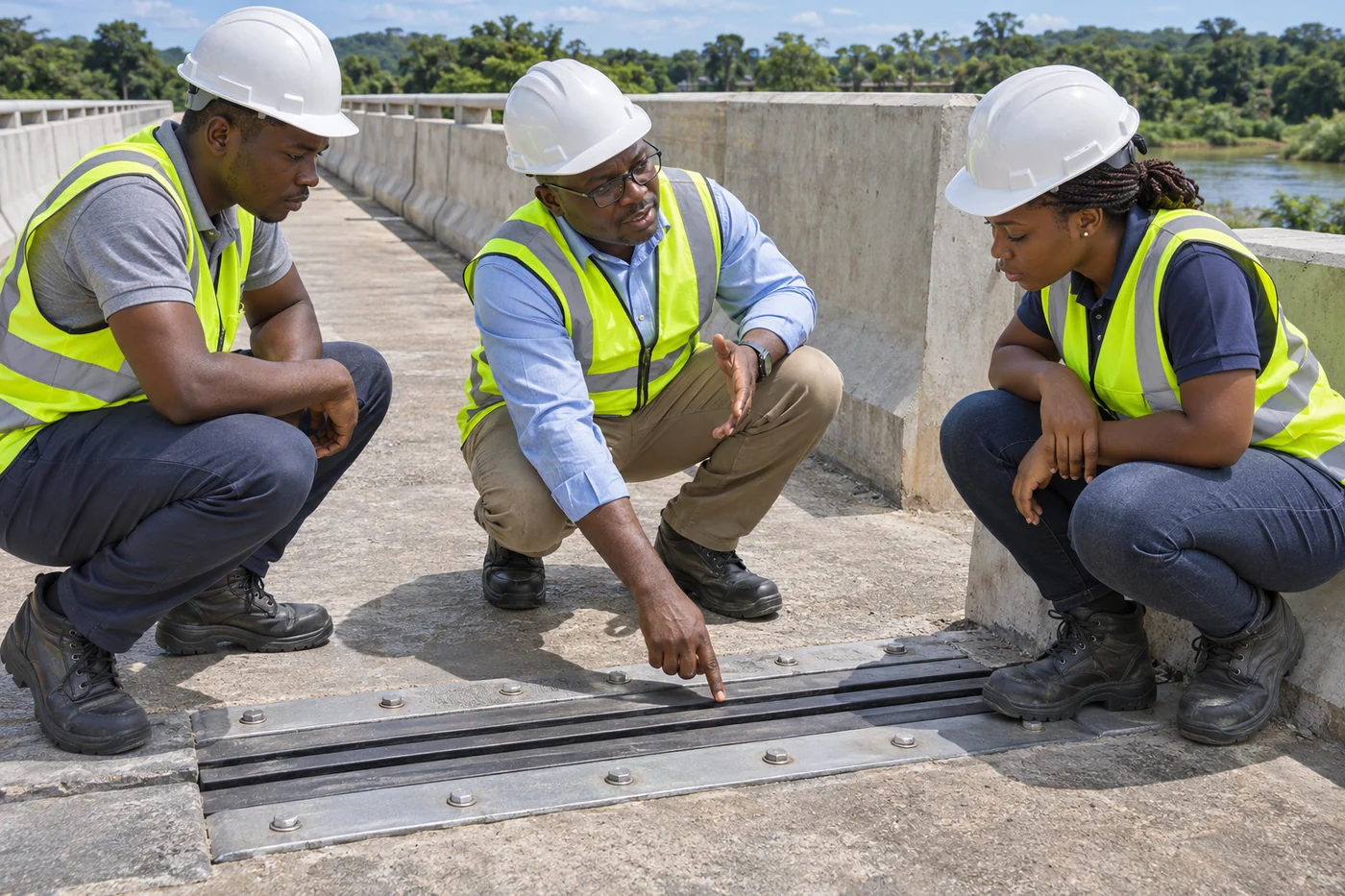
Construction Supervision for Roads and Bridges
Develop practical road and bridge supervision skills through inspection planning, quality records, hold points and evidence-based reporting.
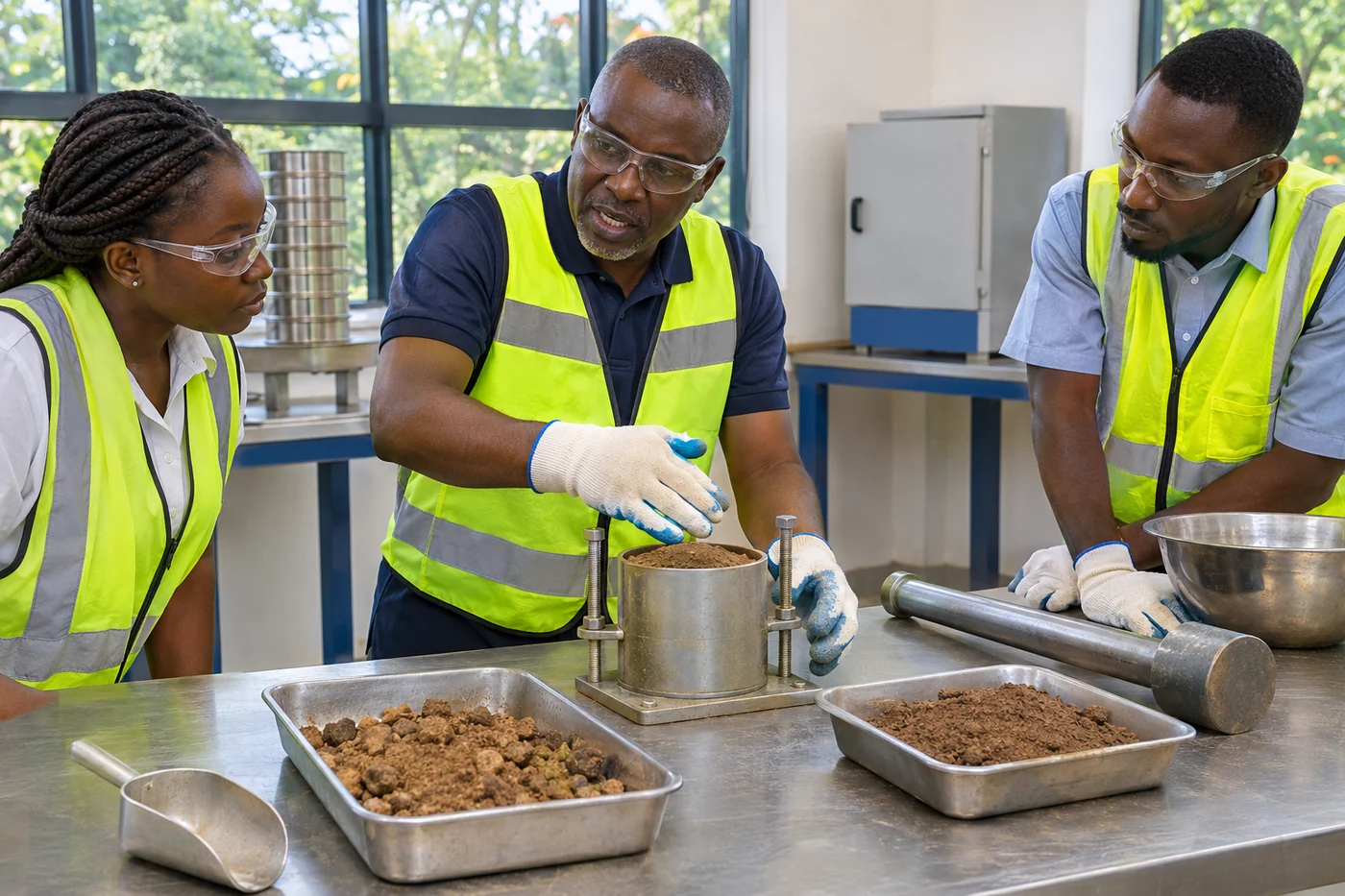
Highway Earthworks and Compaction Control
Study earthwork material suitability, moisture control, layer placement and compaction testing, connecting test results with site acceptance decisions.
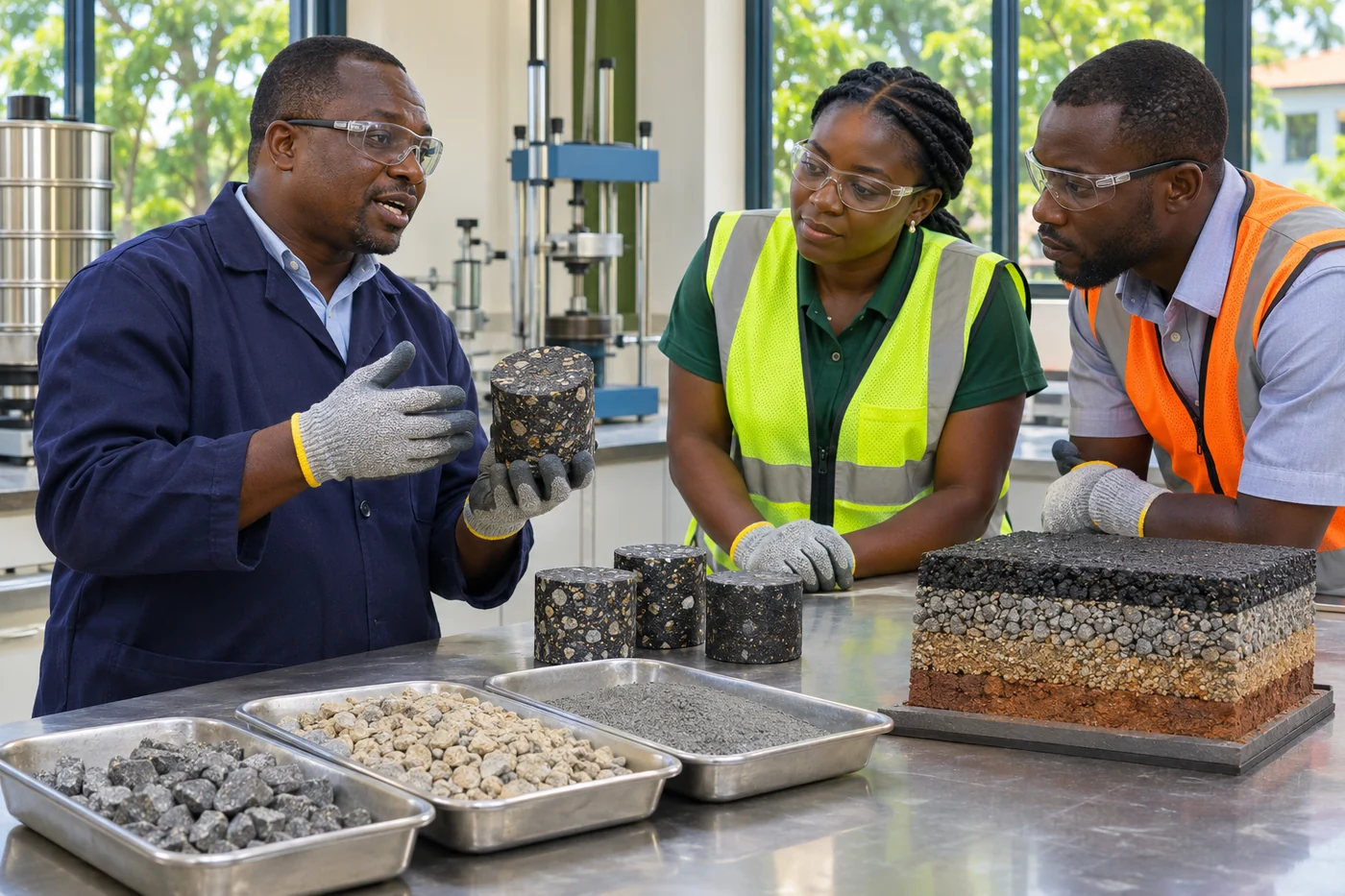
Asphalt Materials, Production and Paving
Examine asphalt materials, plant production, delivery, paving and compaction controls, using practical examples of quality evidence and defects.

Concrete Technology and Quality Control
Review concrete materials, mix behaviour, placement, curing and testing, interpreting quality-control results alongside construction observations.

Construction Materials Testing and Interpretation
Practice interpreting construction material test results, considering sampling, test limitations, specification requirements and traceability.
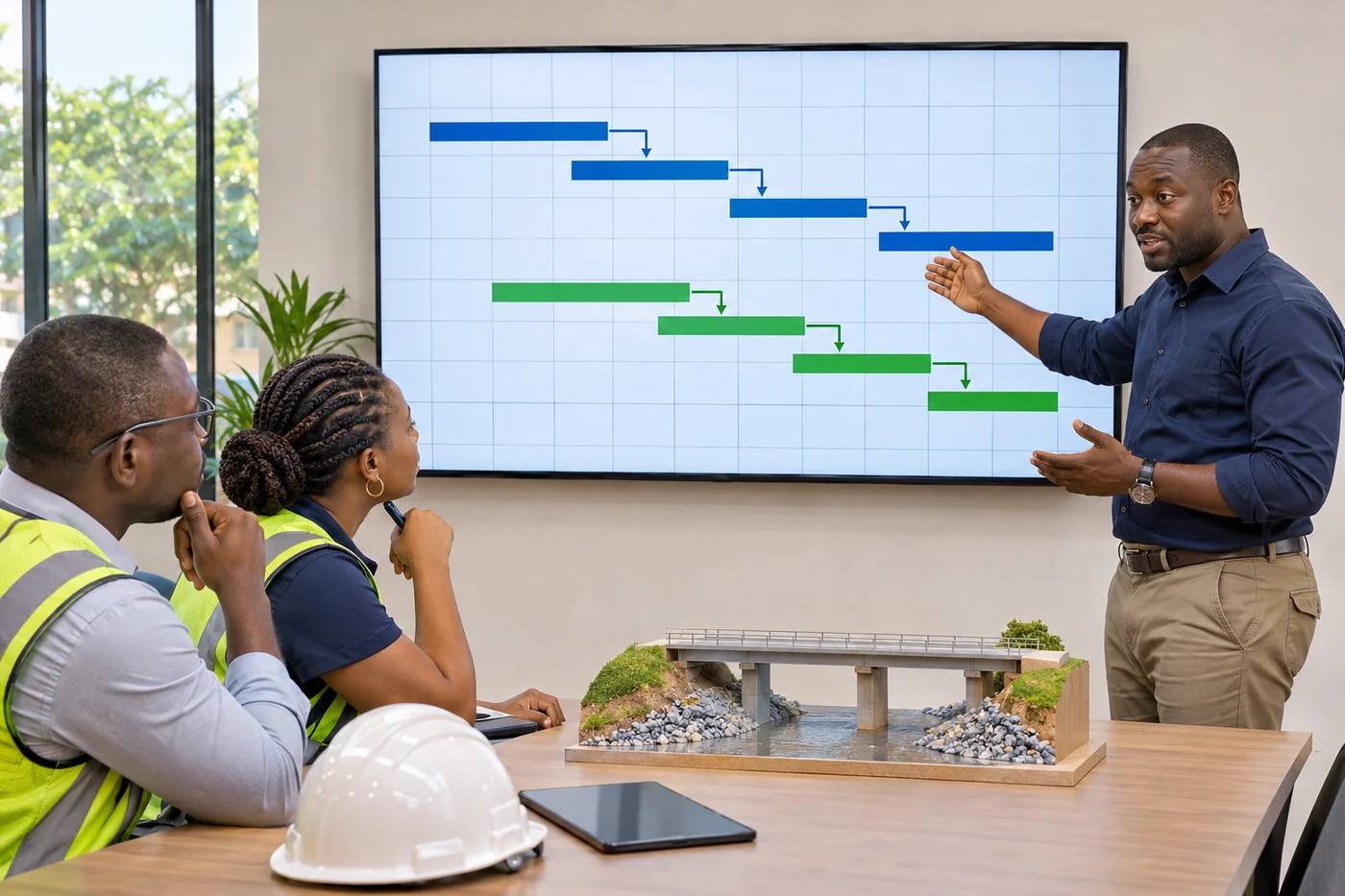
Construction Programme and Delay Analysis
Develop programme-review and delay-analysis skills using logic, baselines, progress records and transparent assessment assumptions.
Measurement, Valuation and Payment Certification
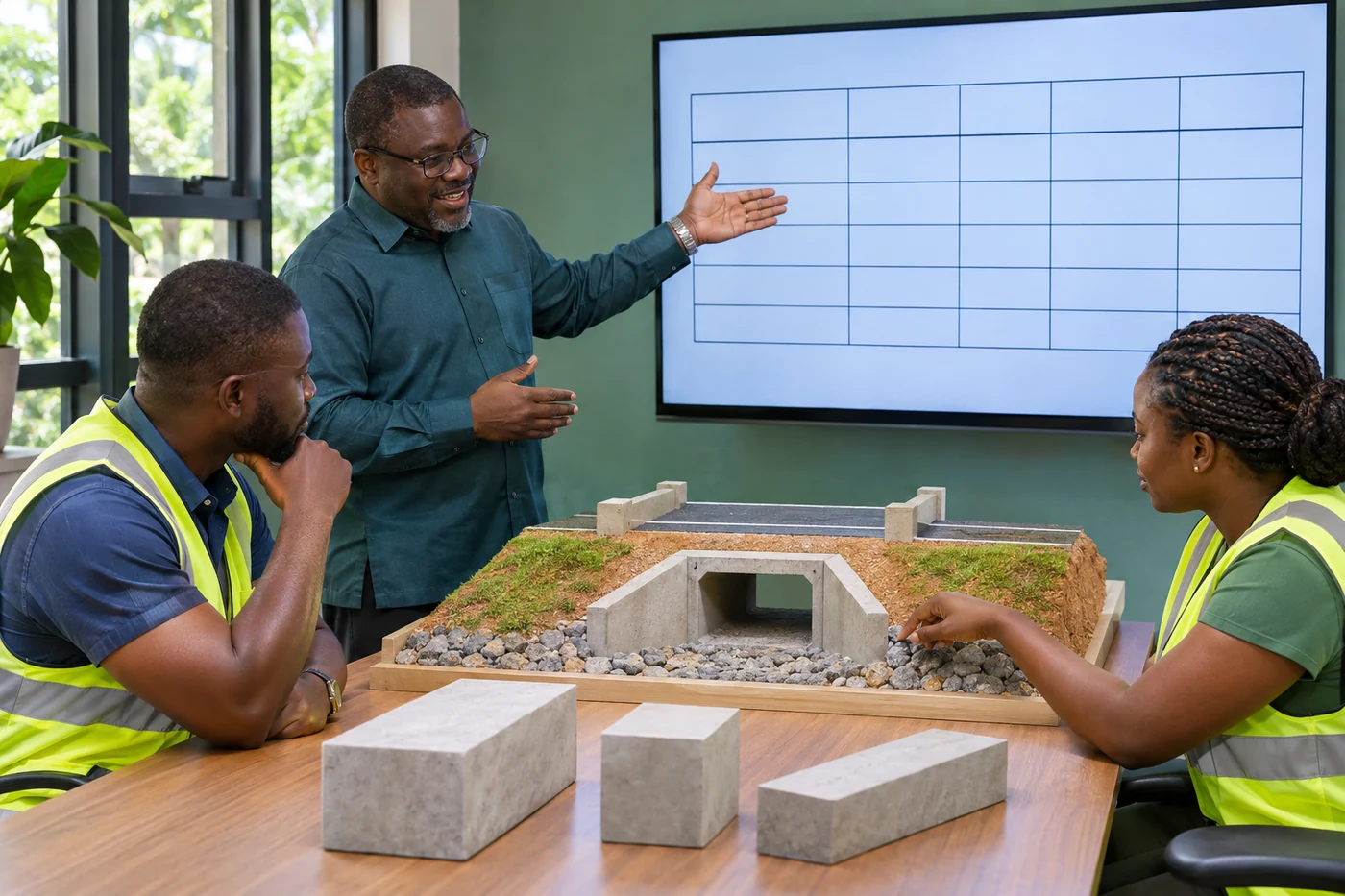
Work through measurement, valuation and certification examples, applying contractual rules and organizing evidence for payment assessments.

Contract Administration for Engineers
Review engineers' contract-administration responsibilities through practical correspondence, records, instructions and assessment scenarios.
Temporary Works and Formwork Design Review
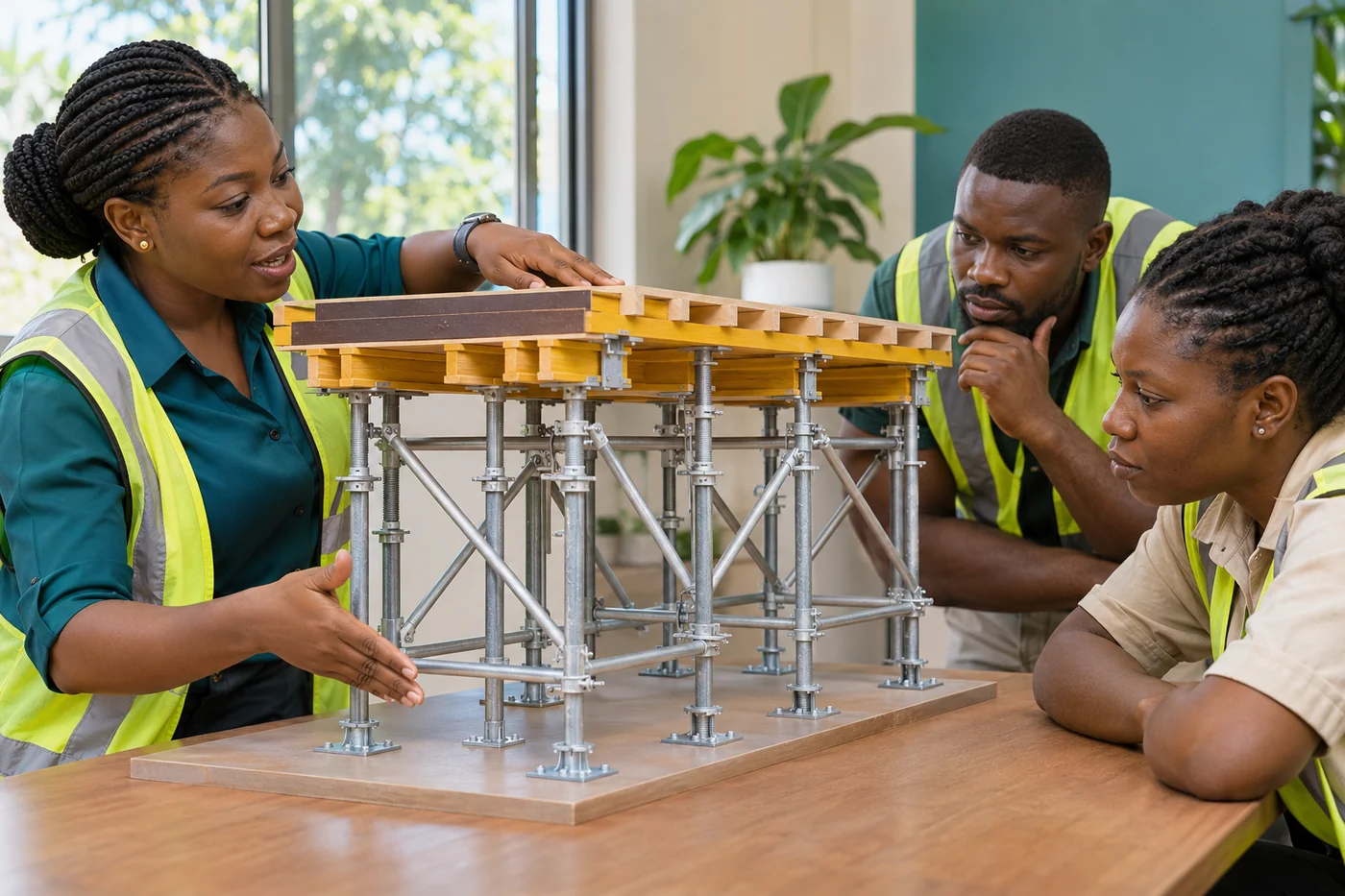
Assess temporary works and formwork proposals for loading, stability, sequencing and inspection controls, identifying matters requiring designer input.
Reinforcement Detailing and Bar-Bending Schedules
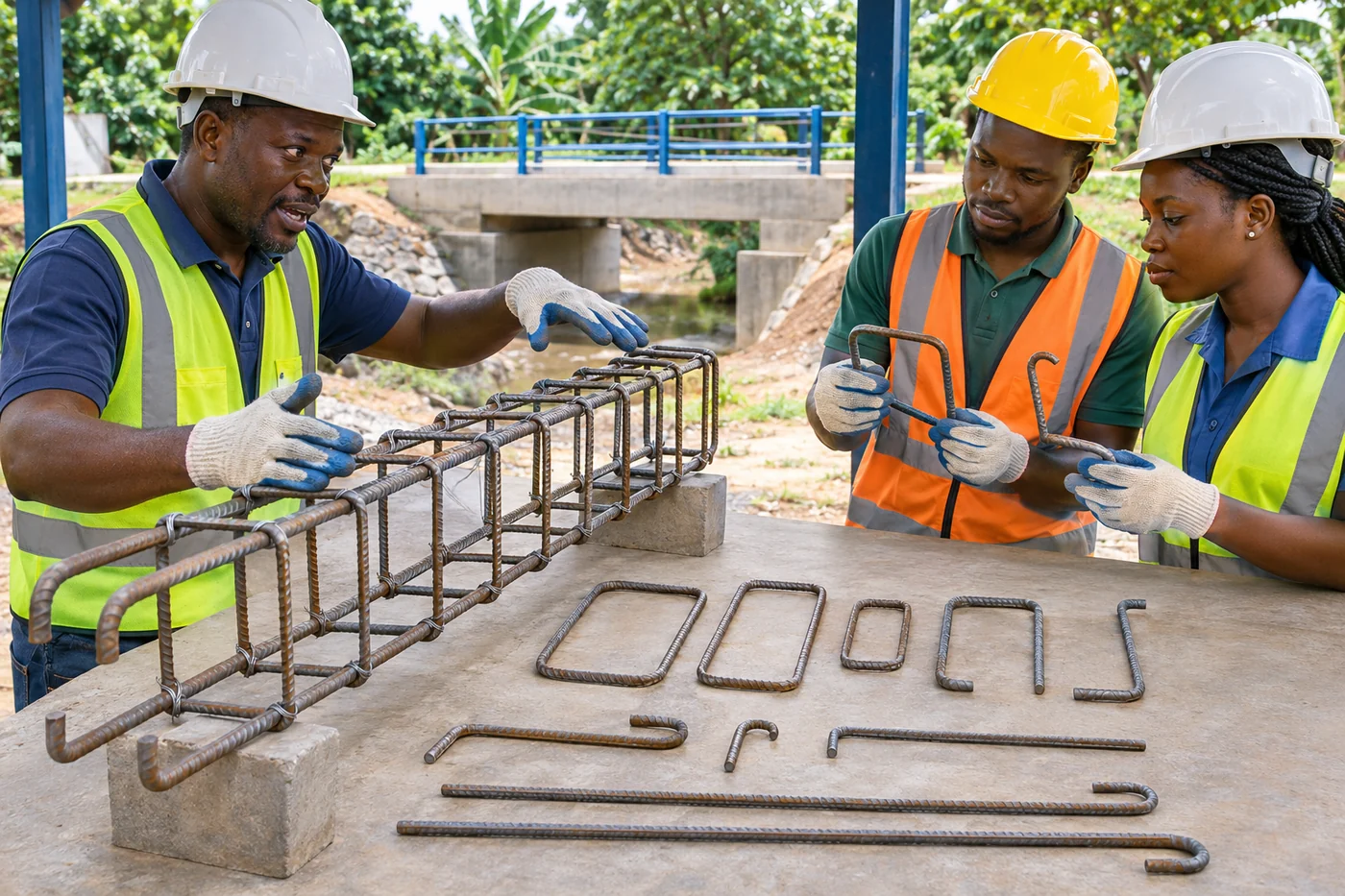
Develop reinforcement detailing and bar-scheduling skills with attention to geometry, anchorage, laps, constructability and checking consistency.
Prestressing Detailing and Stressing Operations
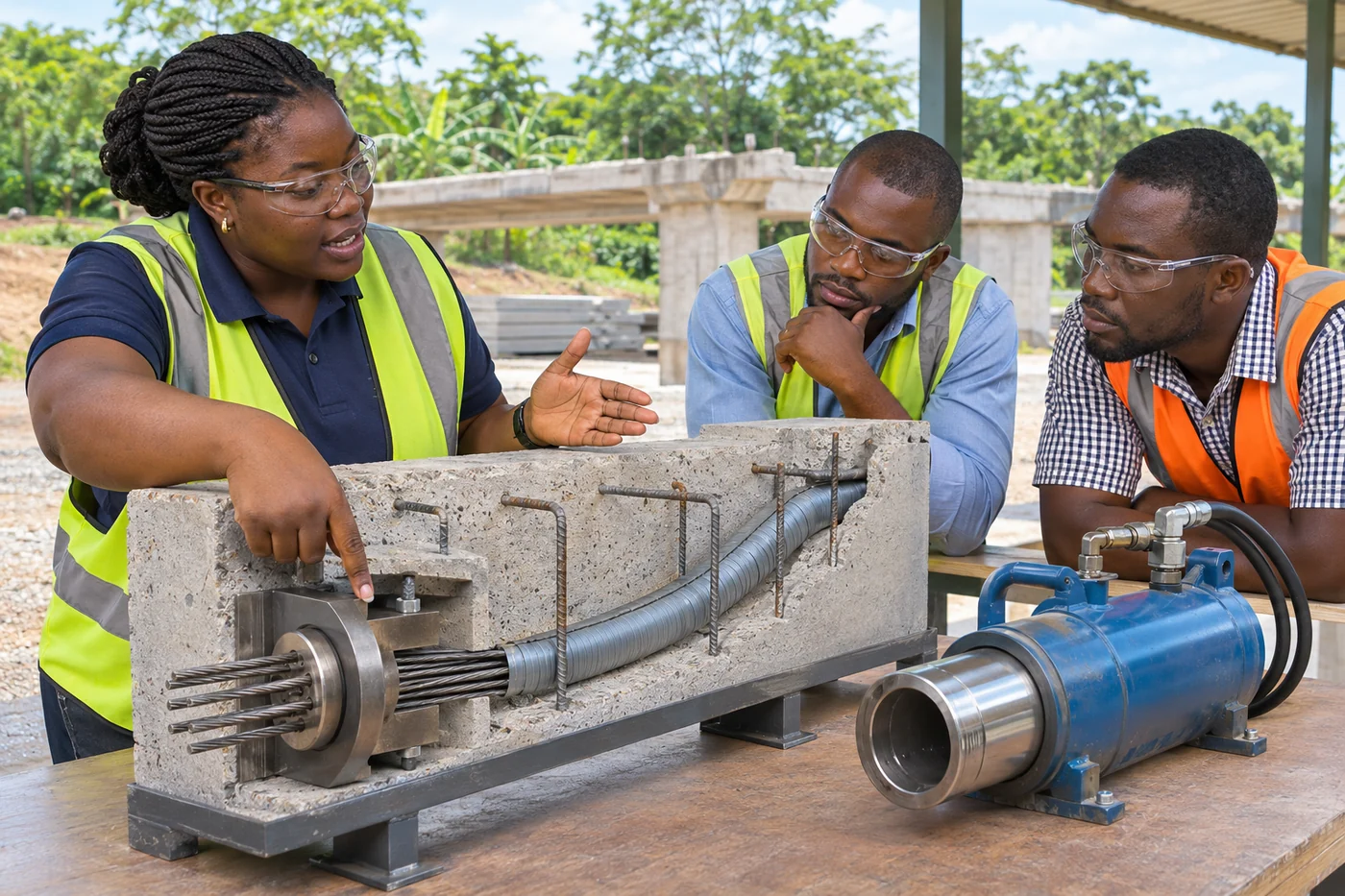
Review tendon detailing, stressing sequences, equipment checks and records, explaining how site observations support engineering acceptance.
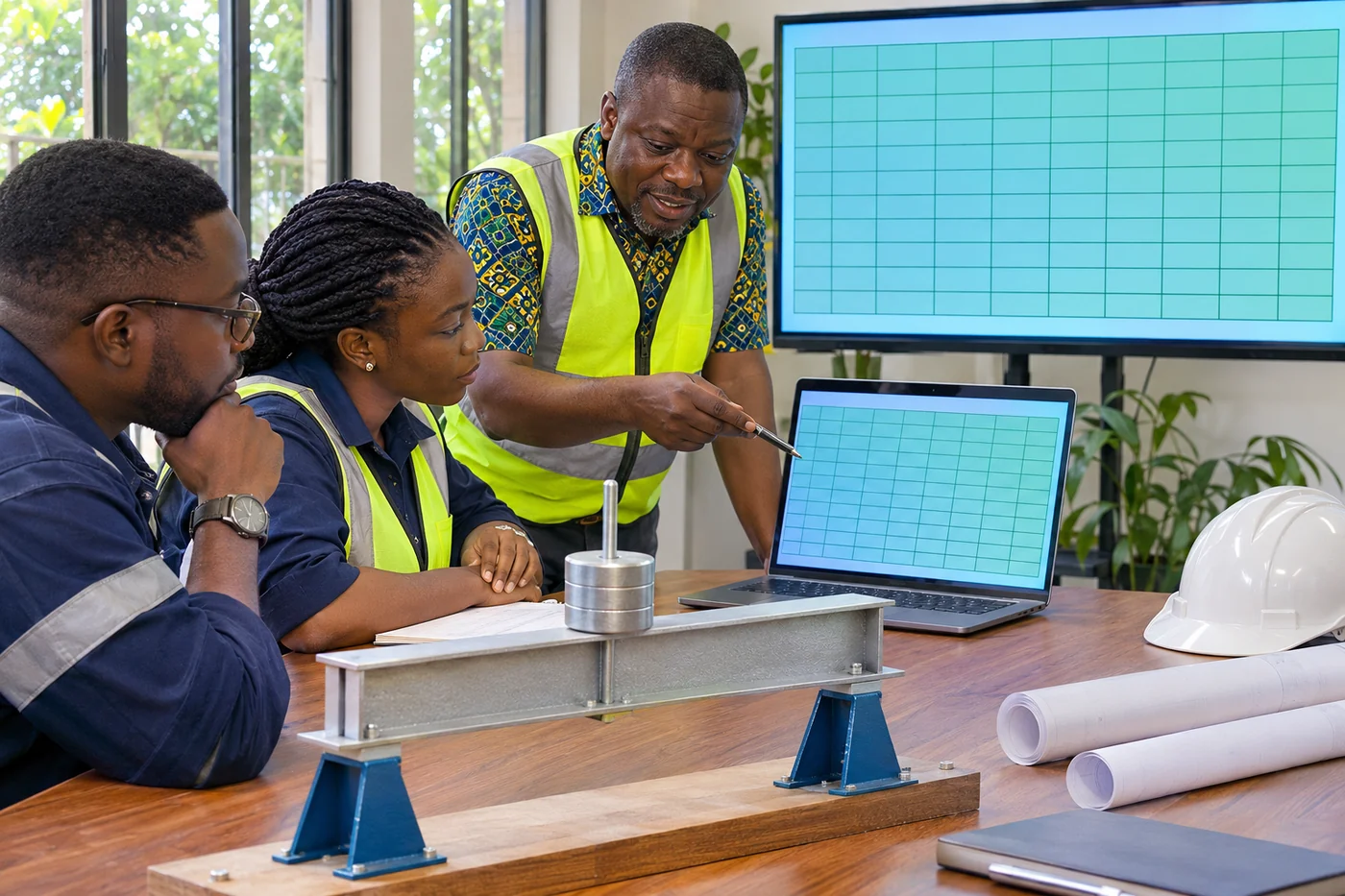
Engineering Spreadsheet Development and Verification
Build and verify engineering spreadsheets using clear inputs, units, transparent formulas, independent checks and controlled reporting.
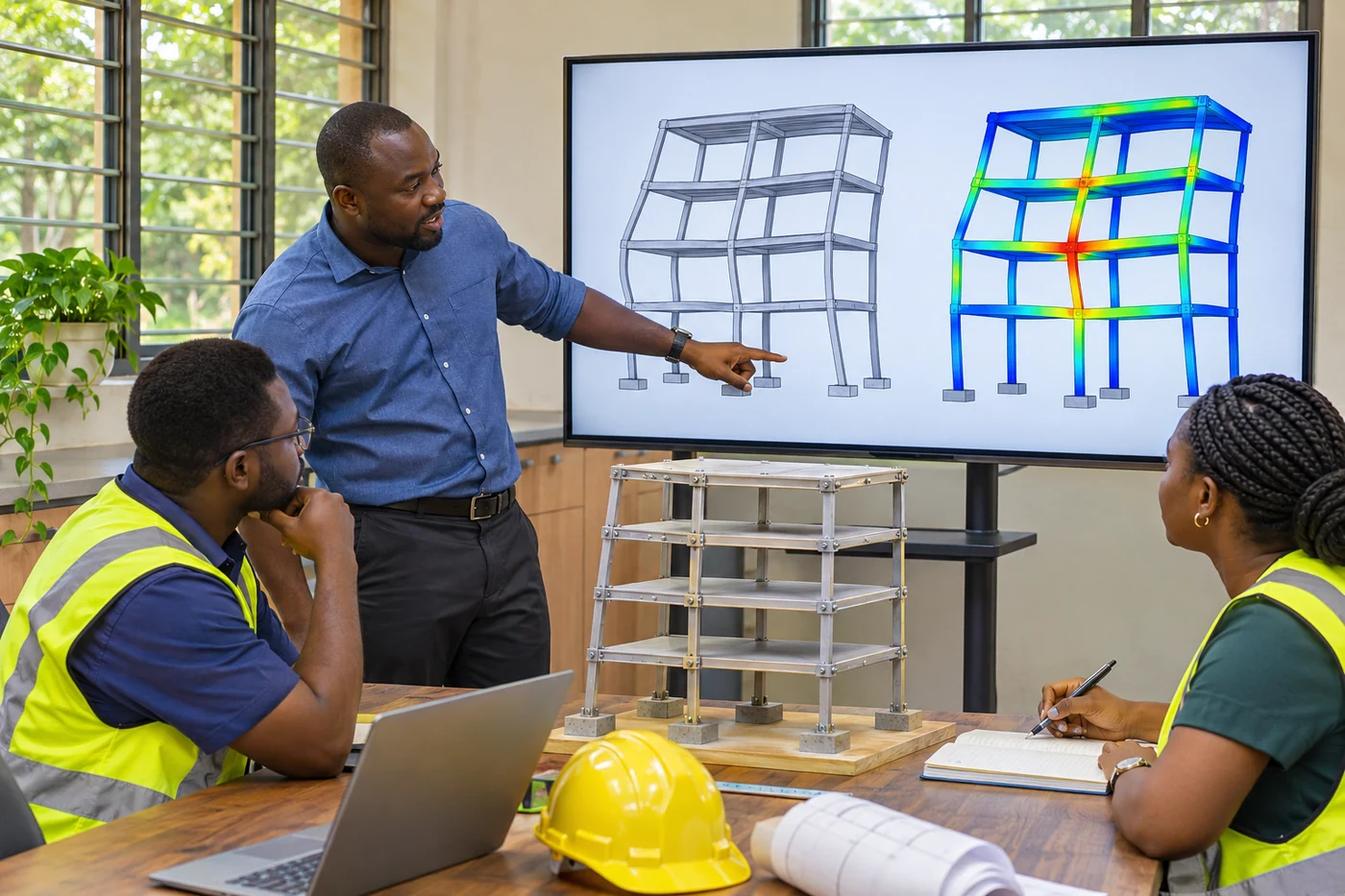
Structural Software Modelling and Result Interpretation
Practice structural software modelling and interpretation, relating calculated results to load paths, assumptions and independent engineering checks.
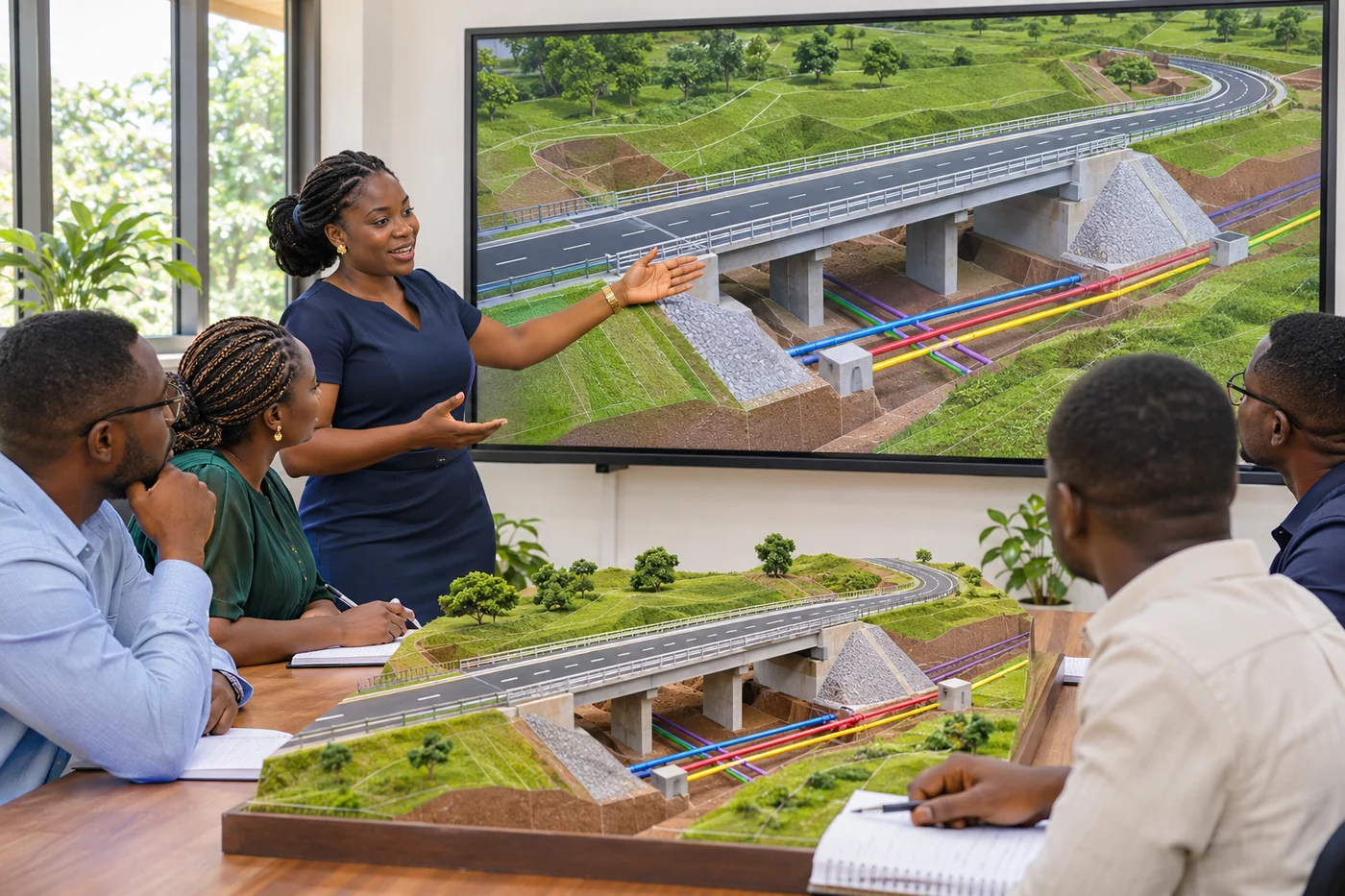
BIM and Digital Engineering for Infrastructure
Explore coordinated infrastructure information models, shared data workflows and practical model-exchange or review exercises.
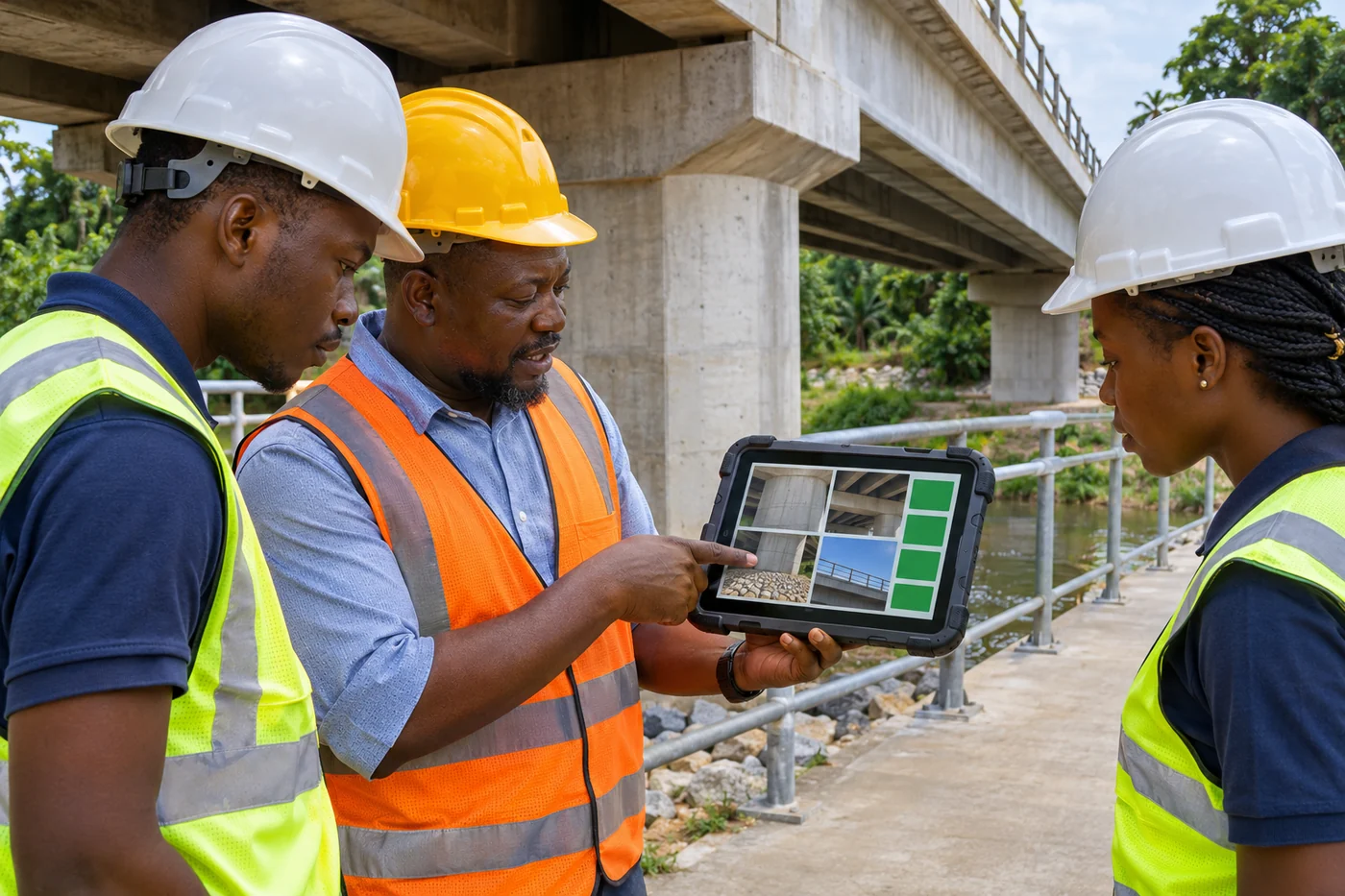
Site Inspection, Reporting and Digital Records
Practice site inspection and digital reporting, organizing observations, photographs, test evidence and action tracking into clear project records.
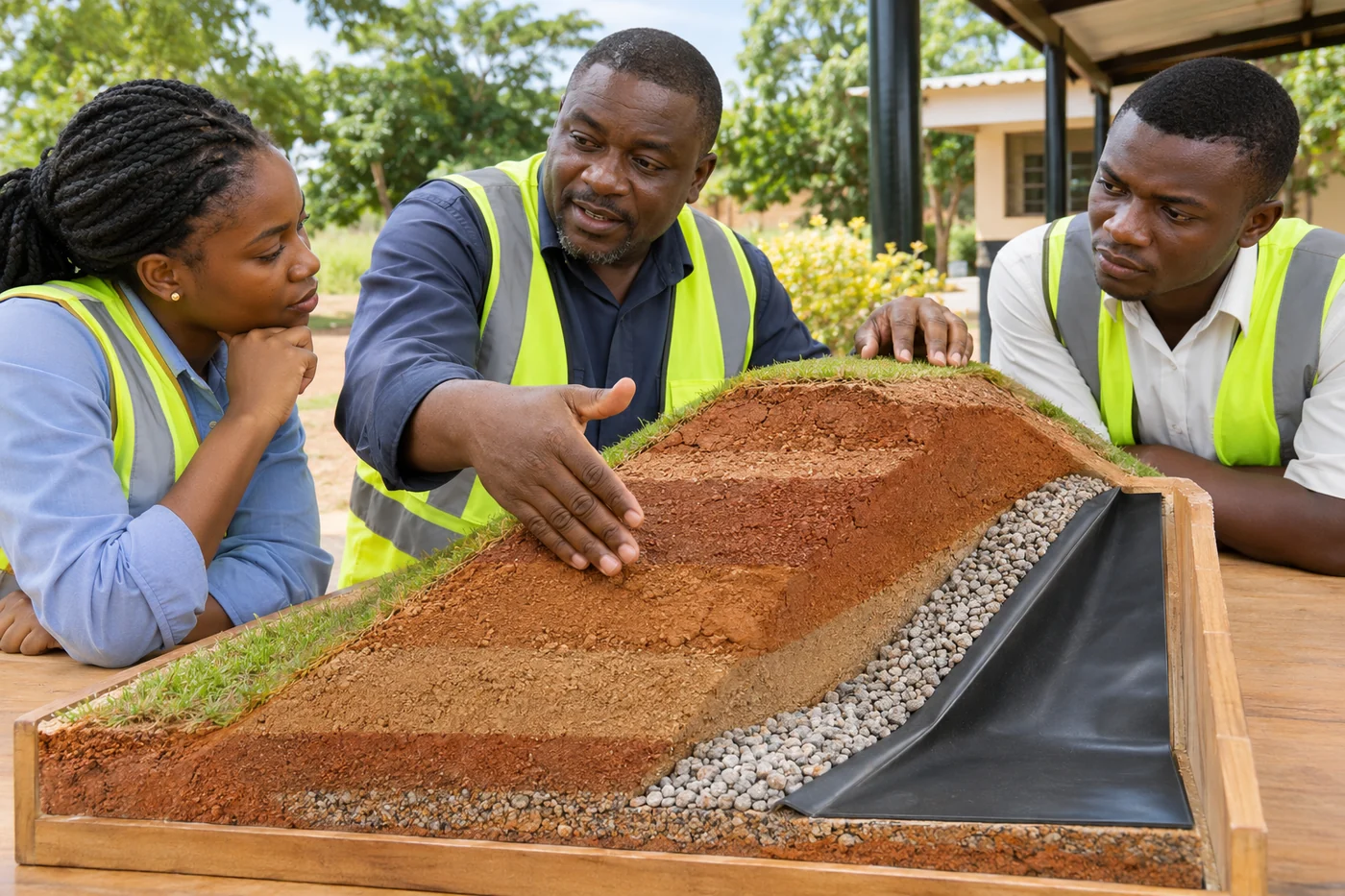
TSF Construction Quality Assurance
Review tailings facility construction quality controls for earthworks, drainage and material placement within the approved design and supervision scope.
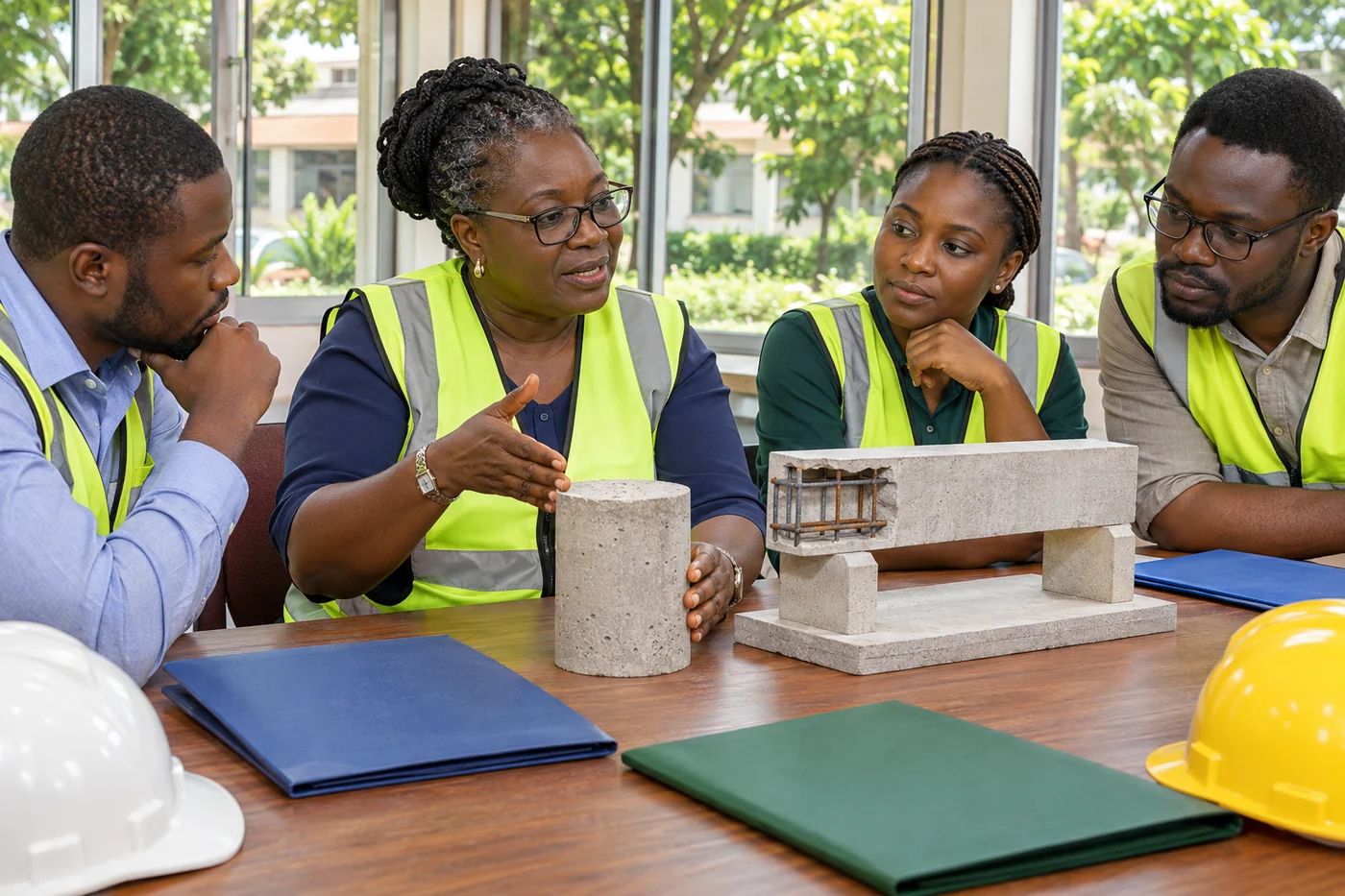
Engineering Ethics, Responsibility and Technical Review
Examine professional responsibility, ethical decisions and technical-review practices through engineering scenarios and documented decision reasoning.
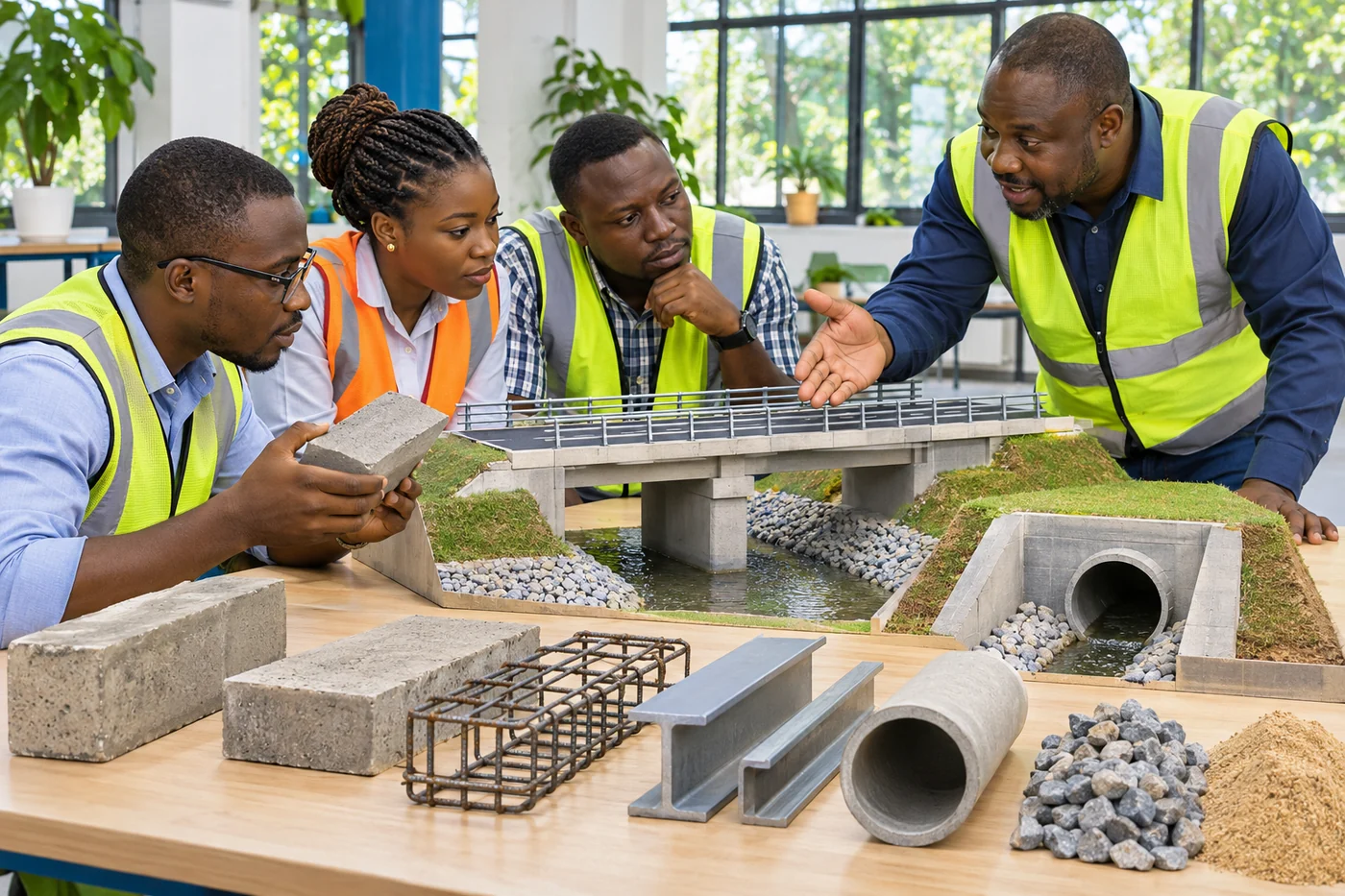
Customized Project-Based Technical Training
Develop targeted training around an agreed project, combining worked examples, practical exercises and review of the team's identified technical needs.