
Construction Design & Supervision
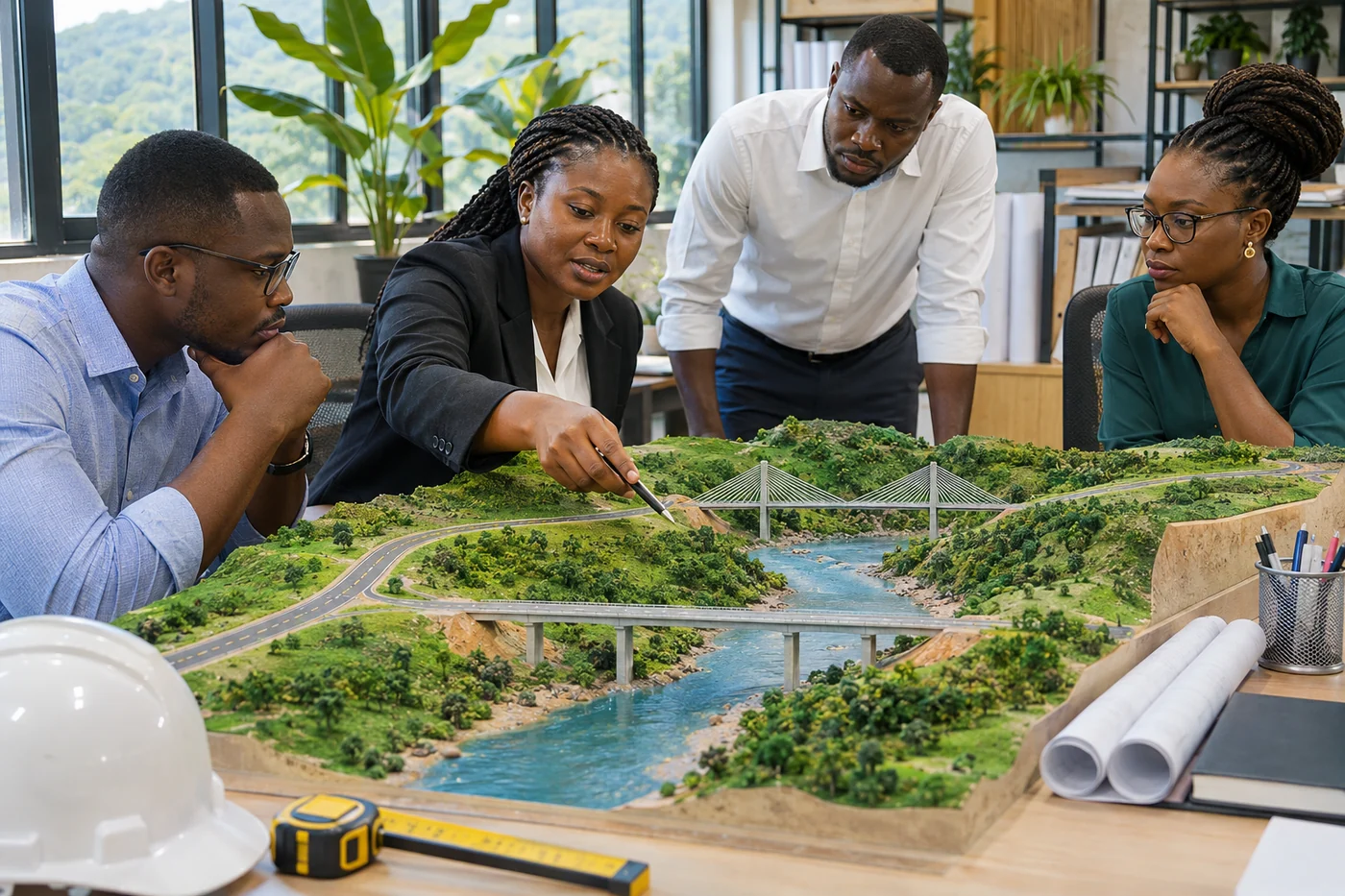
Infrastructure Feasibility Study
Assess technical, environmental, operational and cost constraints to identify viable infrastructure options, key risks and investigations needed before detailed design.
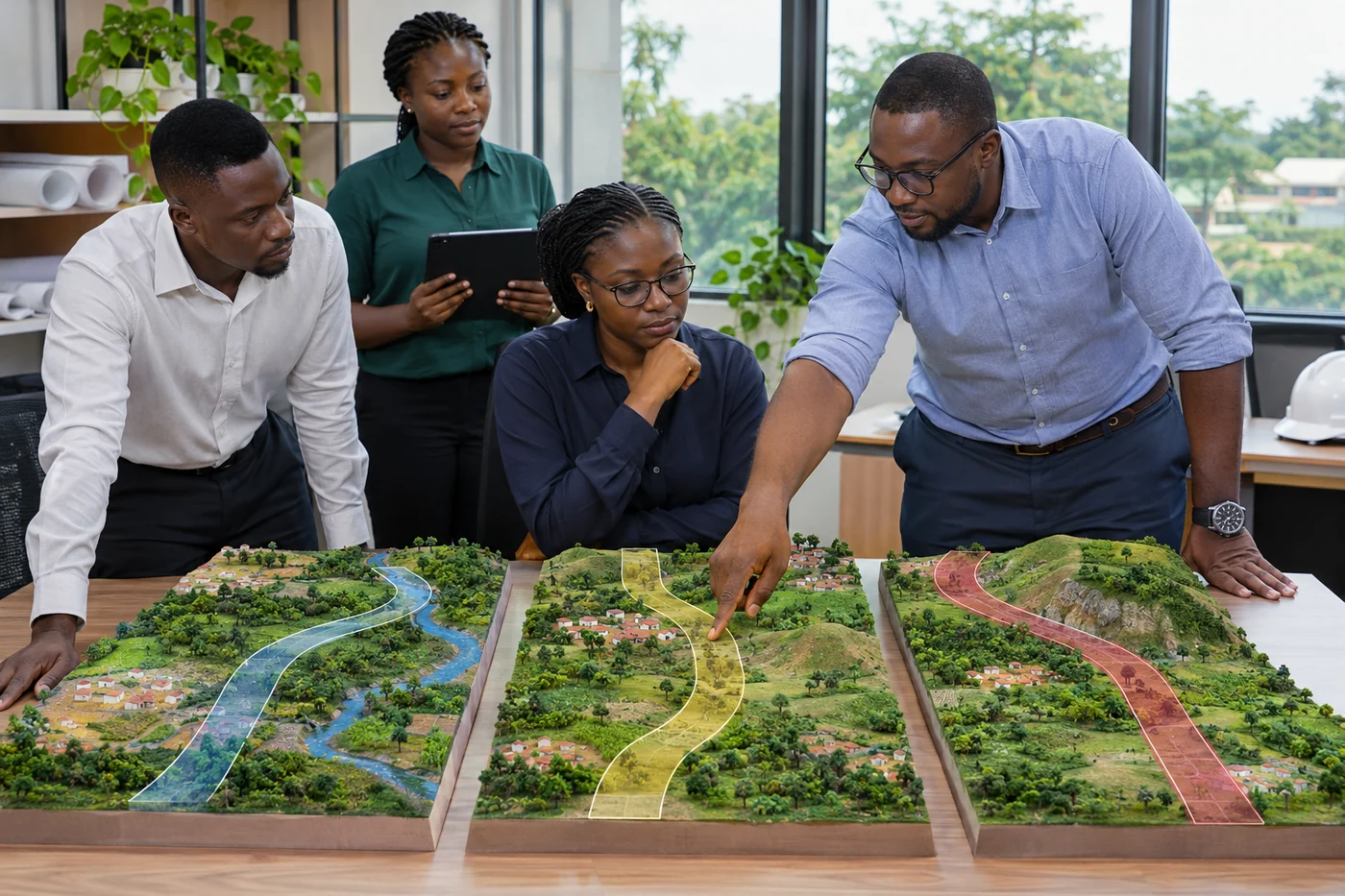
Pre-Feasibility and Options Assessment
Compare early project options against agreed objectives, site constraints, indicative costs and delivery risks to establish a defensible basis for feasibility work.
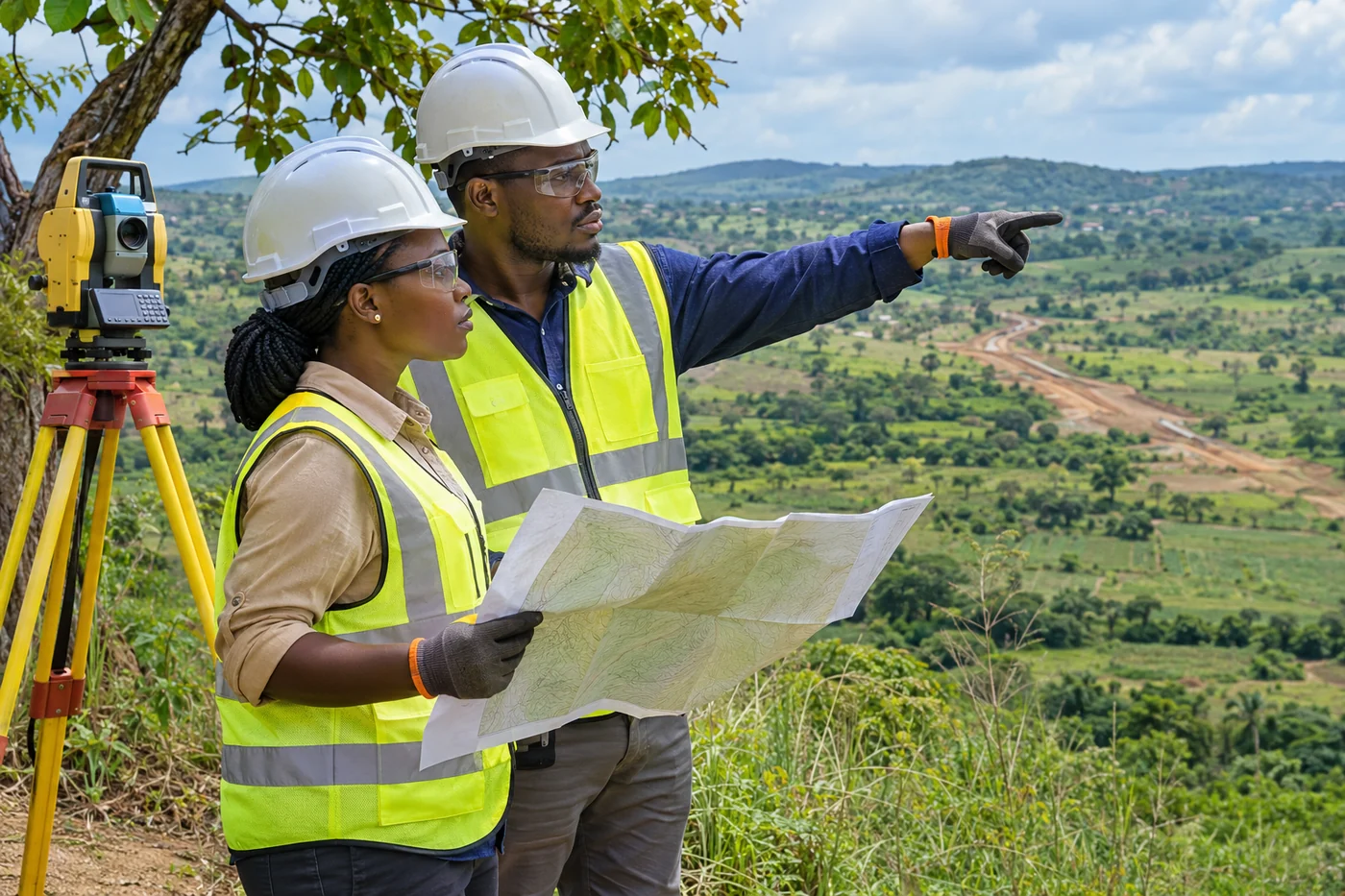
Engineering Site Reconnaissance
Visit the corridor or site to identify access, terrain, drainage, existing structures and nearby activities that may affect investigation and design.
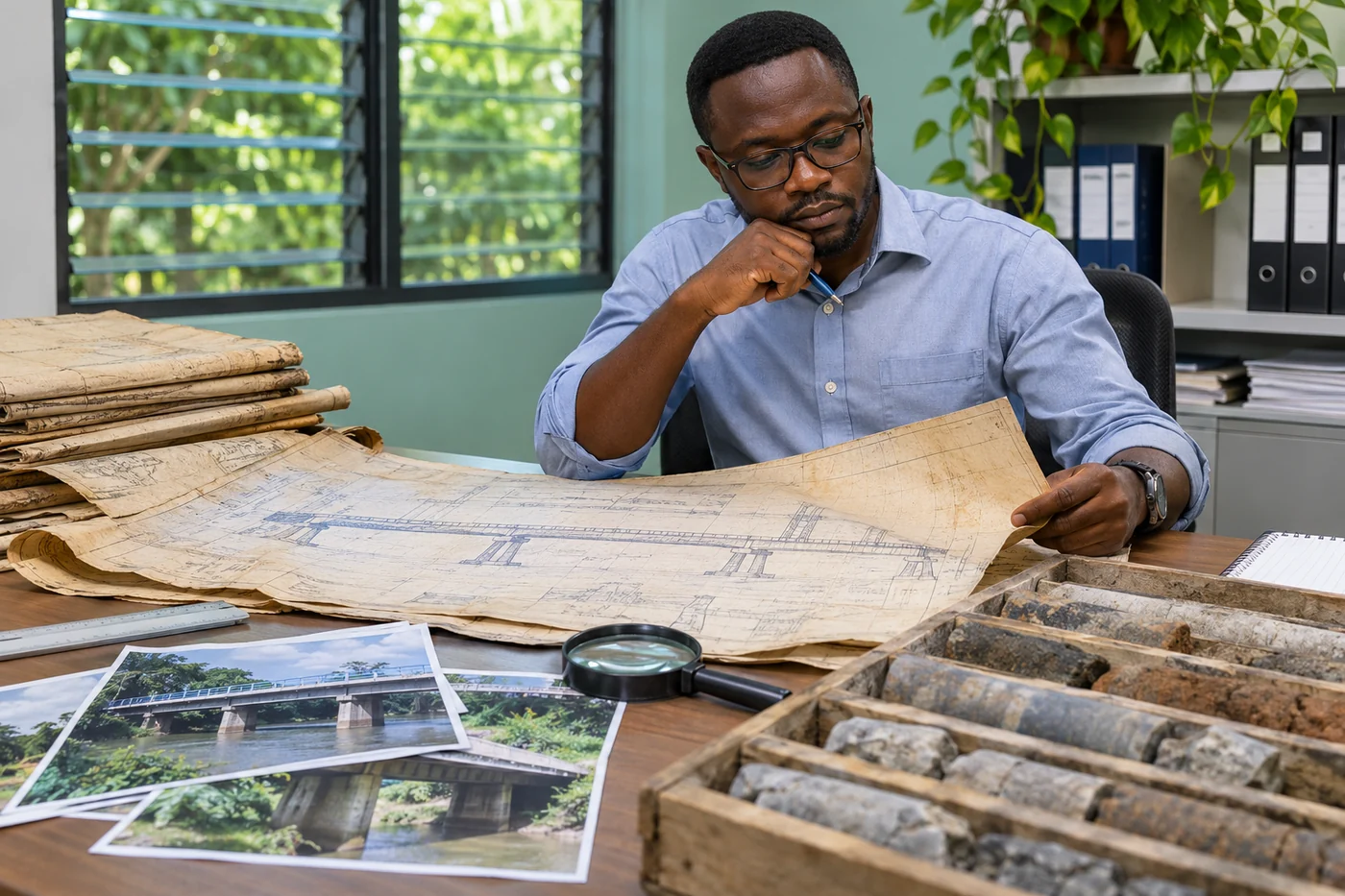
Existing-Data and Design-Basis Review
Review available surveys, investigation reports, records and design criteria, recording information gaps and assumptions for subsequent engineering work.
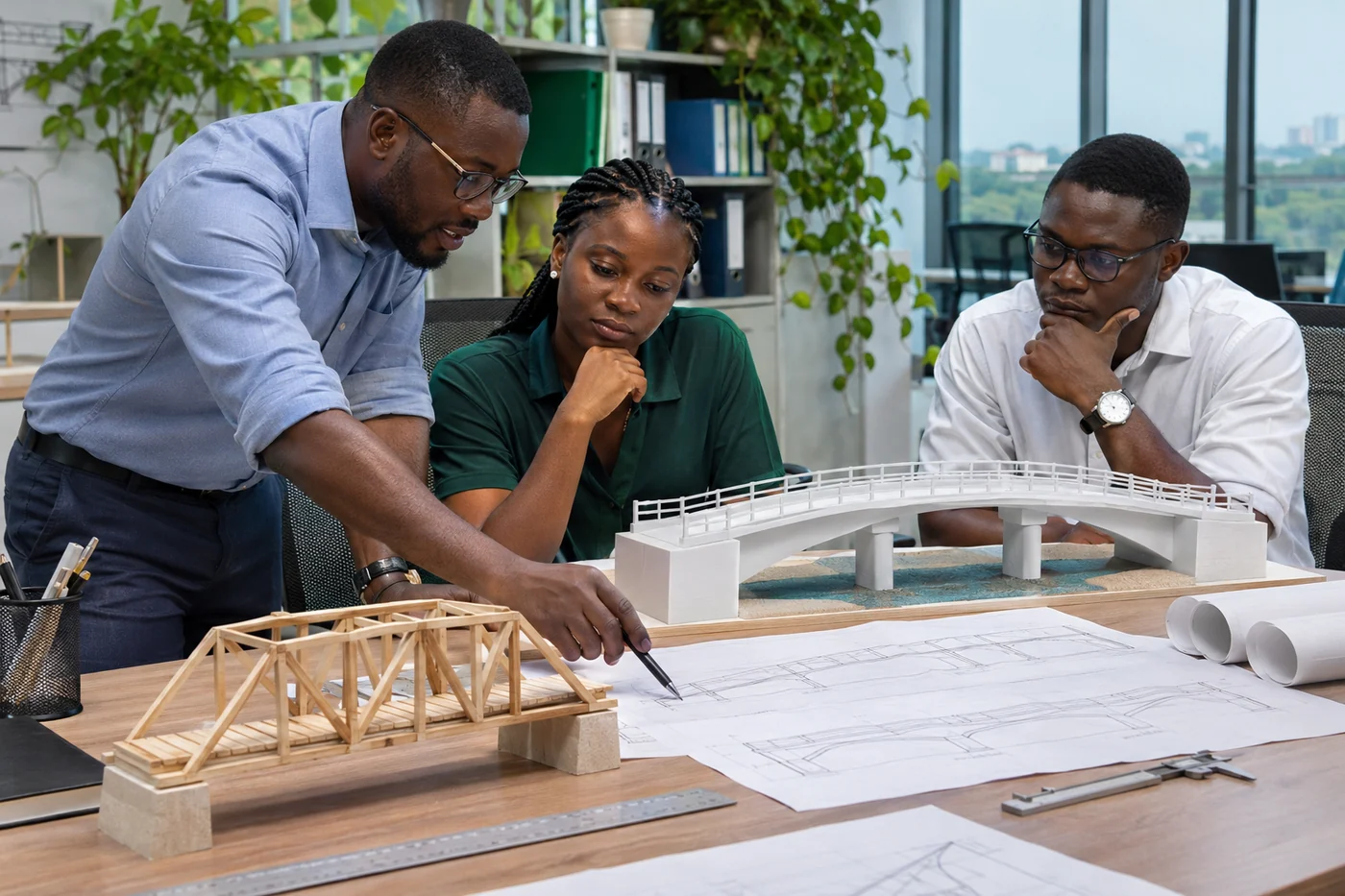
Concept and Preliminary Engineering Design
Develop initial layouts, structural concepts and outline dimensions so clients can compare practical solutions before detailed engineering begins.
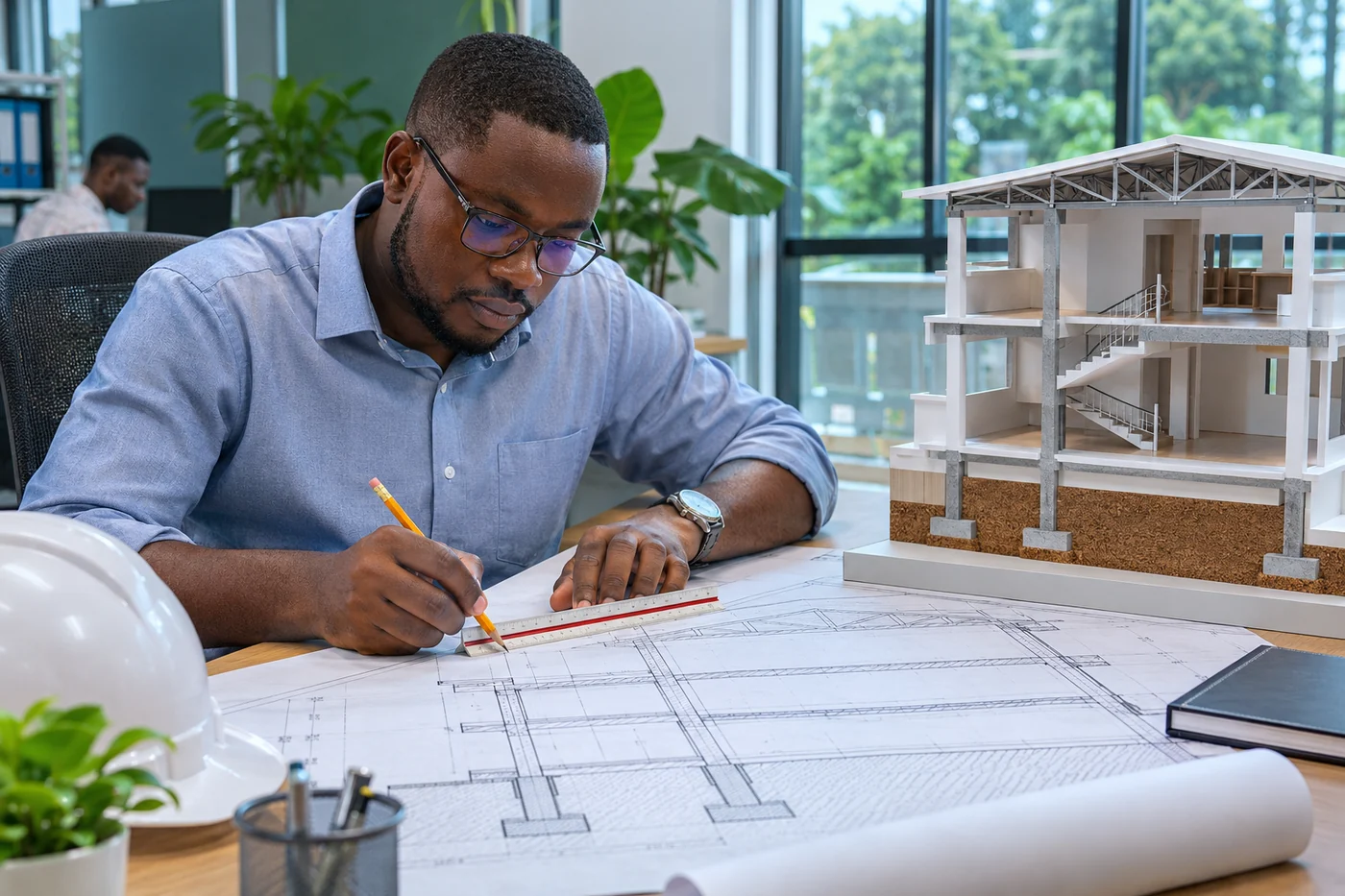
Detailed Engineering Design
Prepare coordinated engineering calculations, drawings and specifications for the agreed scope, documenting design assumptions and critical interfaces.
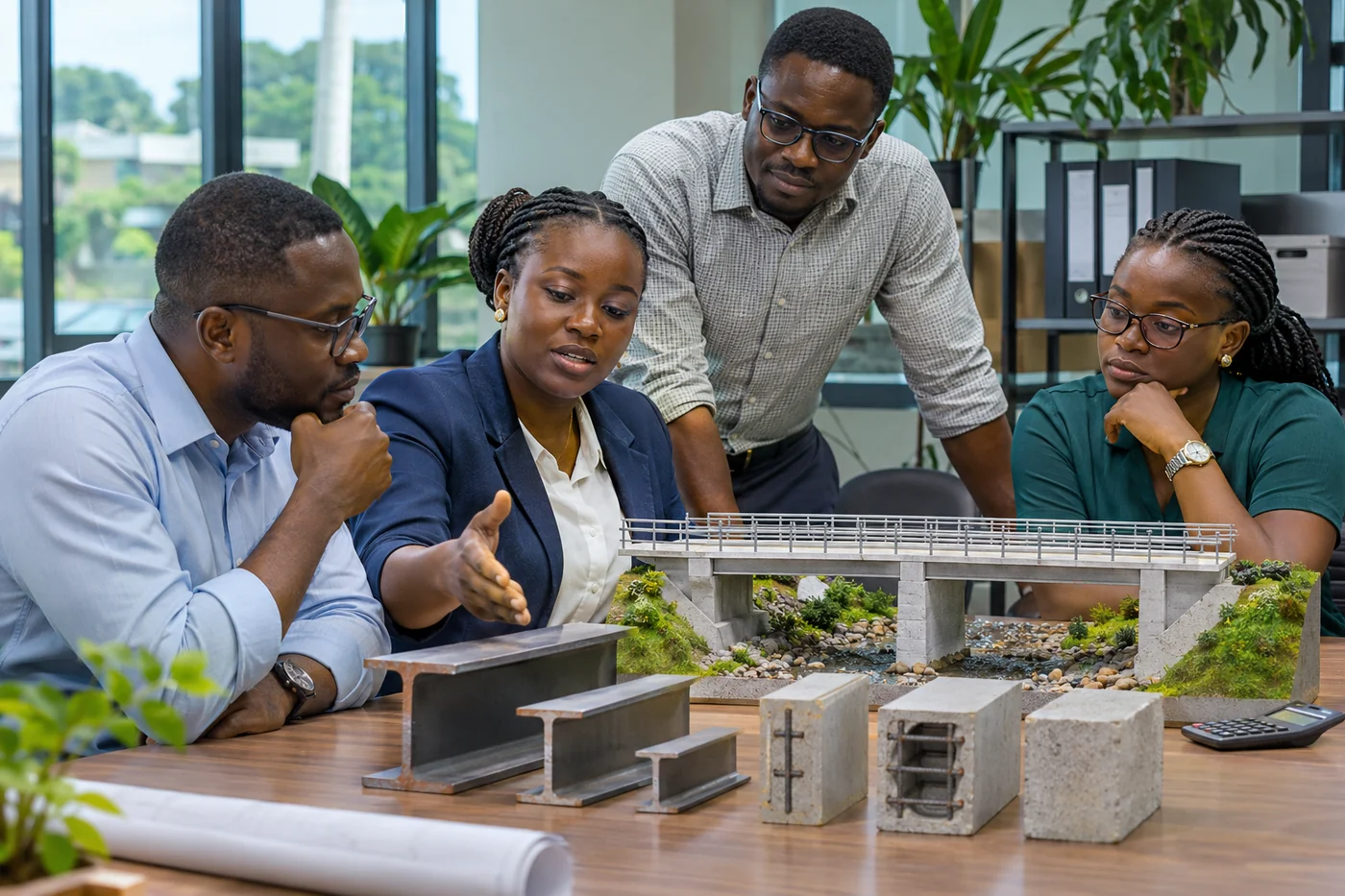
Value Engineering
Evaluate alternative materials, arrangements and construction methods to improve whole-life value while maintaining required performance and durability.
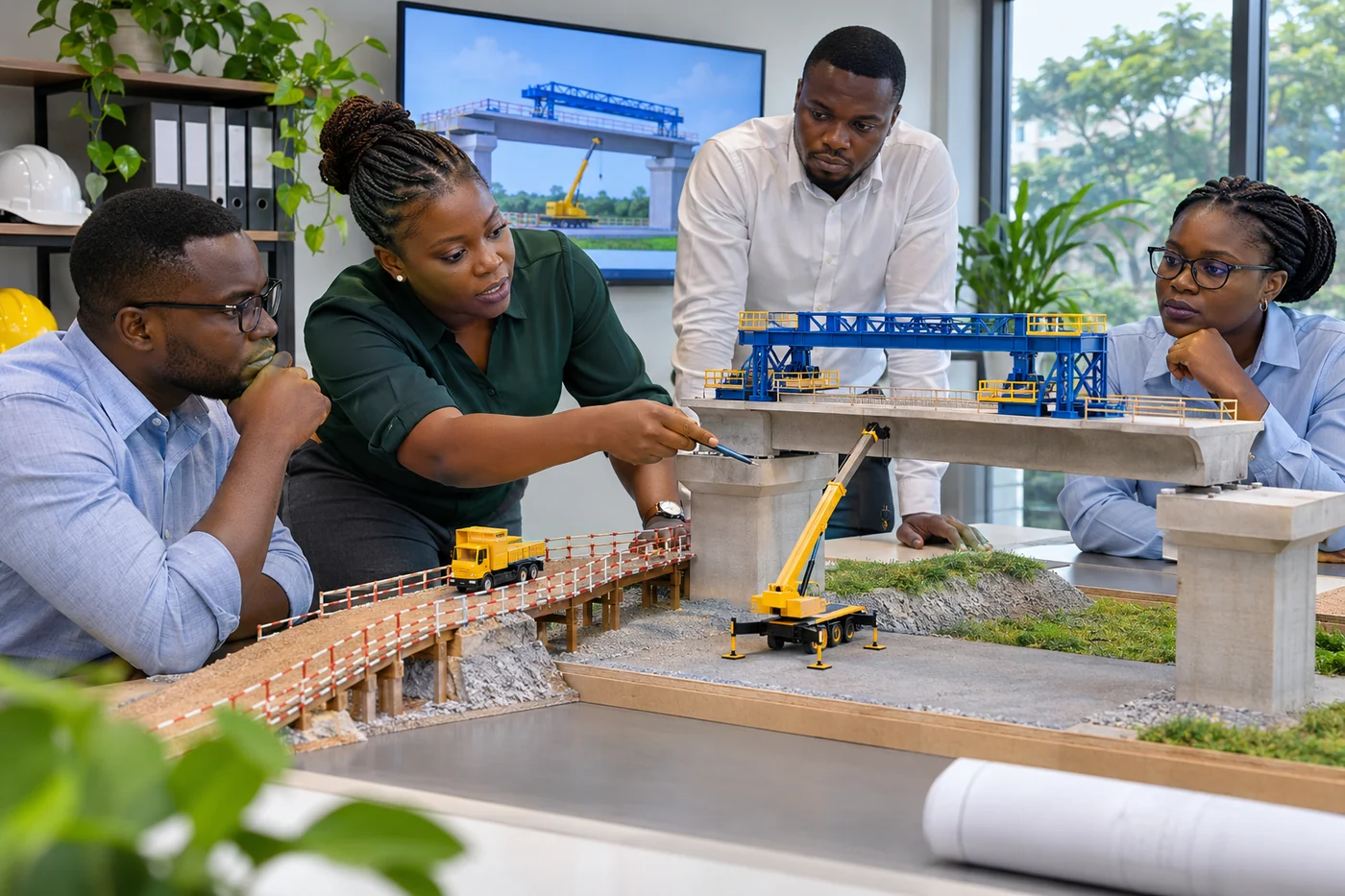
Constructability and Design Review
Review proposed designs for technical consistency, access, sequencing and temporary conditions, identifying issues that need resolution before construction.
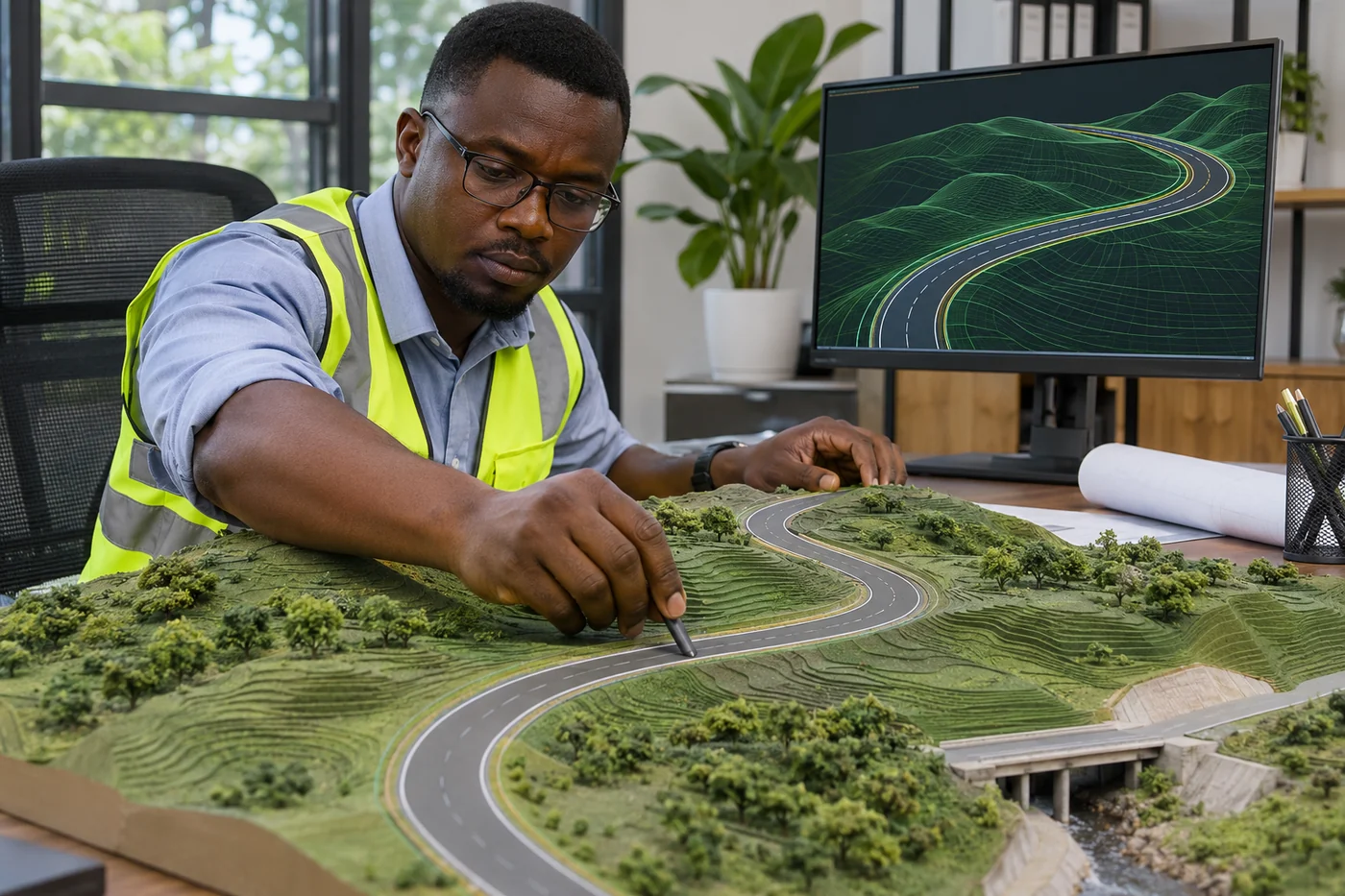
Road and Highway Geometric Design
Develop road alignments, profiles and cross-sections appropriate to terrain and project requirements, coordinating visibility, junctions and drainage.

Urban Road and Street Design
Coordinate traffic movement, pedestrian access, junctions, drainage and adjacent development in practical urban street layouts within the available reserve.

Pavement Design
Select pavement structures using traffic demand, ground conditions, available materials and maintenance expectations, documenting thickness and material choices.

Junction and Interchange Design
Develop junction and interchange arrangements that address traffic movements, visibility, geometric constraints and interfaces with surrounding roads.
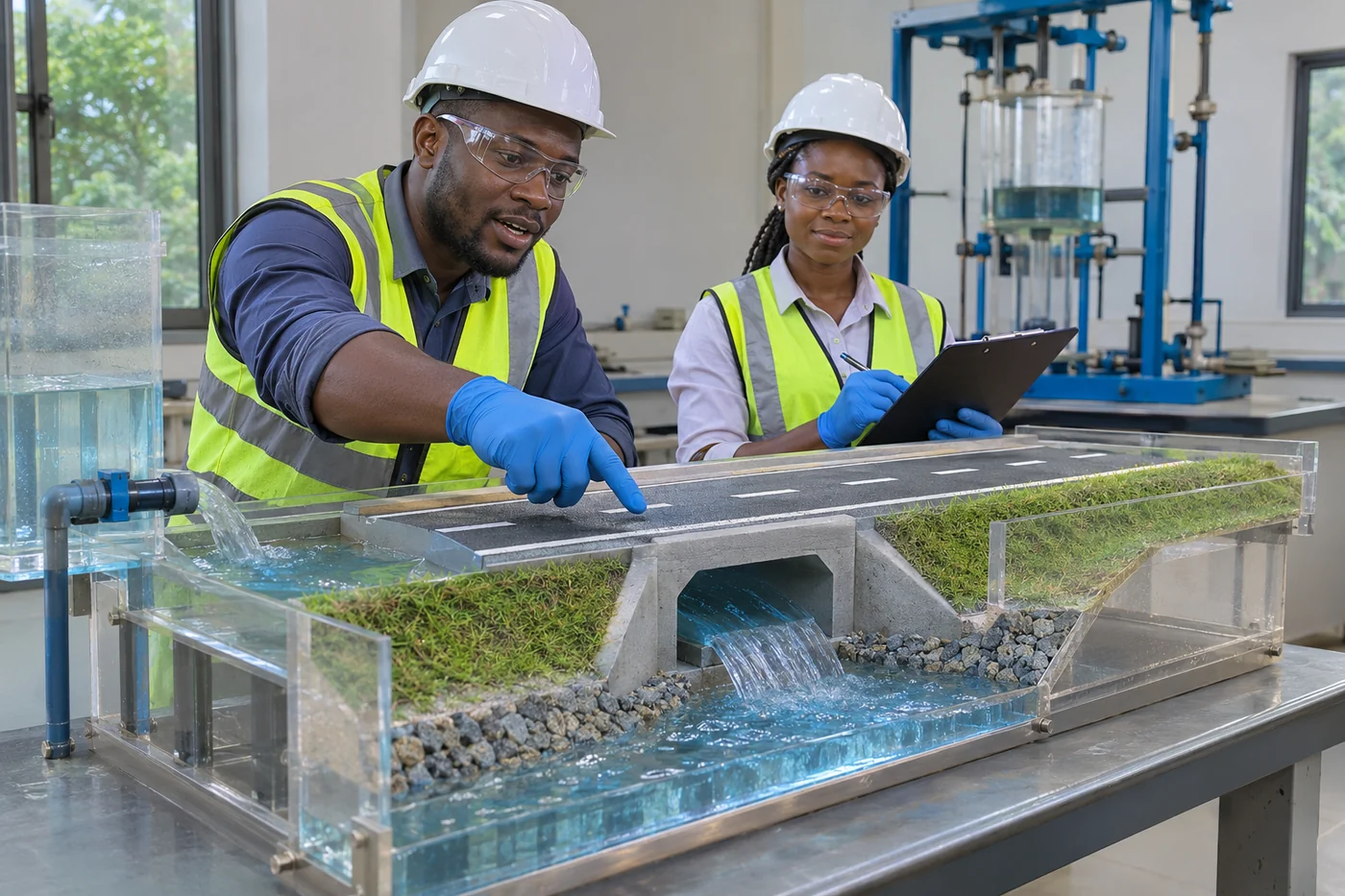
Road Drainage Design
Assess catchments and design channels, inlets, culverts and outfalls, considering erosion protection and accessible maintenance arrangements.
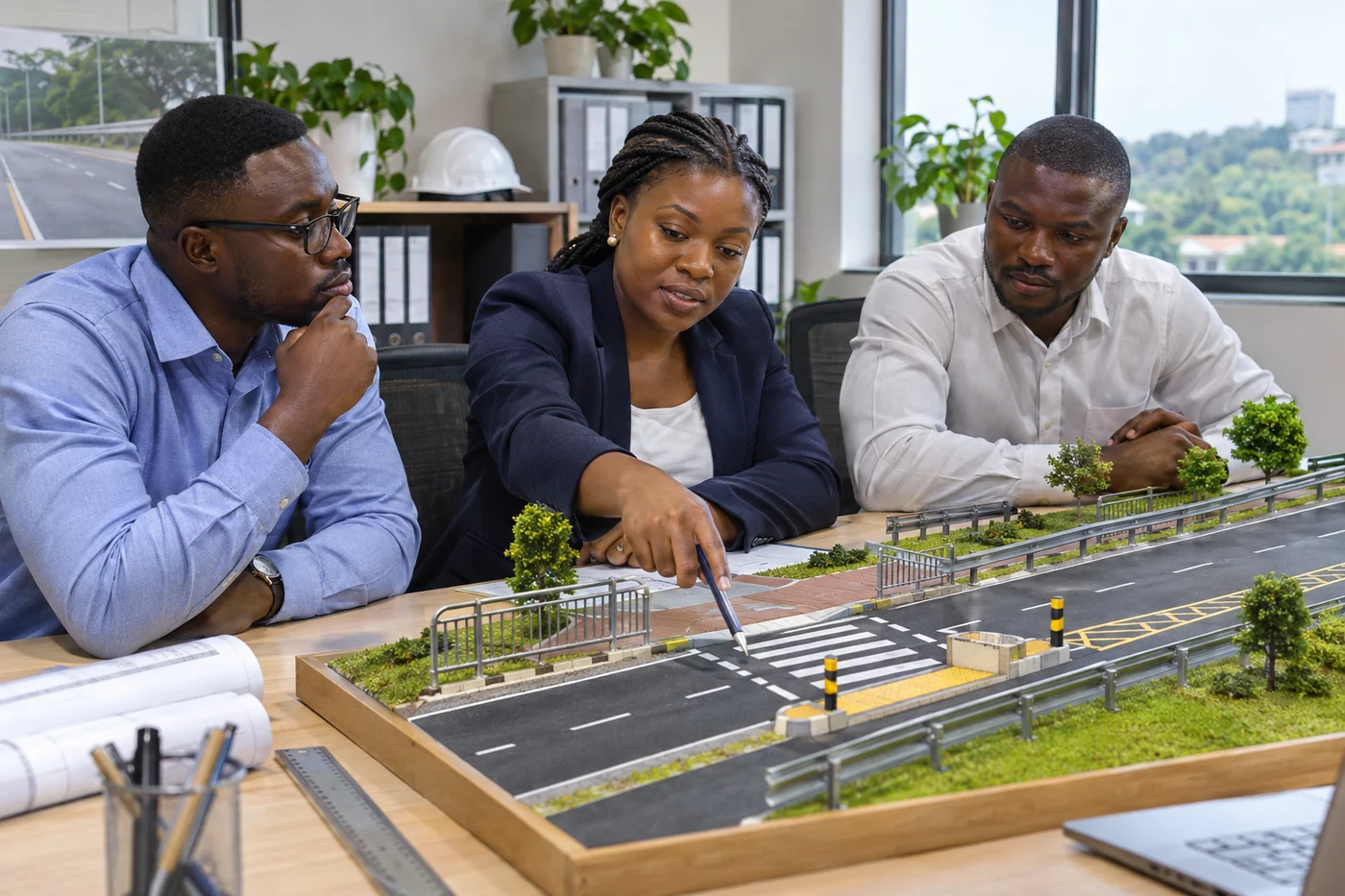
Road Safety Engineering and Audit
Review road layouts and operating conditions to identify risks to motorists, pedestrians and other road users, with practical recommendations for improvement.
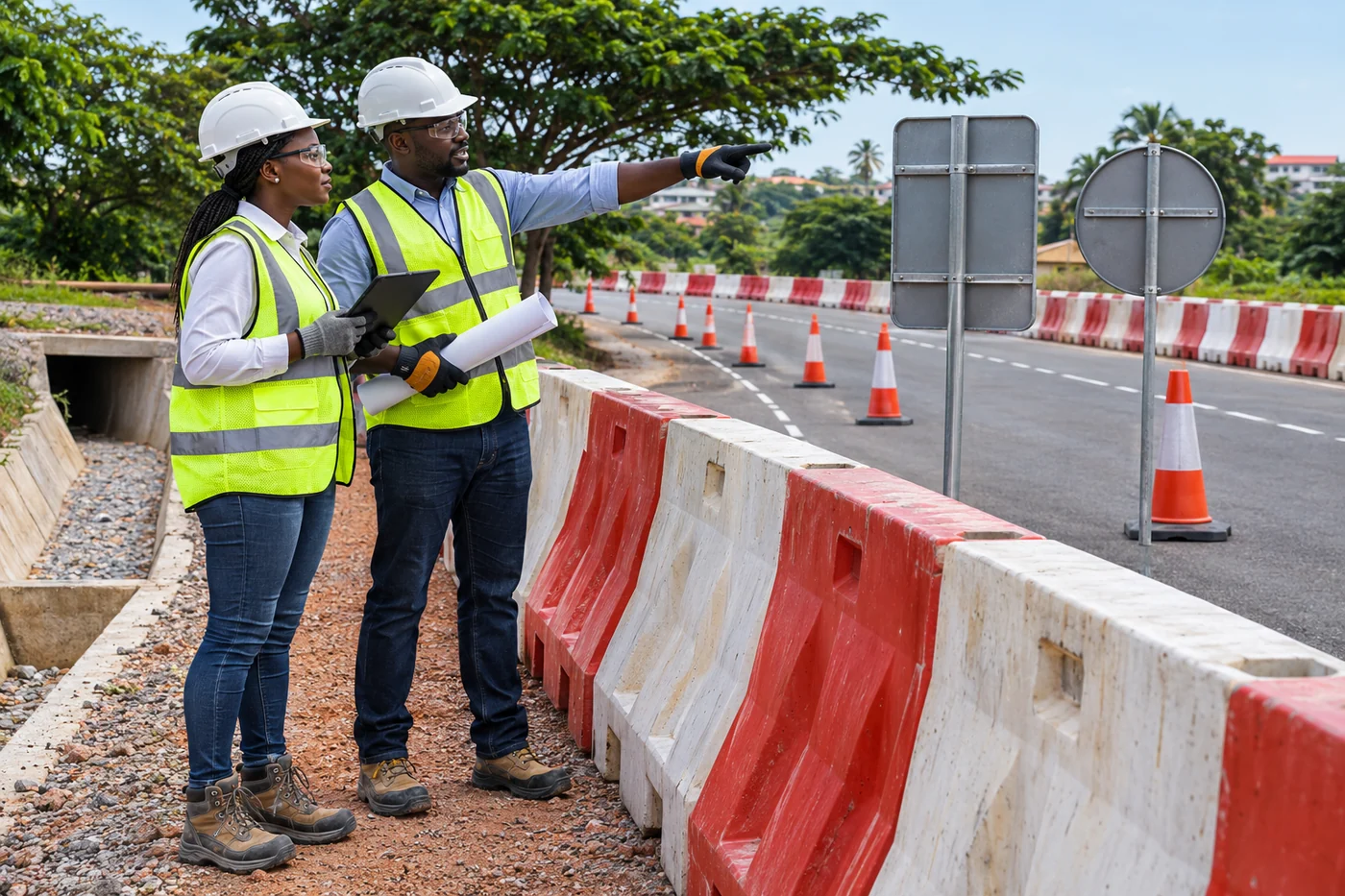
Traffic Management and Diversion Design
Plan temporary traffic arrangements and diversions around construction activities, coordinating safe access, signage, staging and road-user requirements.
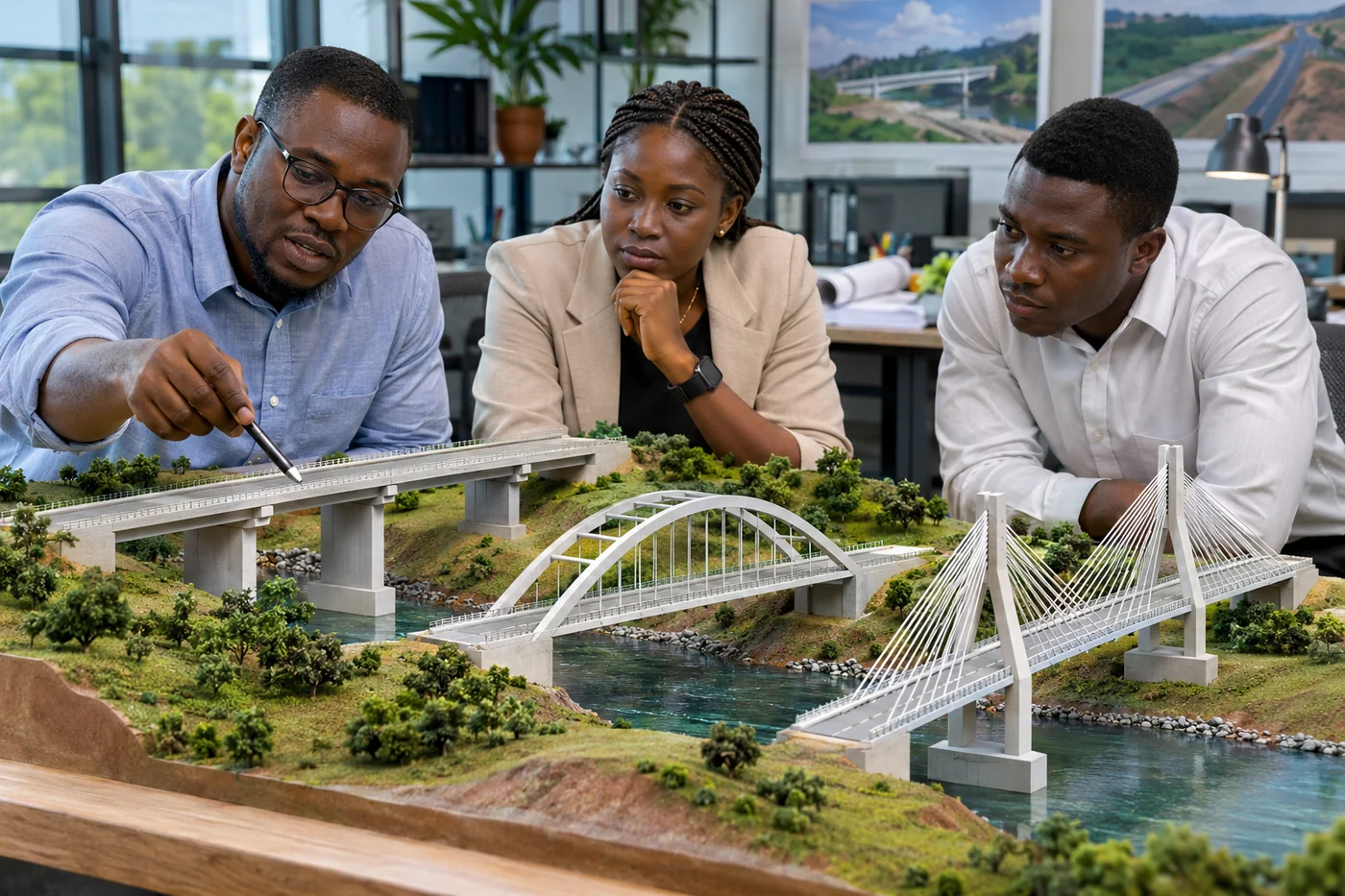
Bridge Feasibility and Type-Selection Study
Compare bridge locations and structural forms against crossings, ground conditions, construction access, costs and maintenance needs before detailed development.
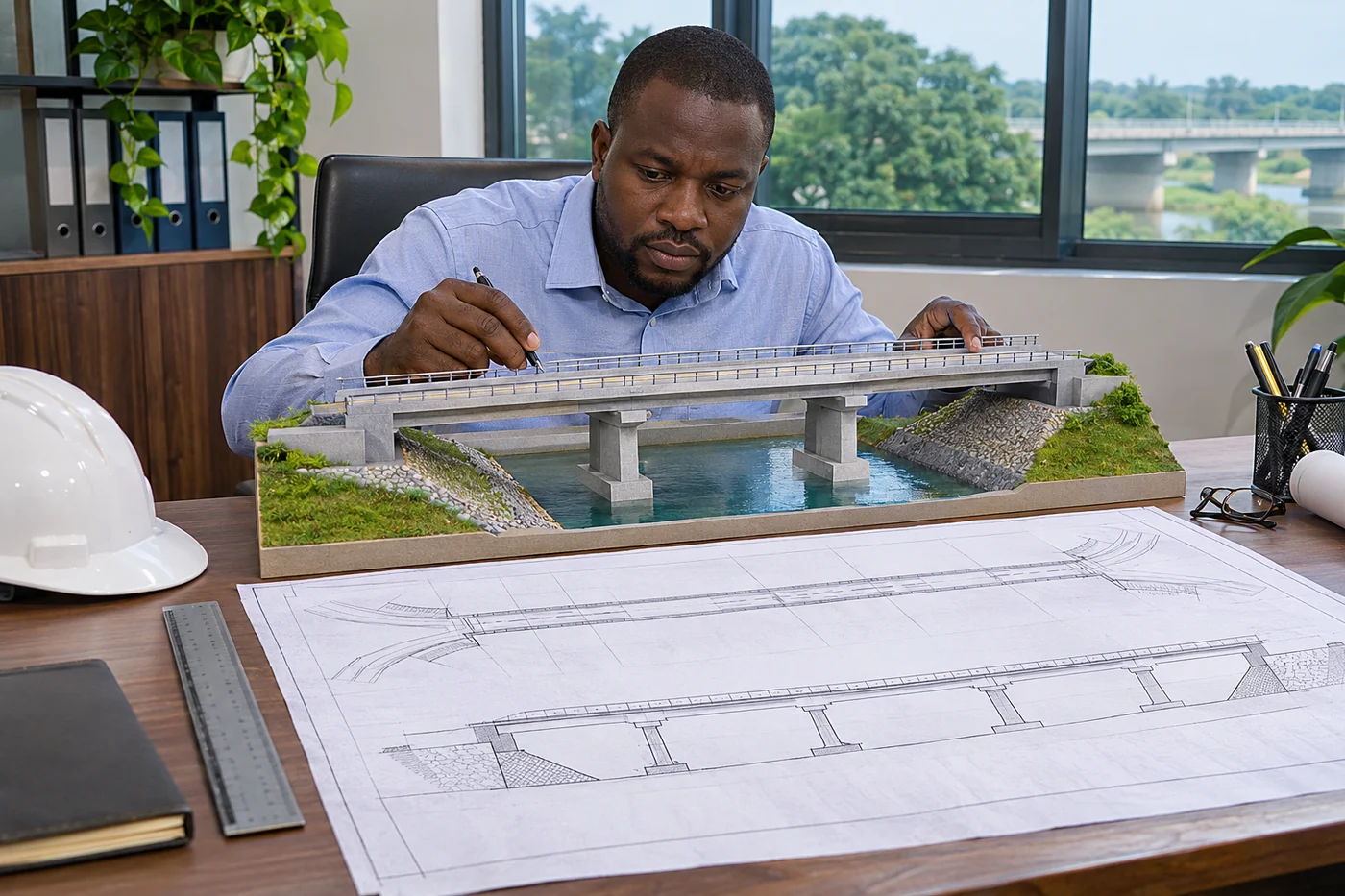
Bridge General Arrangement Design
Develop bridge layouts showing spans, clearances, deck arrangement, supports and approaches, coordinating hydraulic, alignment and structural constraints.
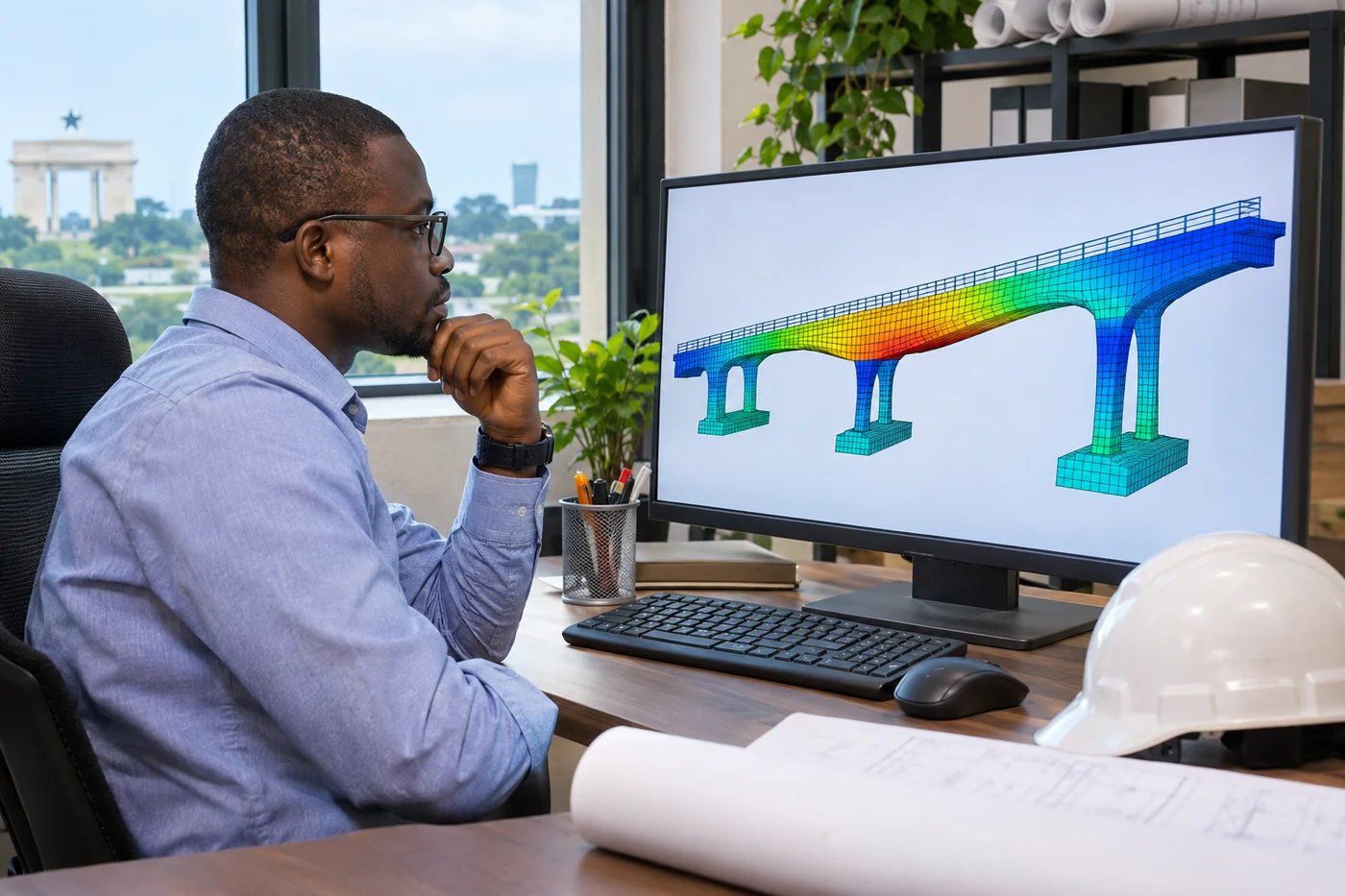
Bridge Load Analysis and Structural Modelling
Build structural models for bridge actions and load paths, interpret responses and document assumptions, sensitivities and governing design cases.

Reinforced-Concrete Bridge Design
Design reinforced-concrete bridge components for relevant actions and durability conditions, coordinating analysis, reinforcement detailing and buildability.
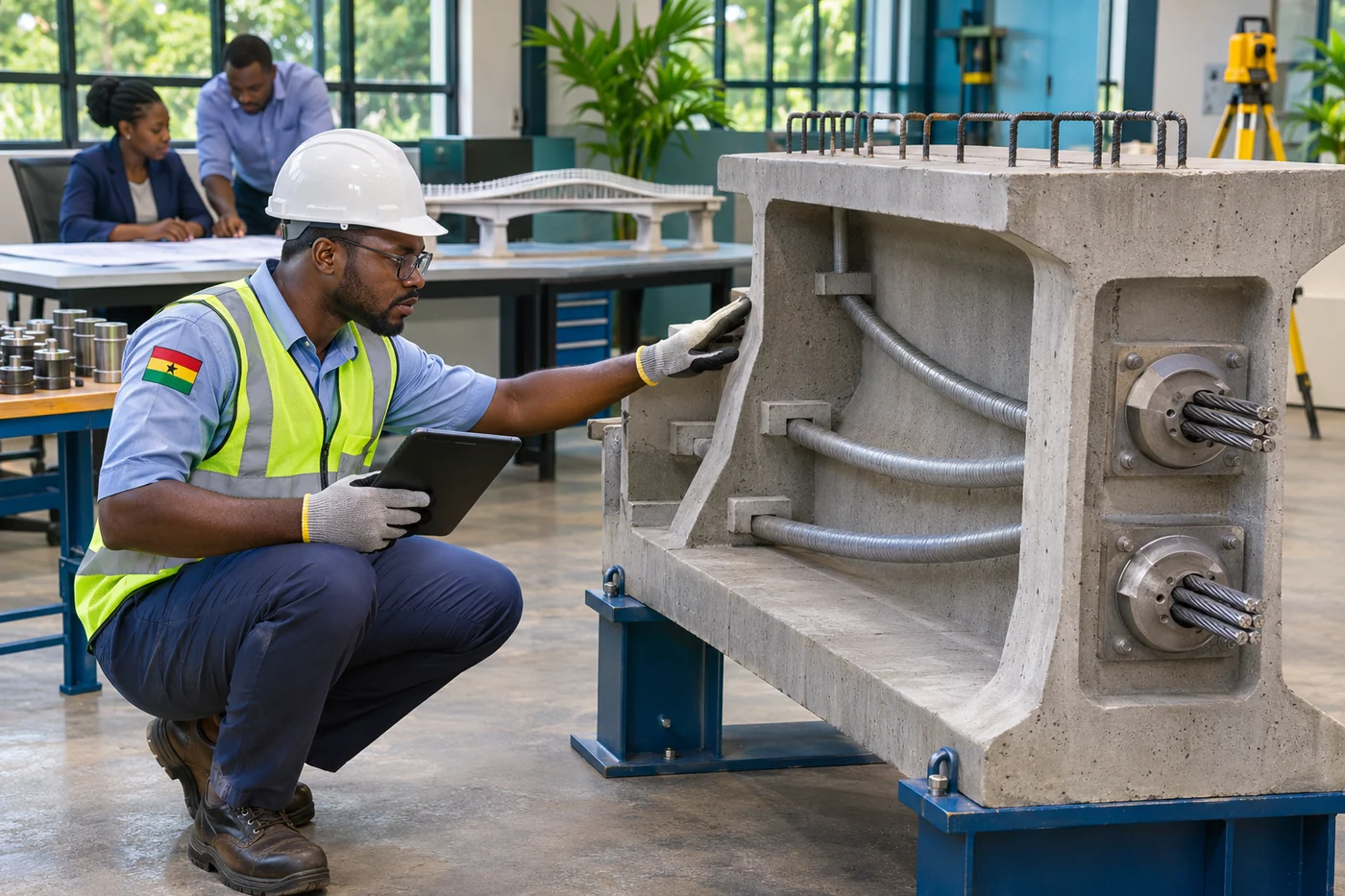
Prestressed-Concrete Bridge Design
Develop prestressed-concrete bridge designs addressing tendon arrangement, staged construction, losses, serviceability and detailing at critical zones.
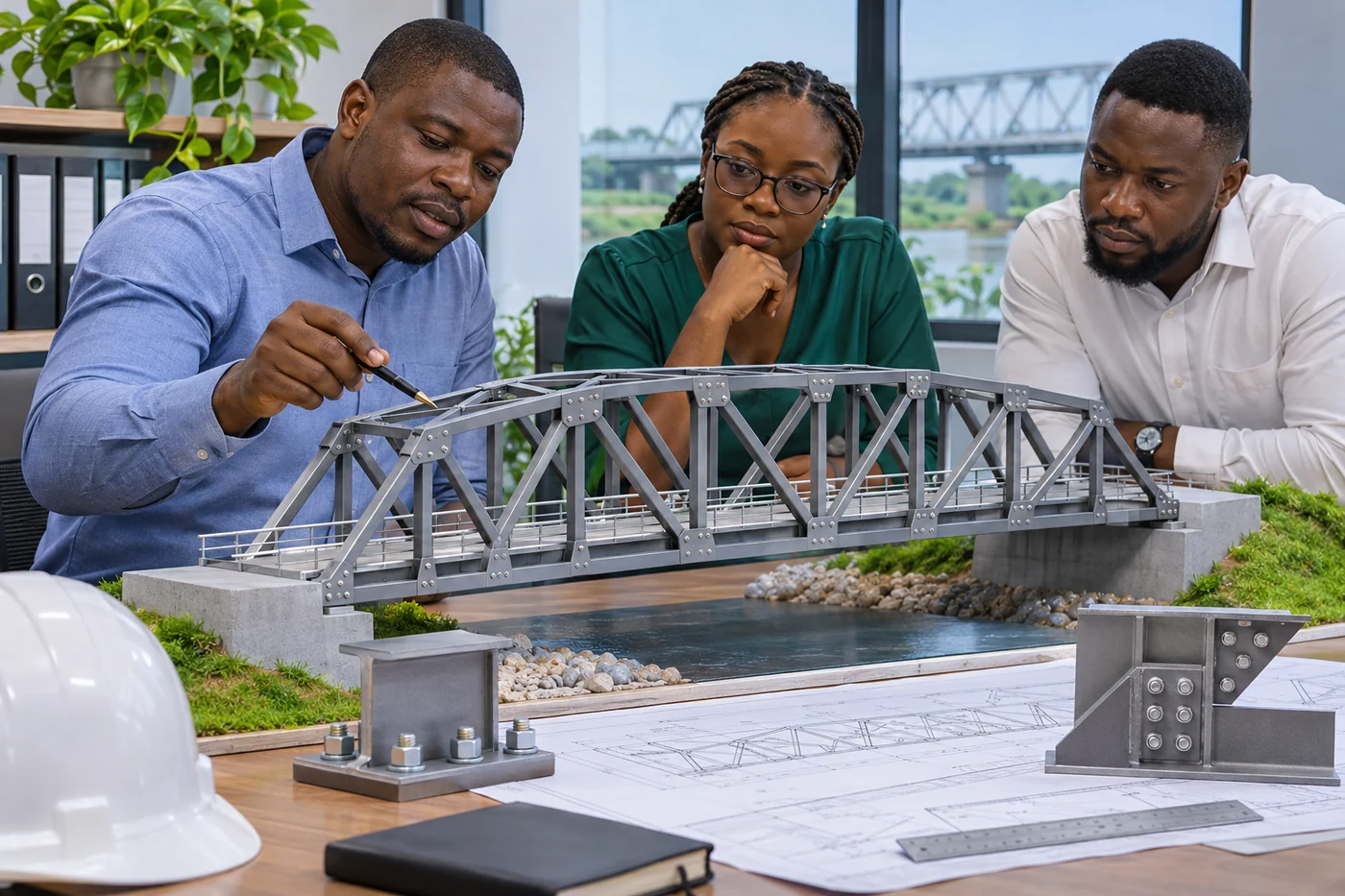
Structural-Steel Bridge Design
Design steel bridge members and connections, coordinating stability, fatigue, fabrication, erection conditions and protective treatment requirements.
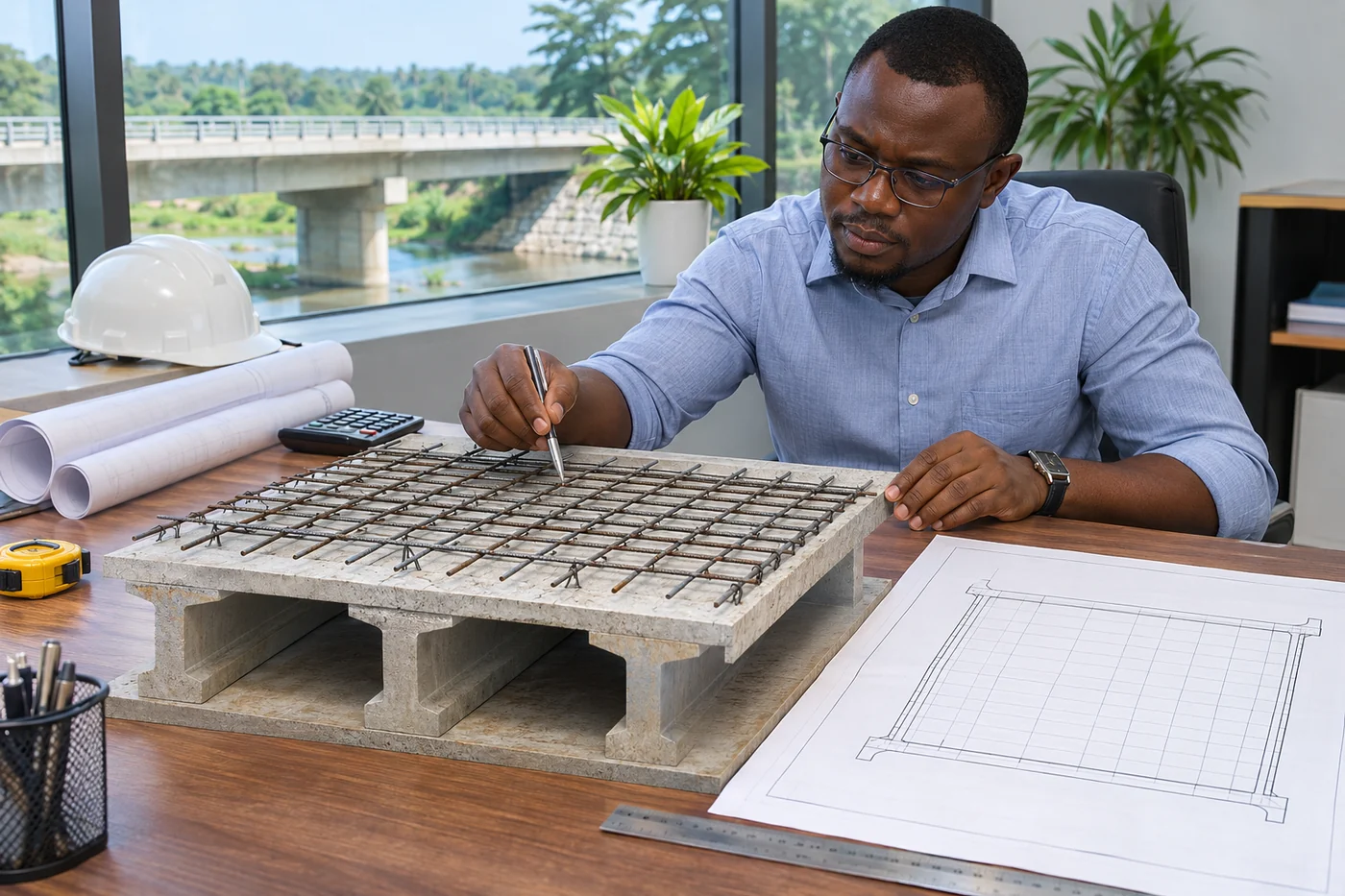
Bridge Deck-Slab Design
Analyse bridge deck slabs for wheel loading, distribution and support conditions, developing practical reinforcement and connection details.
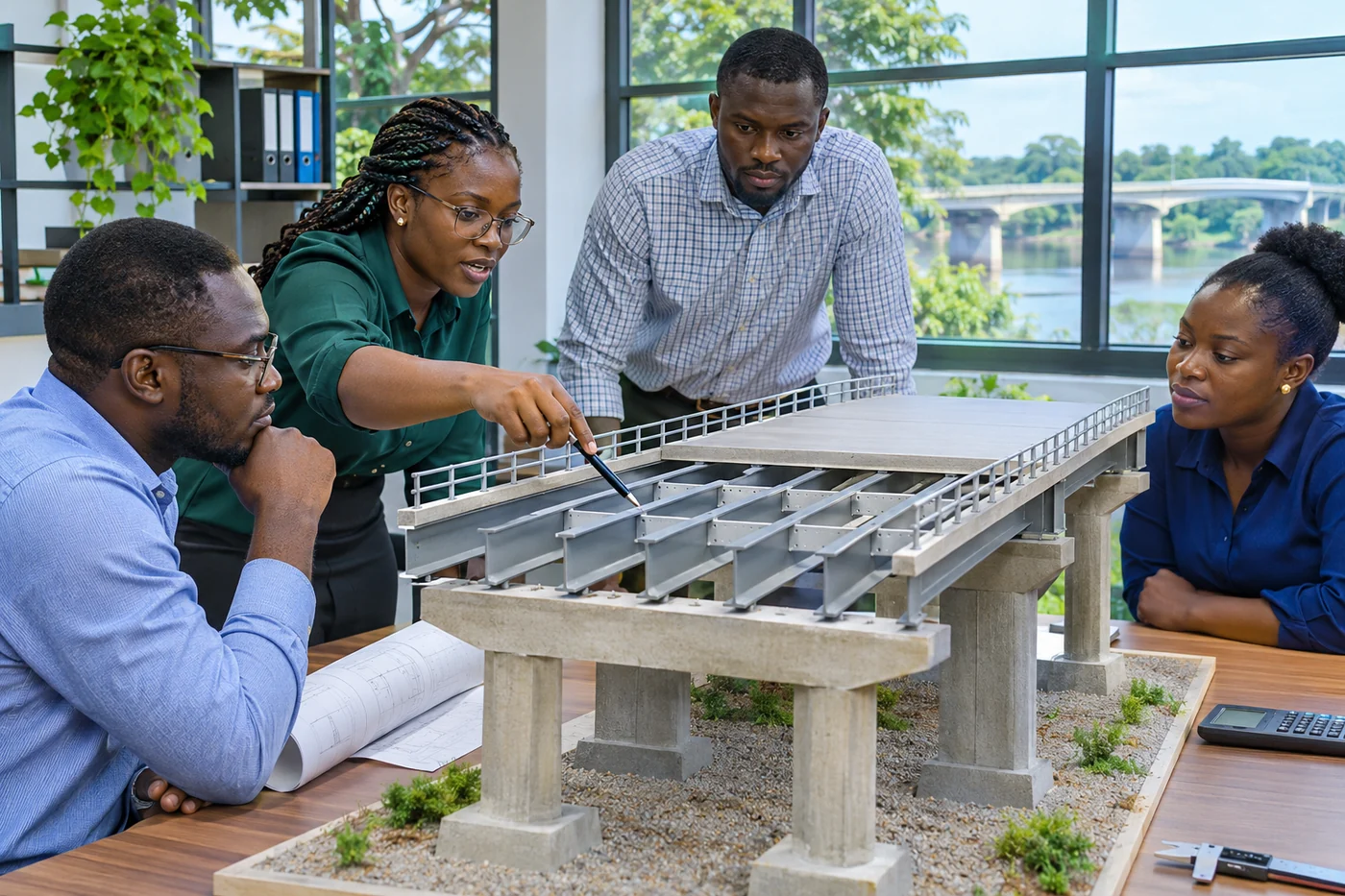
Bridge Superstructure Design
Design the load-carrying bridge system above the bearings, coordinating girders, decks, diaphragms and construction-stage behaviour.
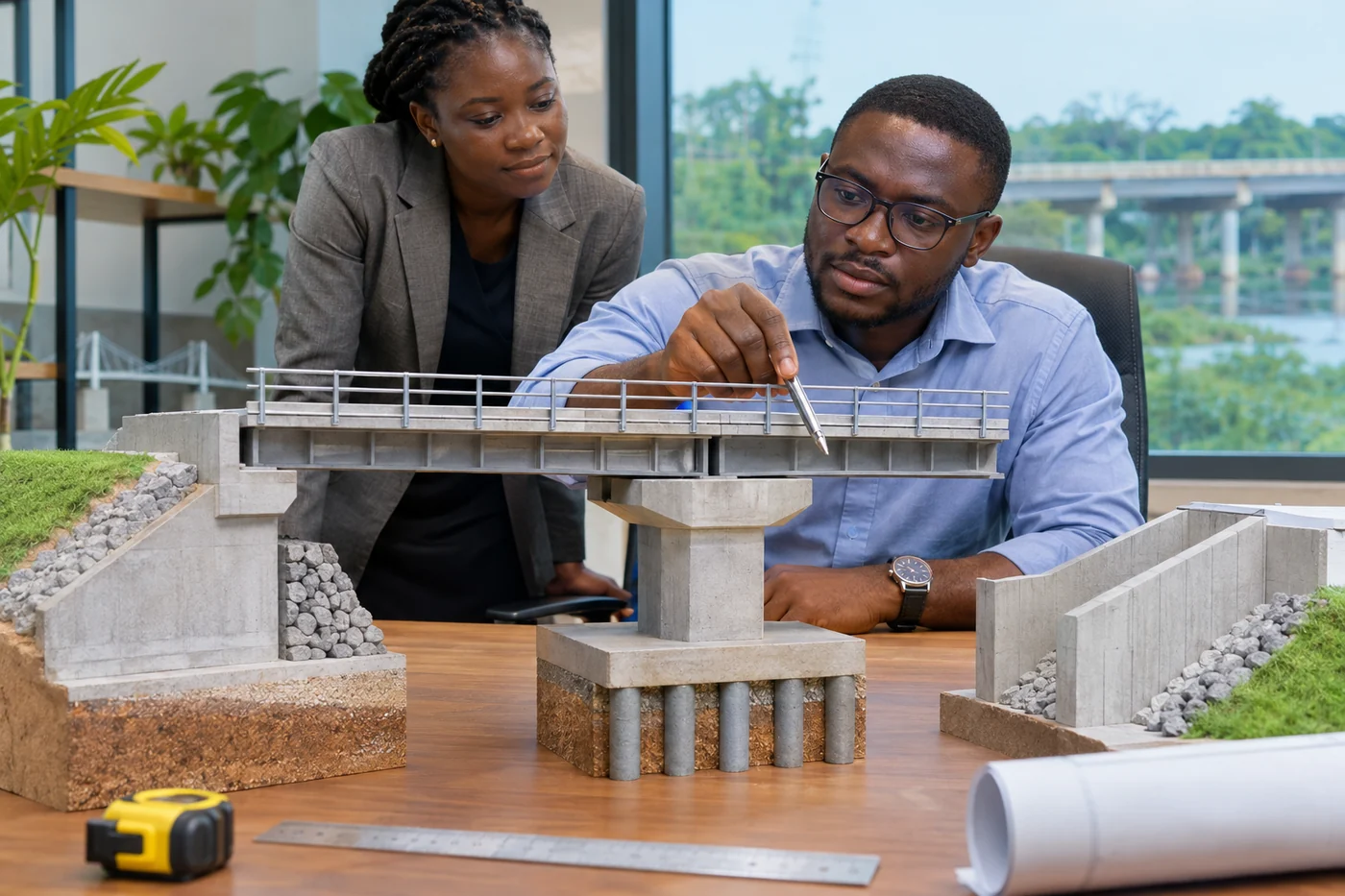
Bridge Substructure Design
Design piers, abutments and associated components to transfer bridge loads safely, coordinating earth pressure, bearing interfaces and foundation actions.
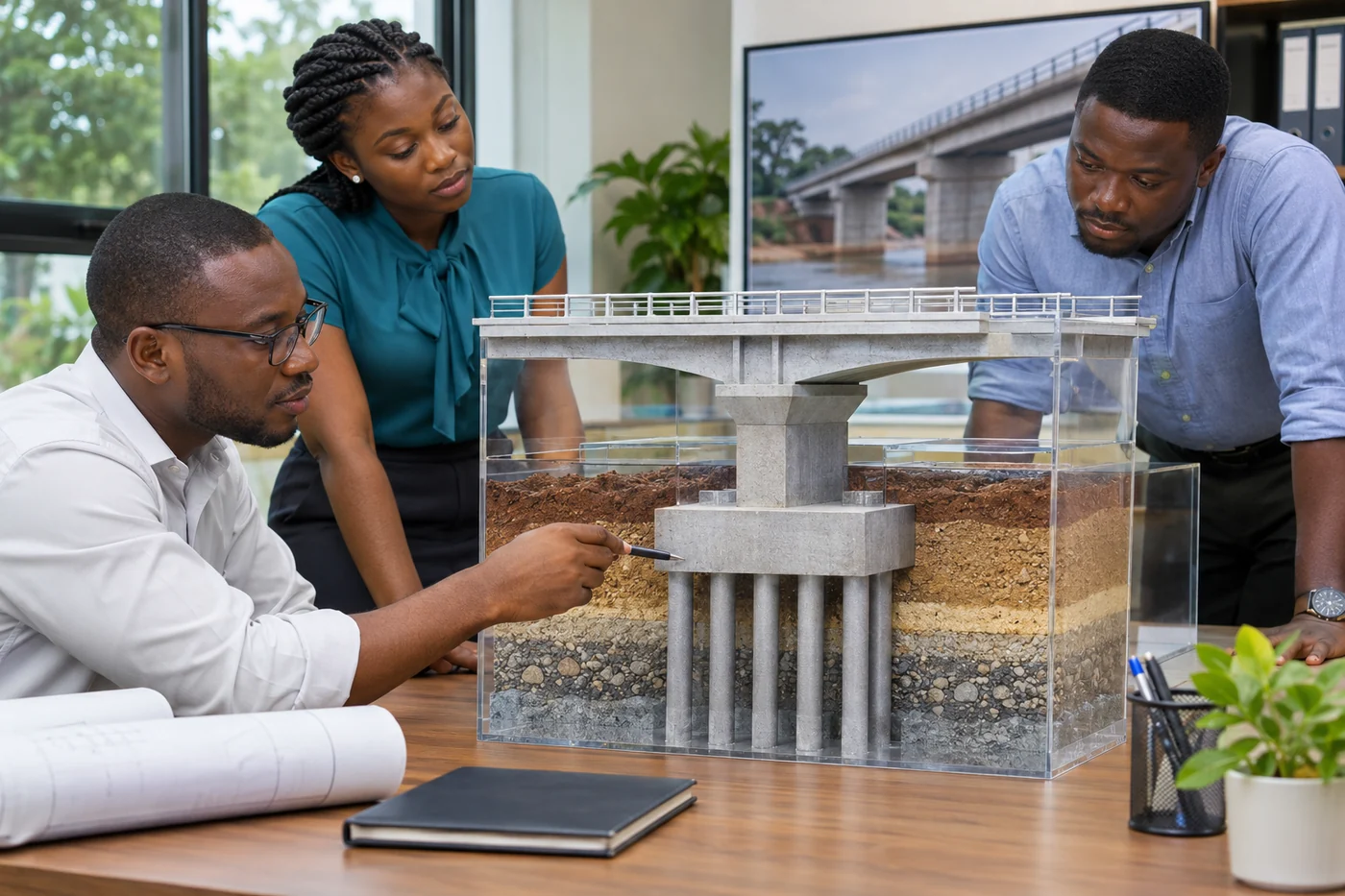
Bridge Foundation Design
Assess ground information and foundation options for bridge supports, developing designs that address bearing resistance, settlement and construction constraints.
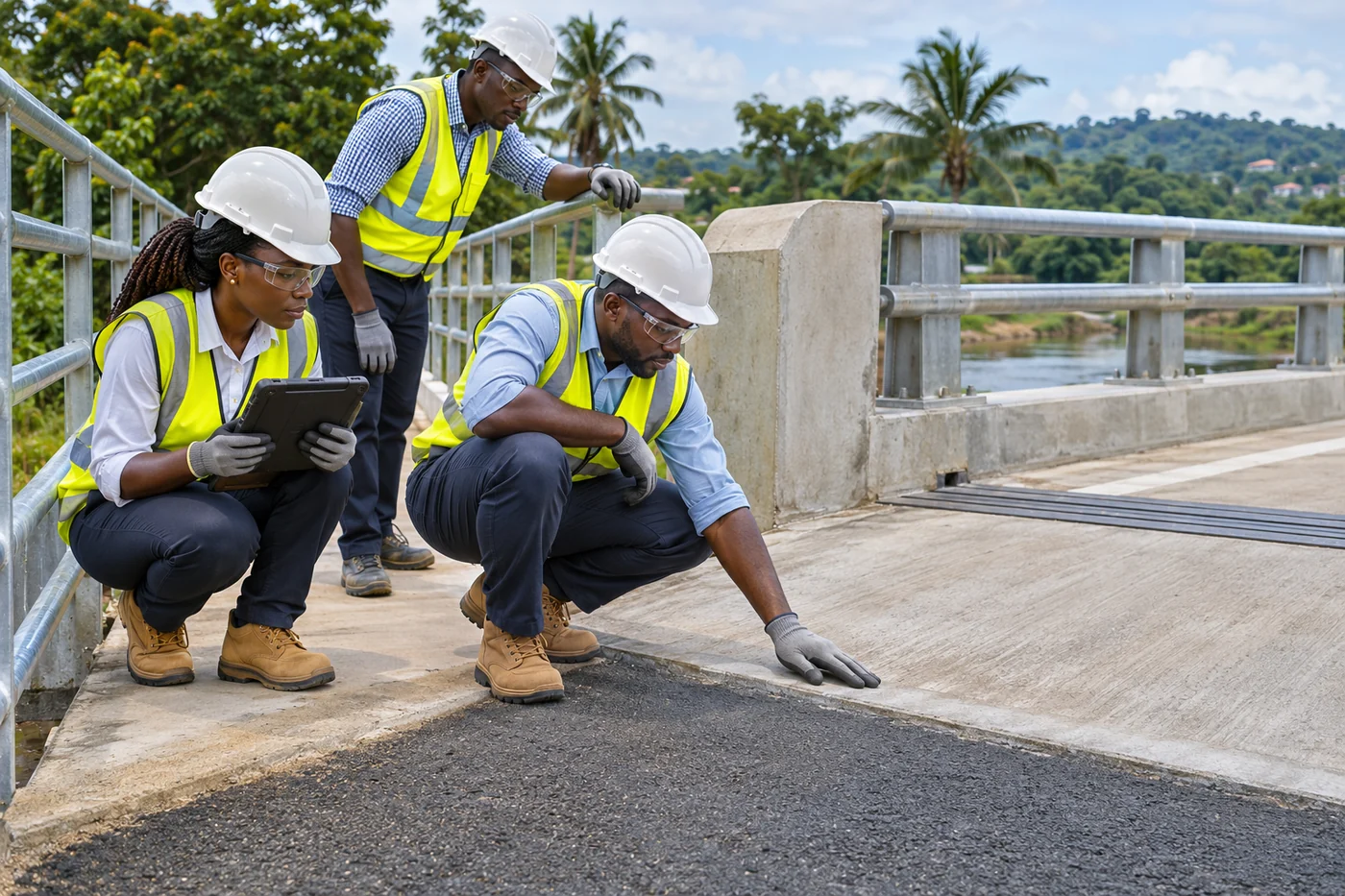
Bridge Approach-Slab Design
Design transition slabs between bridge and roadway, considering support conditions, movement, drainage and settlement-related ride quality.
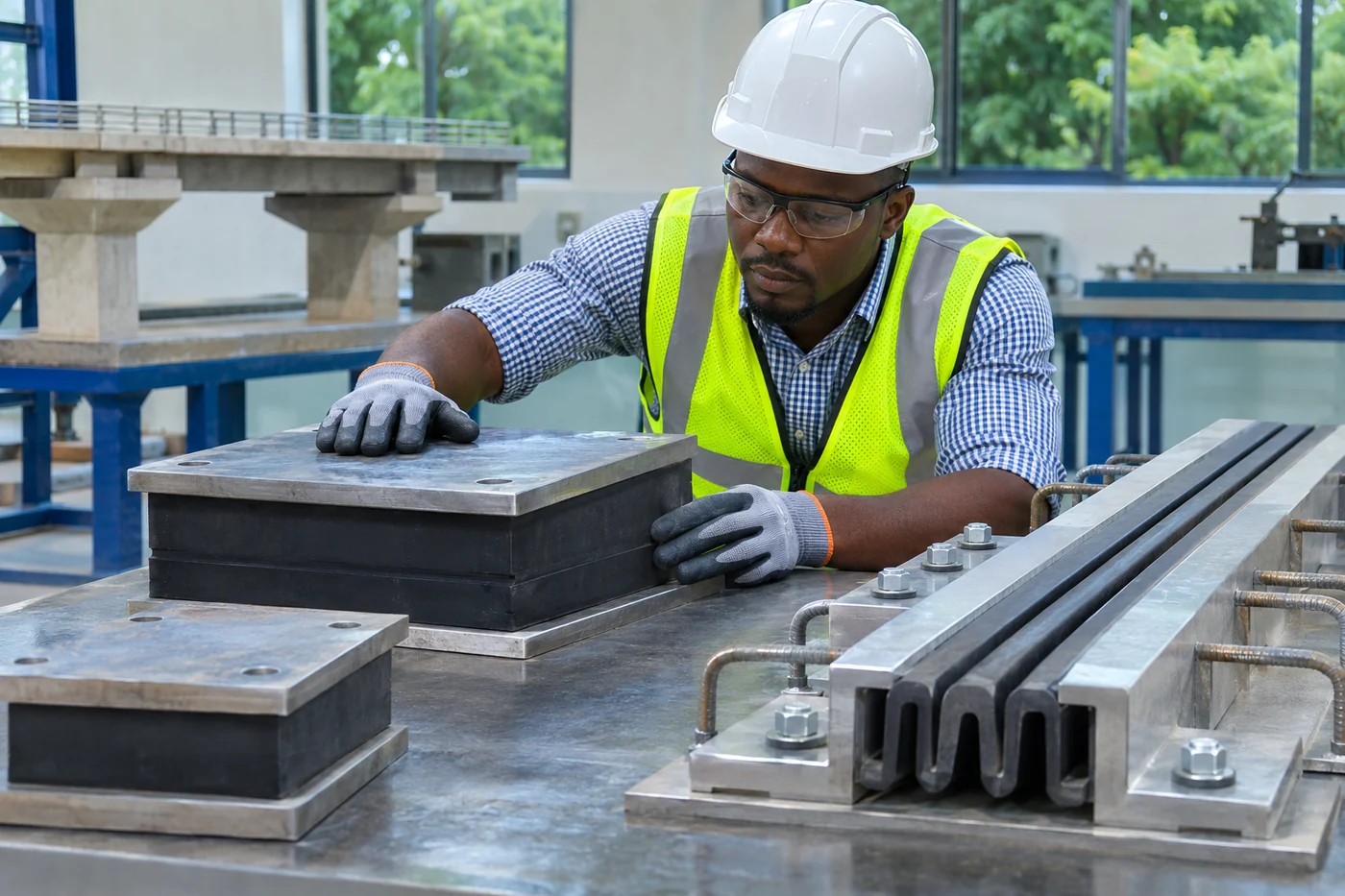
Bridge Bearing and Expansion-Joint Design
Select and detail bearings and joints for calculated movements, rotations and forces, with installation access and replacement arrangements considered.
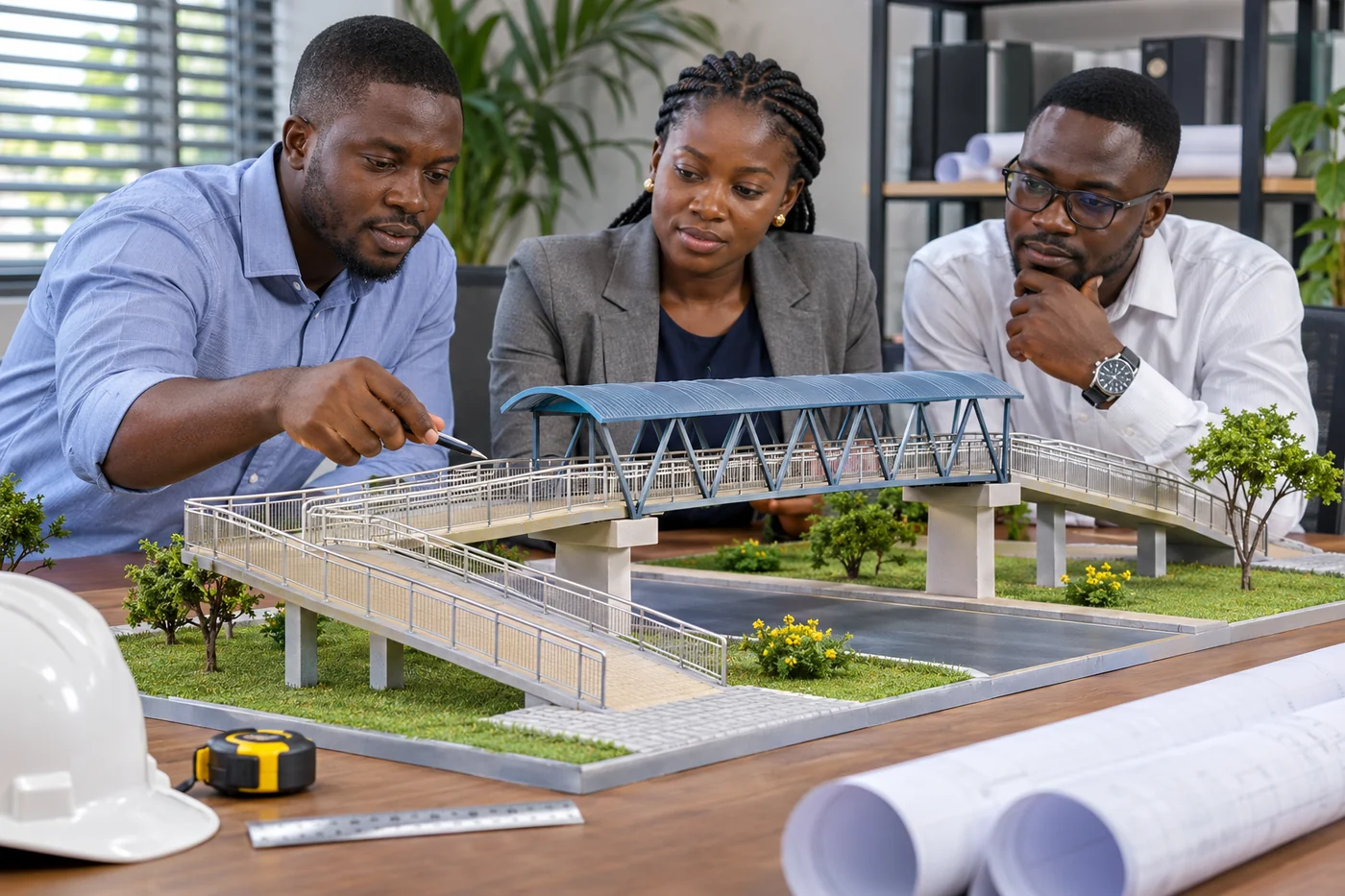
Pedestrian and Footbridge Design
Develop accessible pedestrian crossing structures, coordinating layout, clearances, structural behaviour, drainage and safe approach connections.
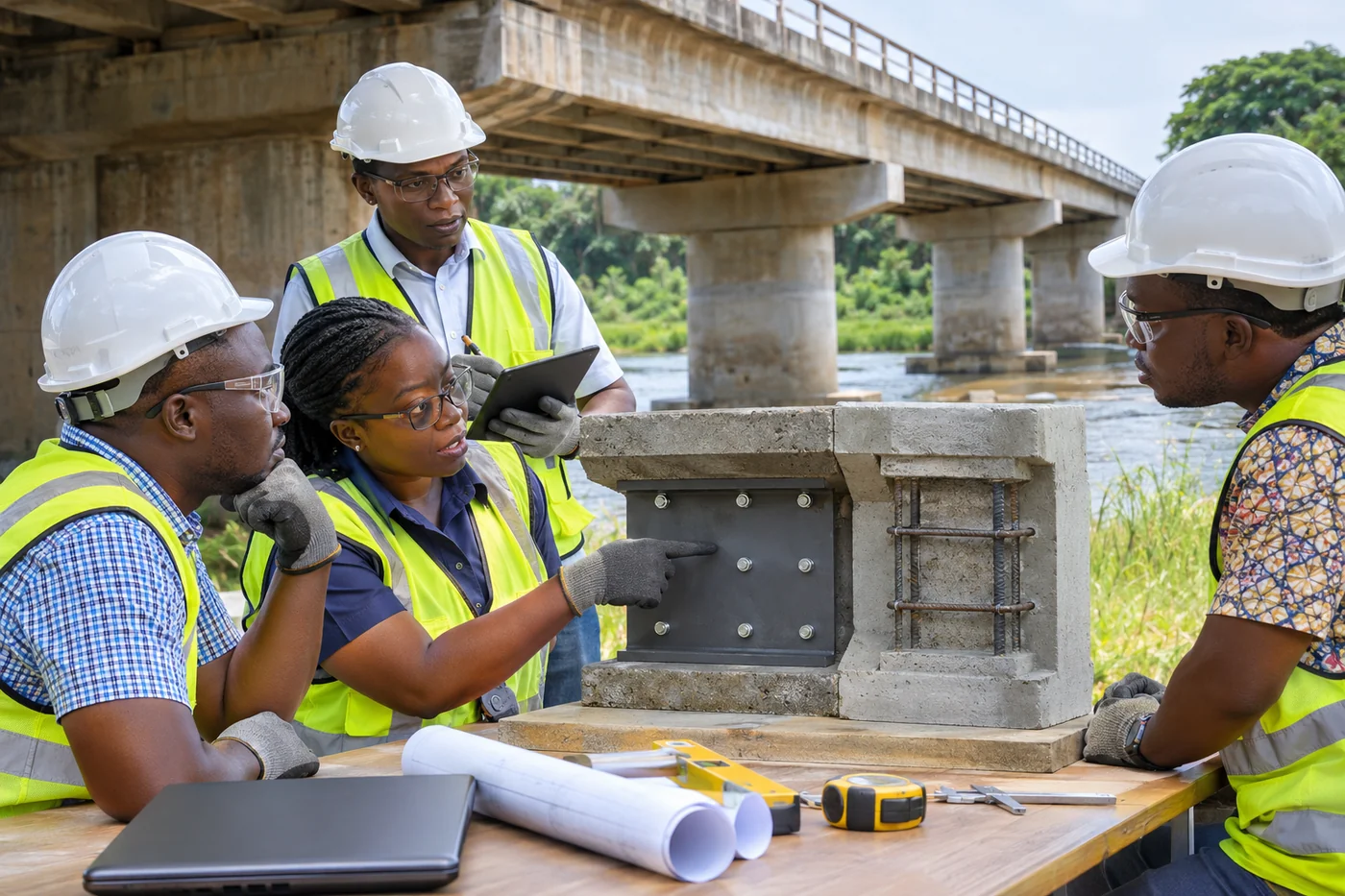
Bridge Rehabilitation and Strengthening Design
Assess existing bridge deficiencies and develop strengthening or rehabilitation measures, including structural interfaces, durability and construction staging.

Building Structural Design
Design building frames and structural elements around agreed loading, layout and ground information, coordinating detailing and architectural interfaces.
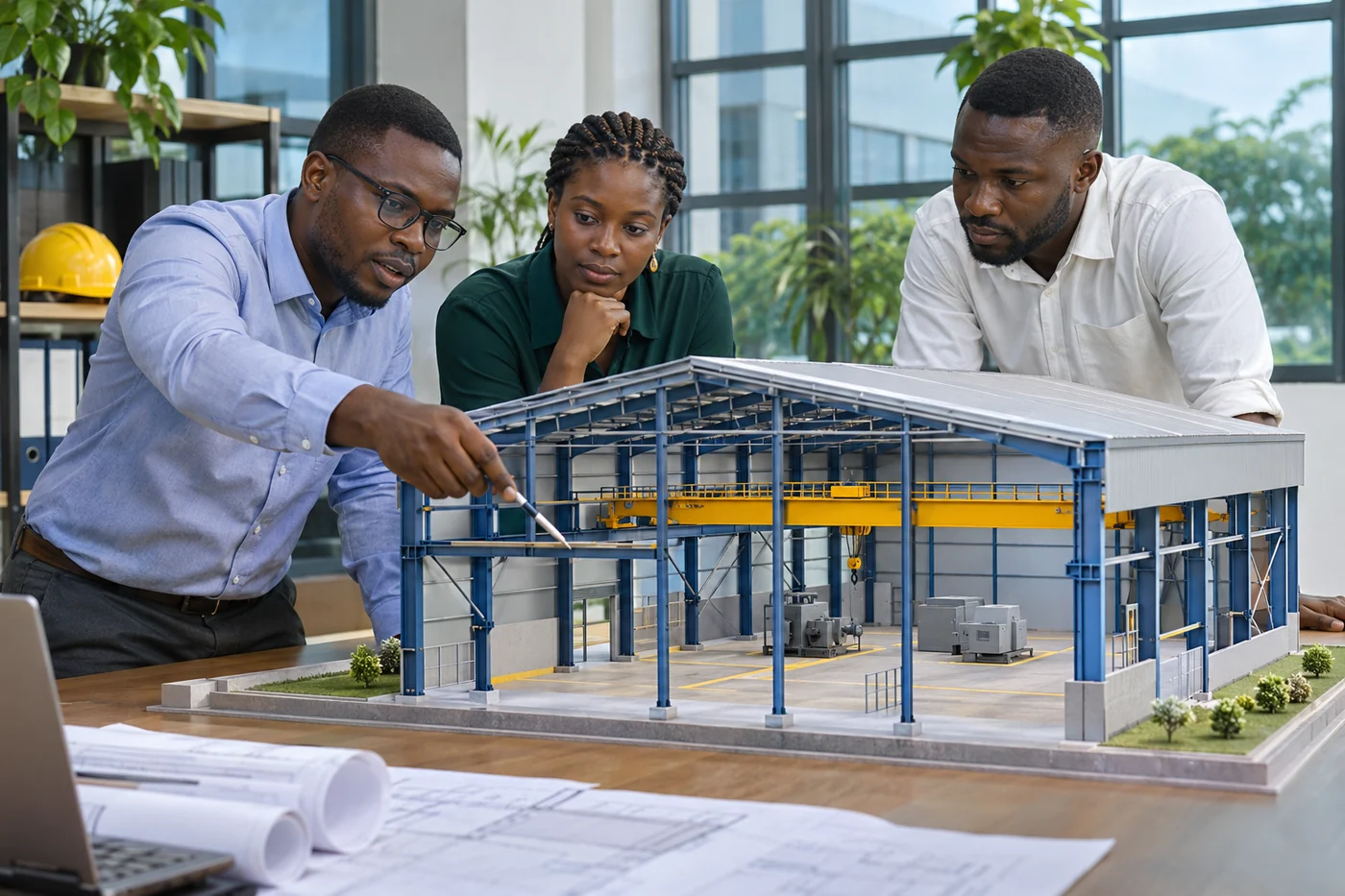
Industrial Structure Design
Develop structural designs for industrial buildings and plant-support arrangements, considering equipment actions, access, durability and construction requirements.
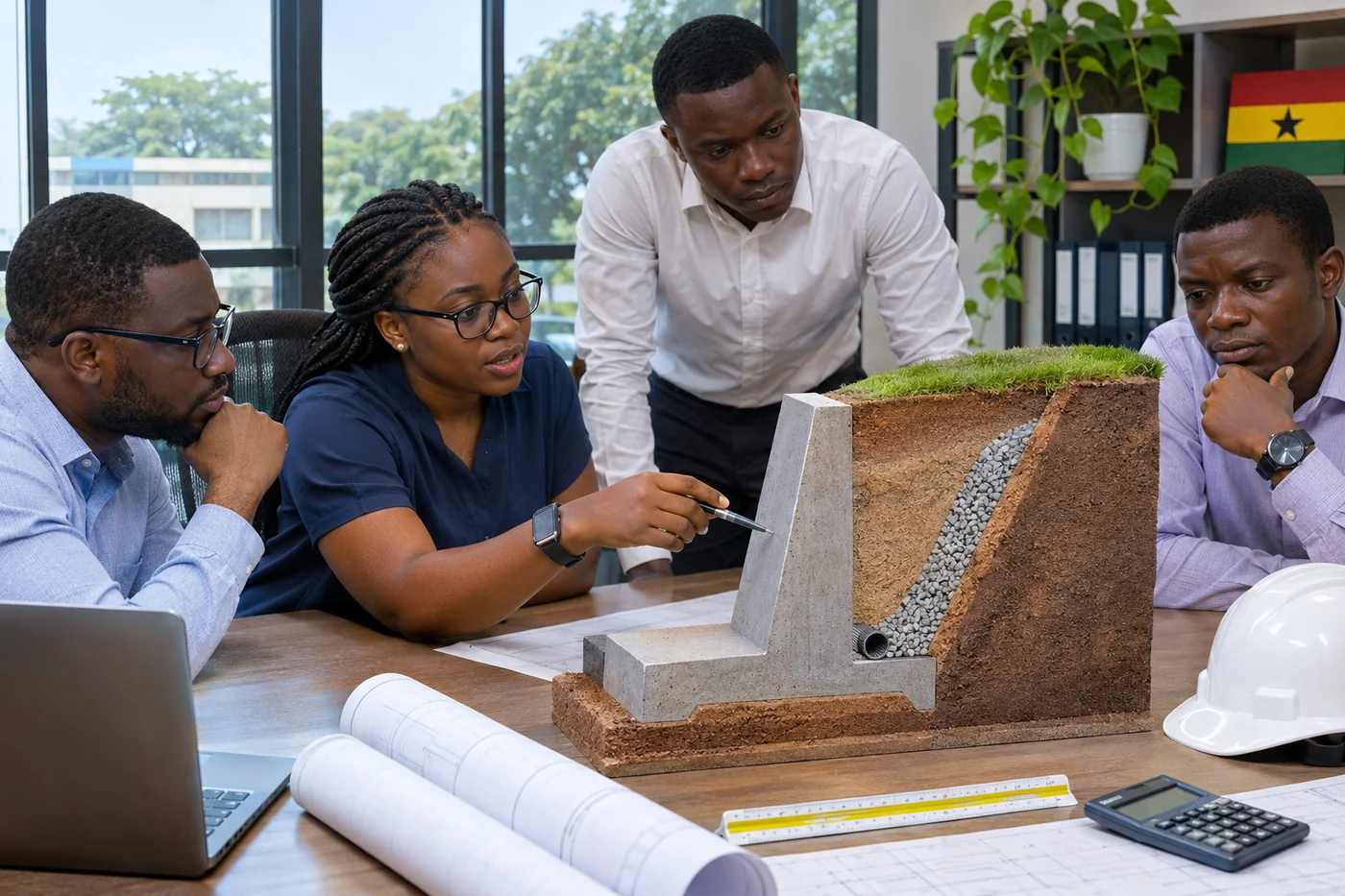
Retaining Structure Design
Design retaining systems for site and ground conditions, considering stability, structural resistance, drainage and adjacent infrastructure interfaces.
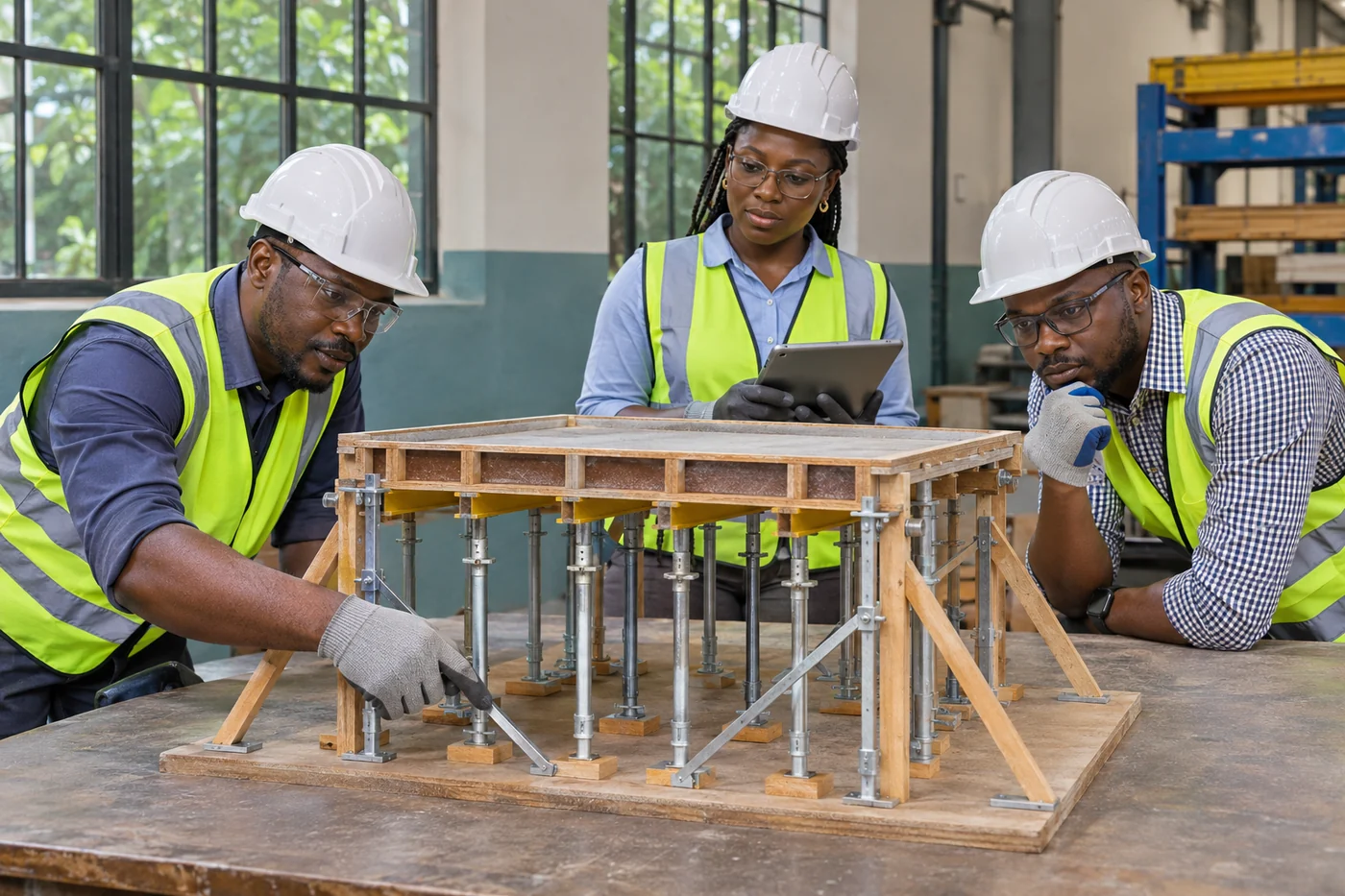
Temporary Works Design and Review
Design or independently review temporary structural arrangements, documenting loading, stability, sequencing, inspection requirements and limits of use.
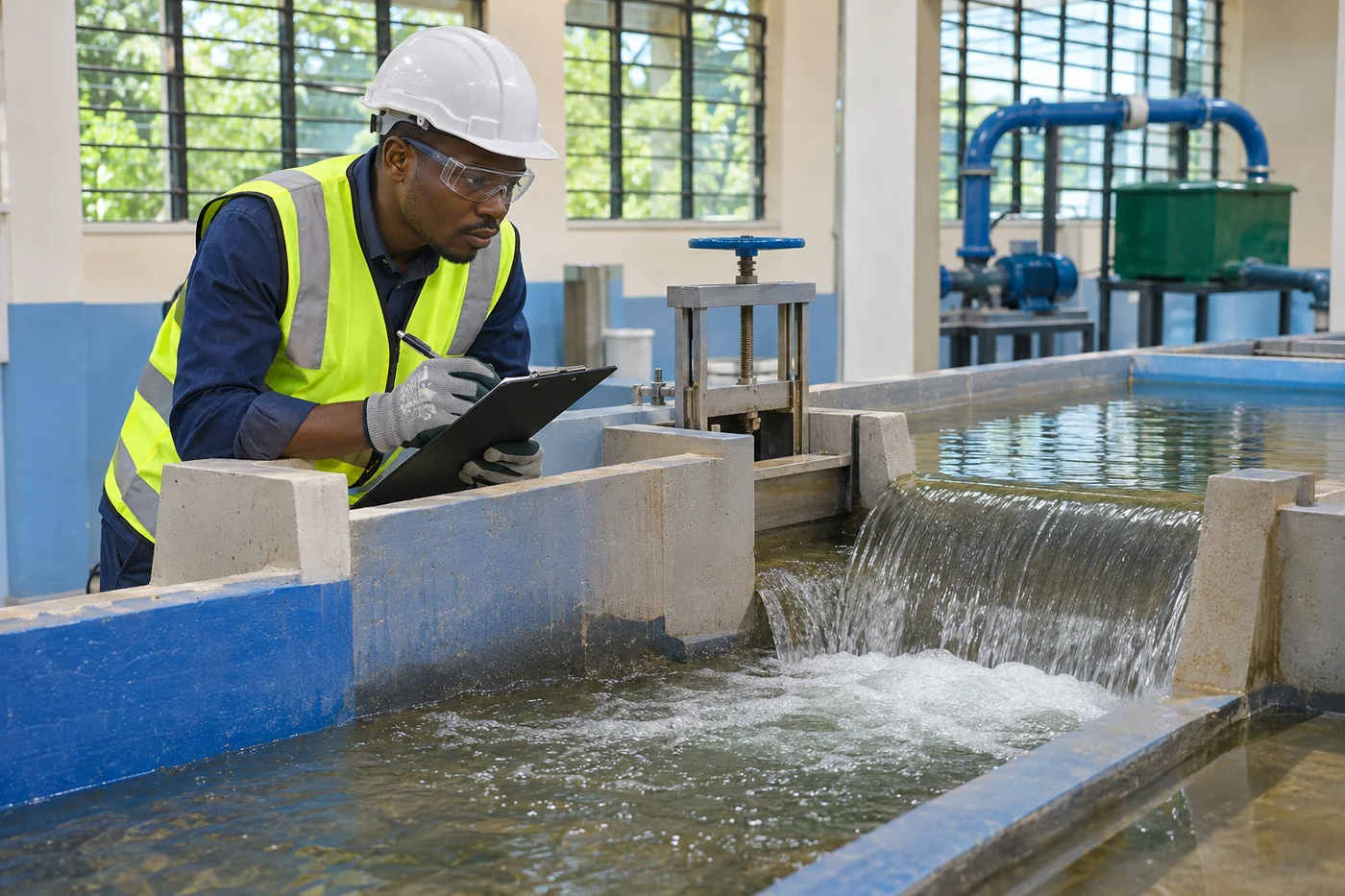
Hydraulic Structure Design
Develop structural and hydraulic arrangements for water-control infrastructure, coordinating flow conditions, ground support, durability and maintenance access.
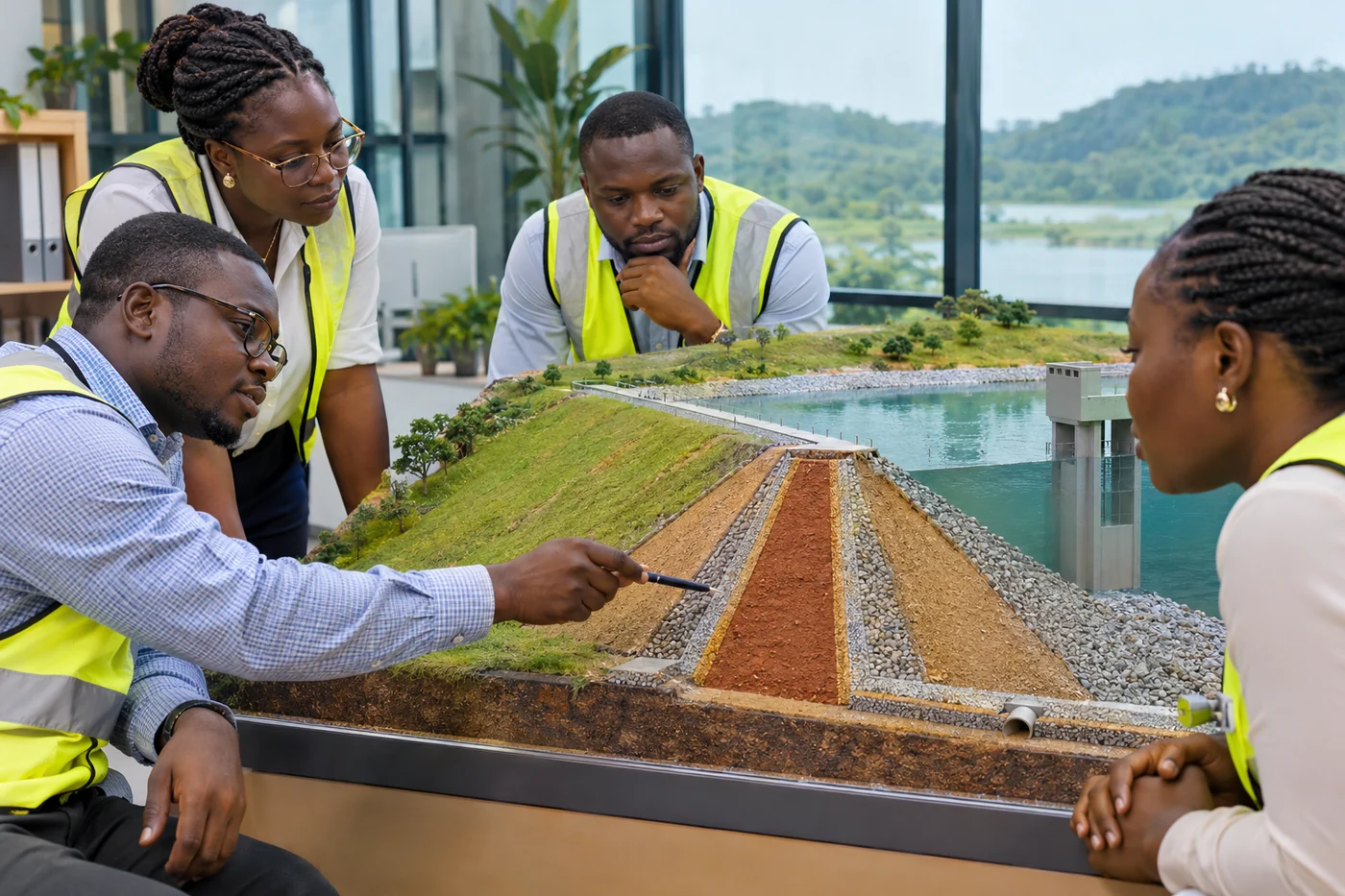
Dam and Embankment Engineering
Assess dam and embankment engineering requirements, coordinating geotechnical information, drainage, stability, construction materials and monitoring provisions.
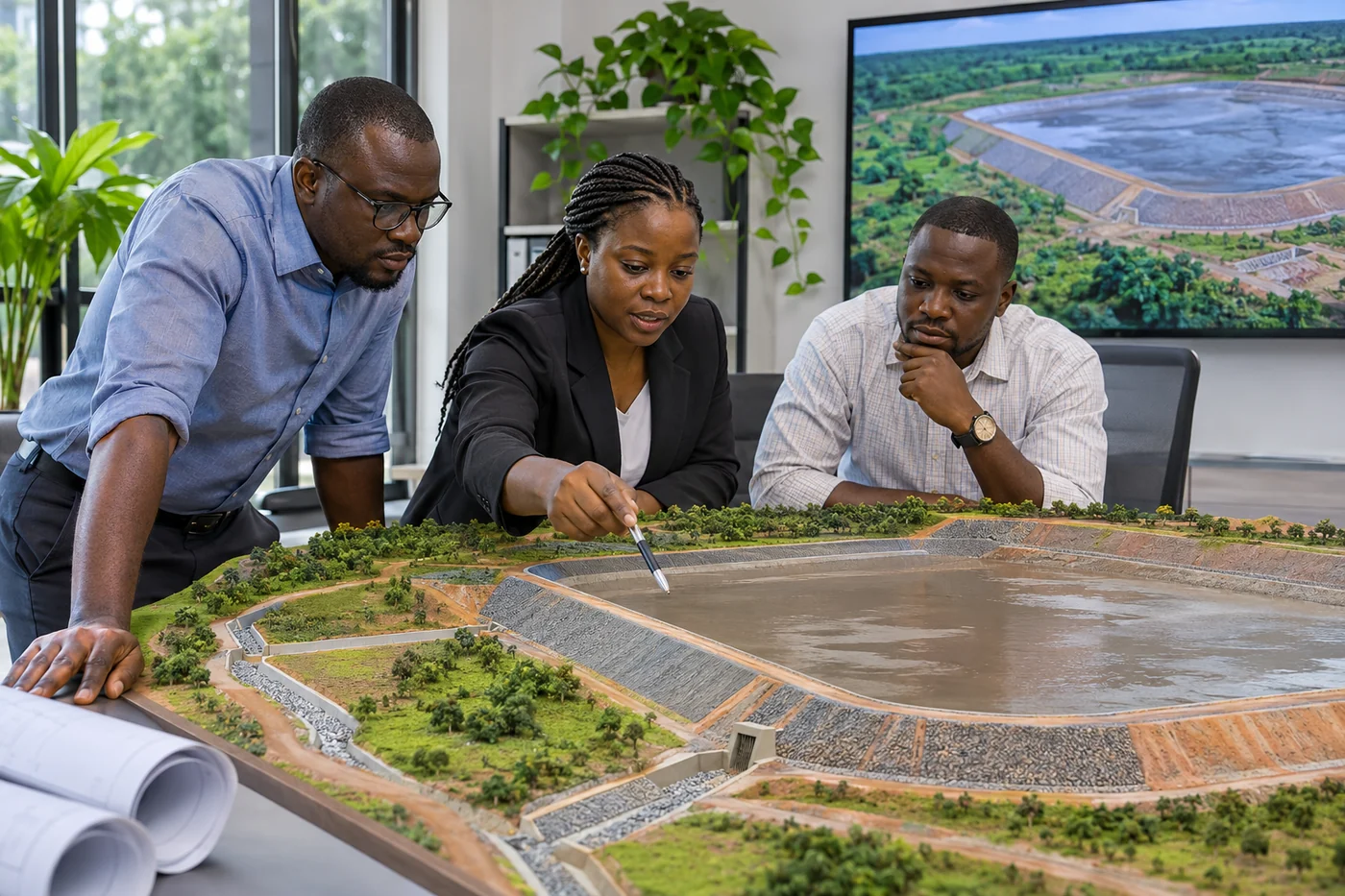
Tailings Storage Facility Engineering
Provide engineering input to tailings storage facilities within the agreed scope, coordinating earthworks, drainage, containment and operational design interfaces.
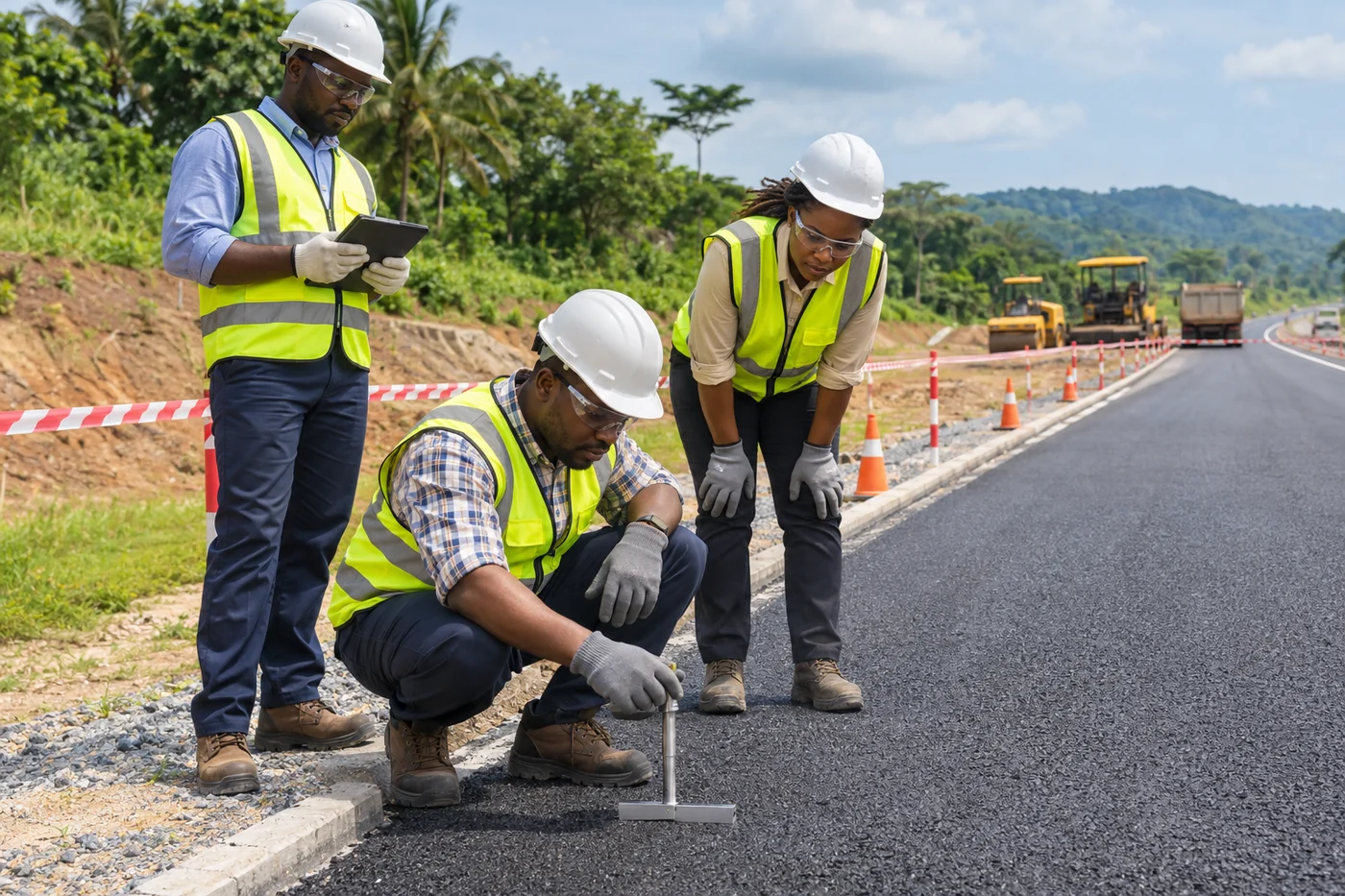
Road and Highway Construction Supervision
Supervise road construction against approved drawings and specifications, recording inspections, quality findings, progress and matters requiring corrective action.
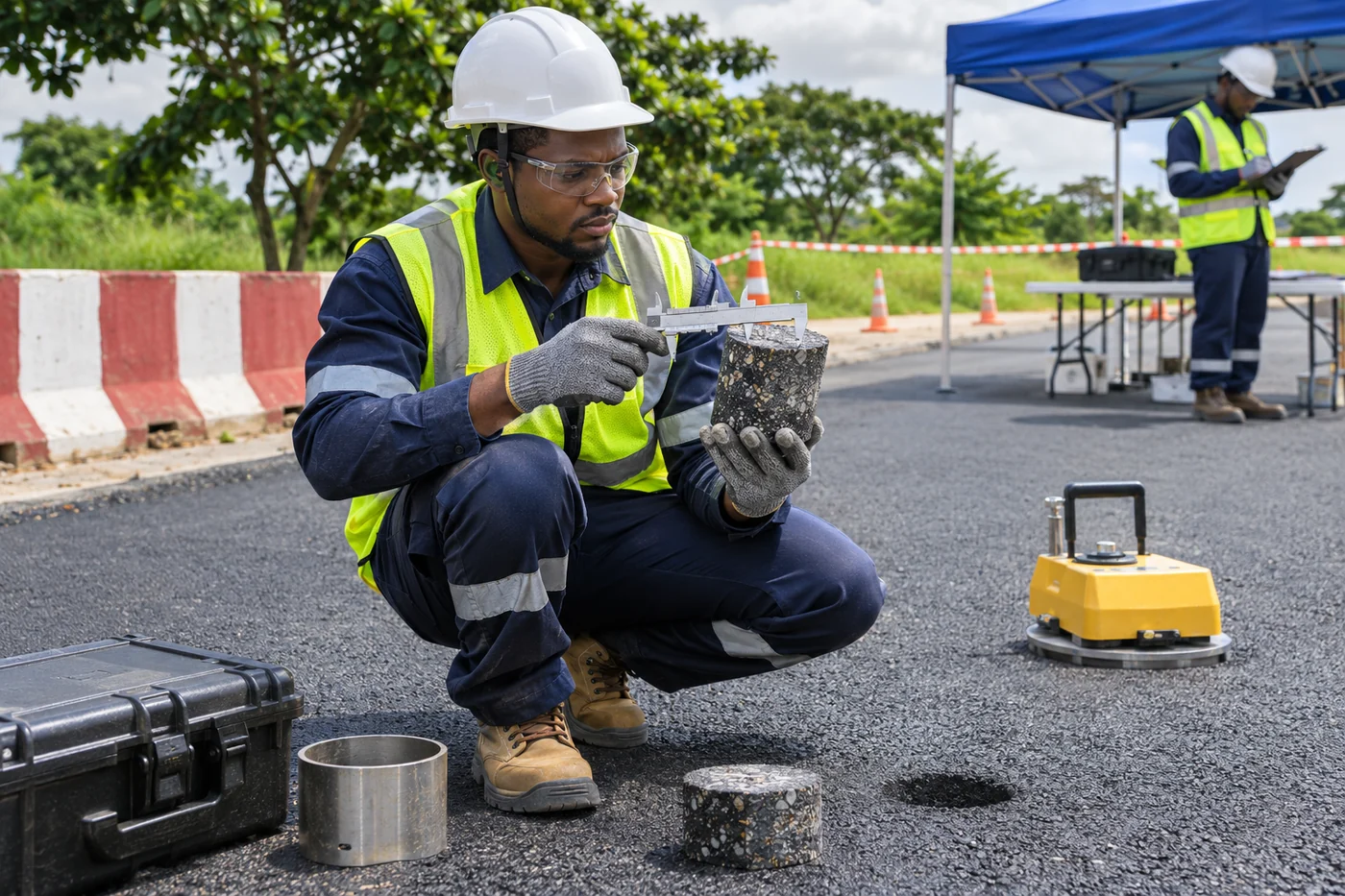
Asphalt-Pavement Supervision
Inspect asphalt production, delivery, laying and compaction, reviewing temperature, thickness, density and surface-quality evidence against project requirements.
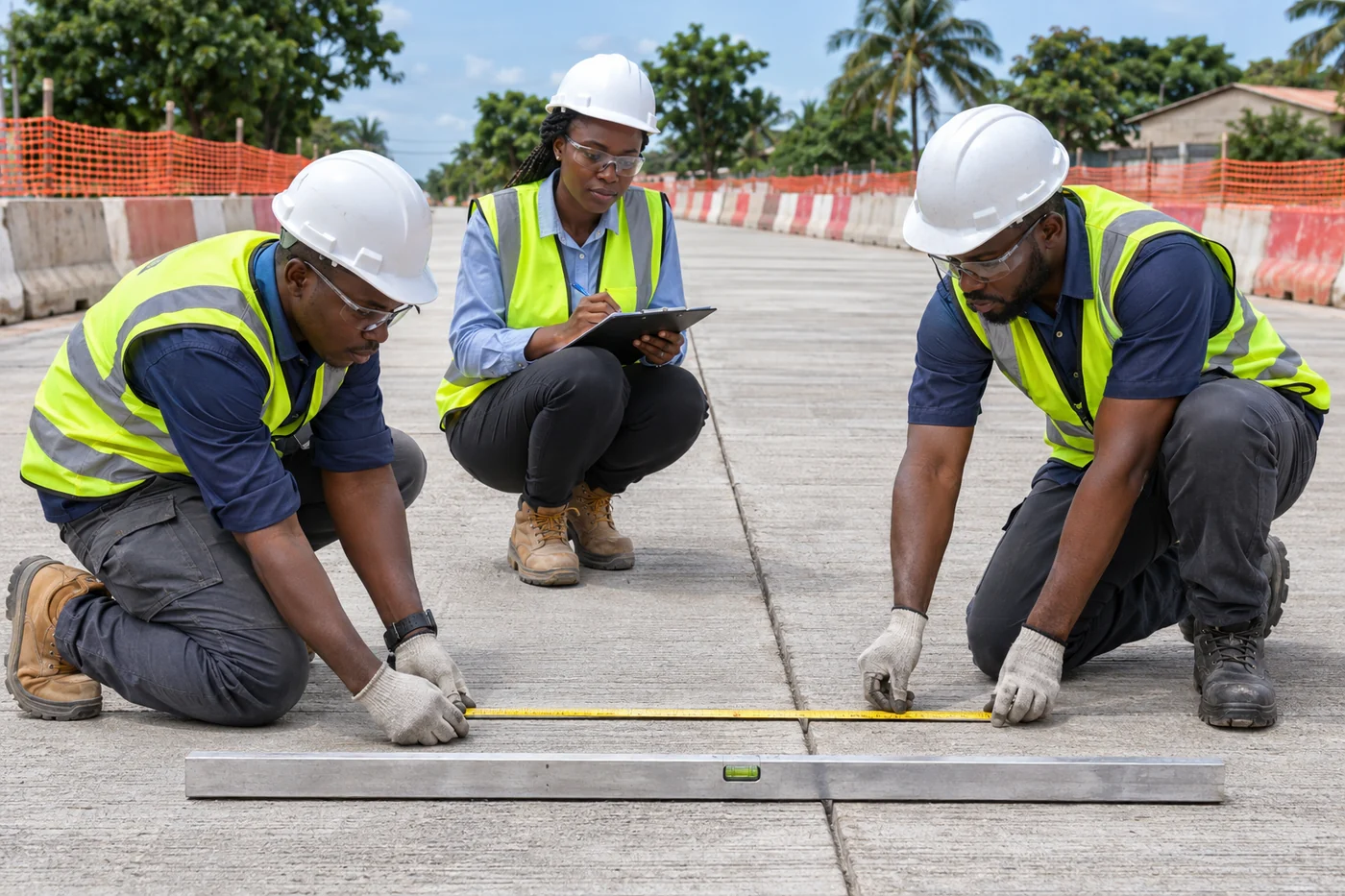
Concrete-Pavement Supervision
Inspect concrete pavement preparation, placement, finishing, joints and curing, coordinating quality records and corrective actions for identified defects.
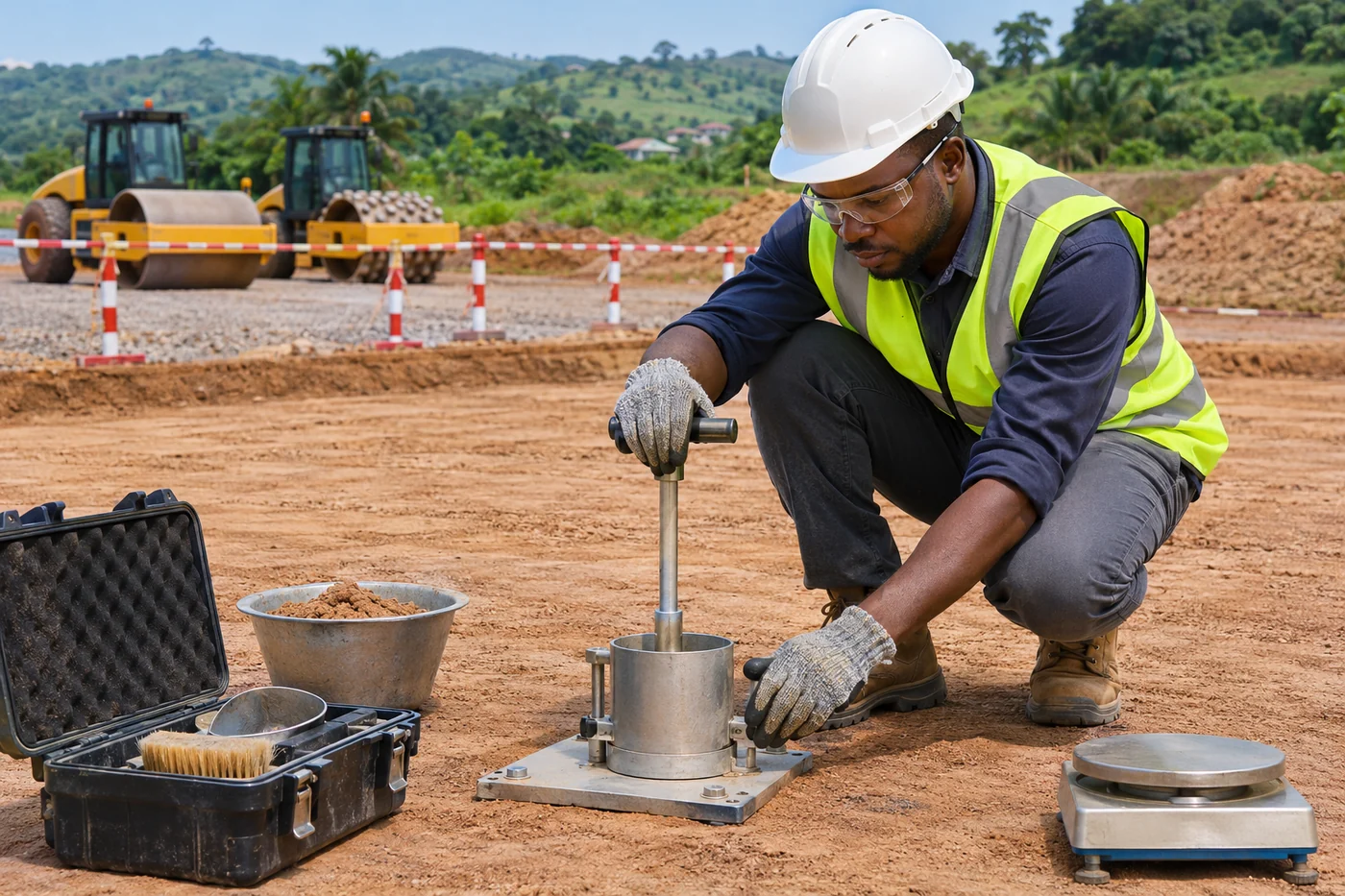
Earthworks and Ground-Improvement Supervision
Monitor earthworks and ground improvement through formation checks, material suitability, layer control and compaction verification against approved requirements.
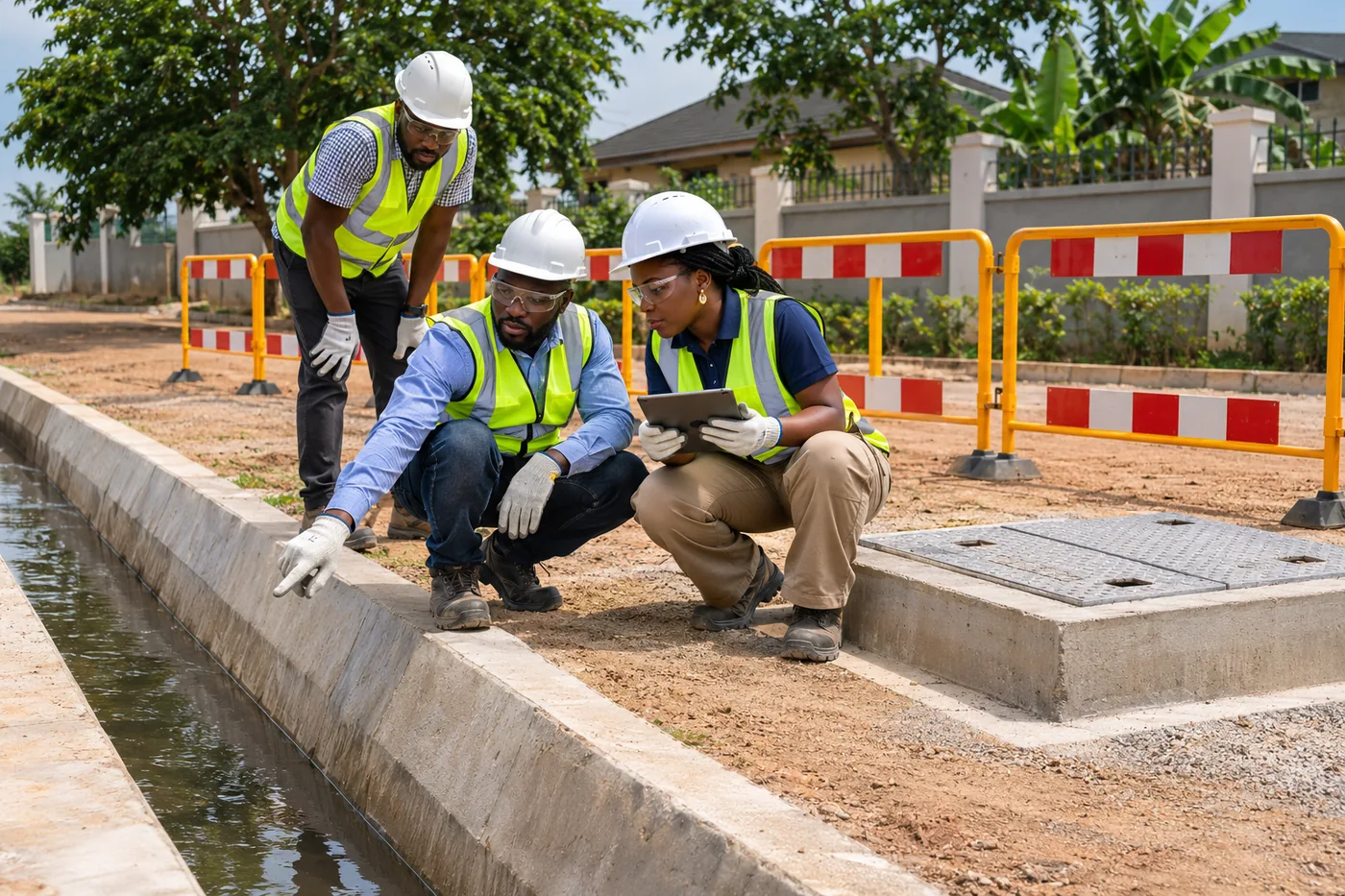
Drainage and Utility Construction Supervision
Inspect drainage and utility construction, coordinating line, level, bedding, connections, testing and protection of existing services.
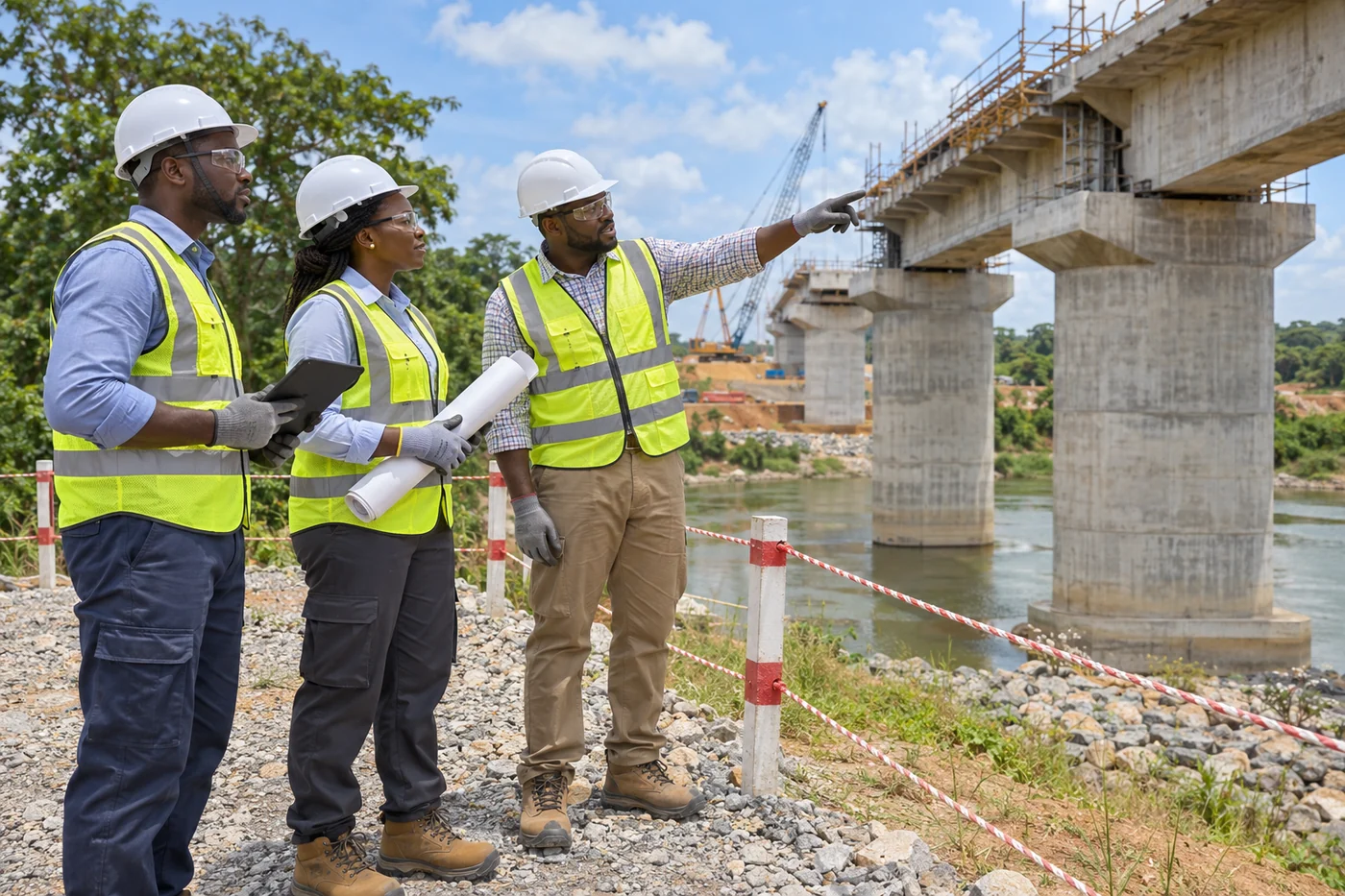
Bridge Construction Supervision
Supervise bridge works through staged inspections of structural elements, construction methods, workmanship and quality records against approved requirements.
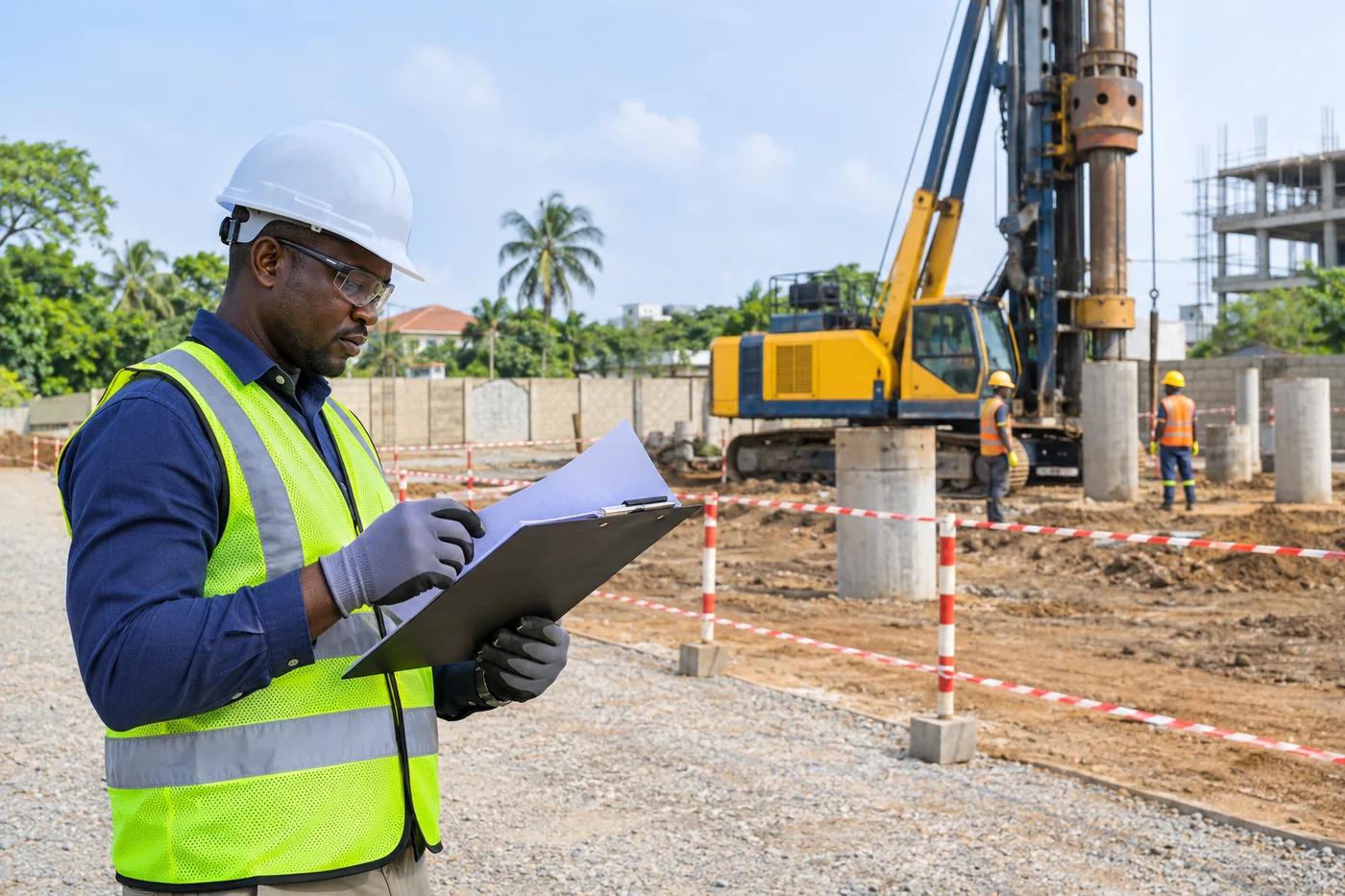
Piling and Foundation Supervision
Inspect foundation construction and piling activities, reviewing setting-out, ground records, installation parameters, testing and acceptance evidence.
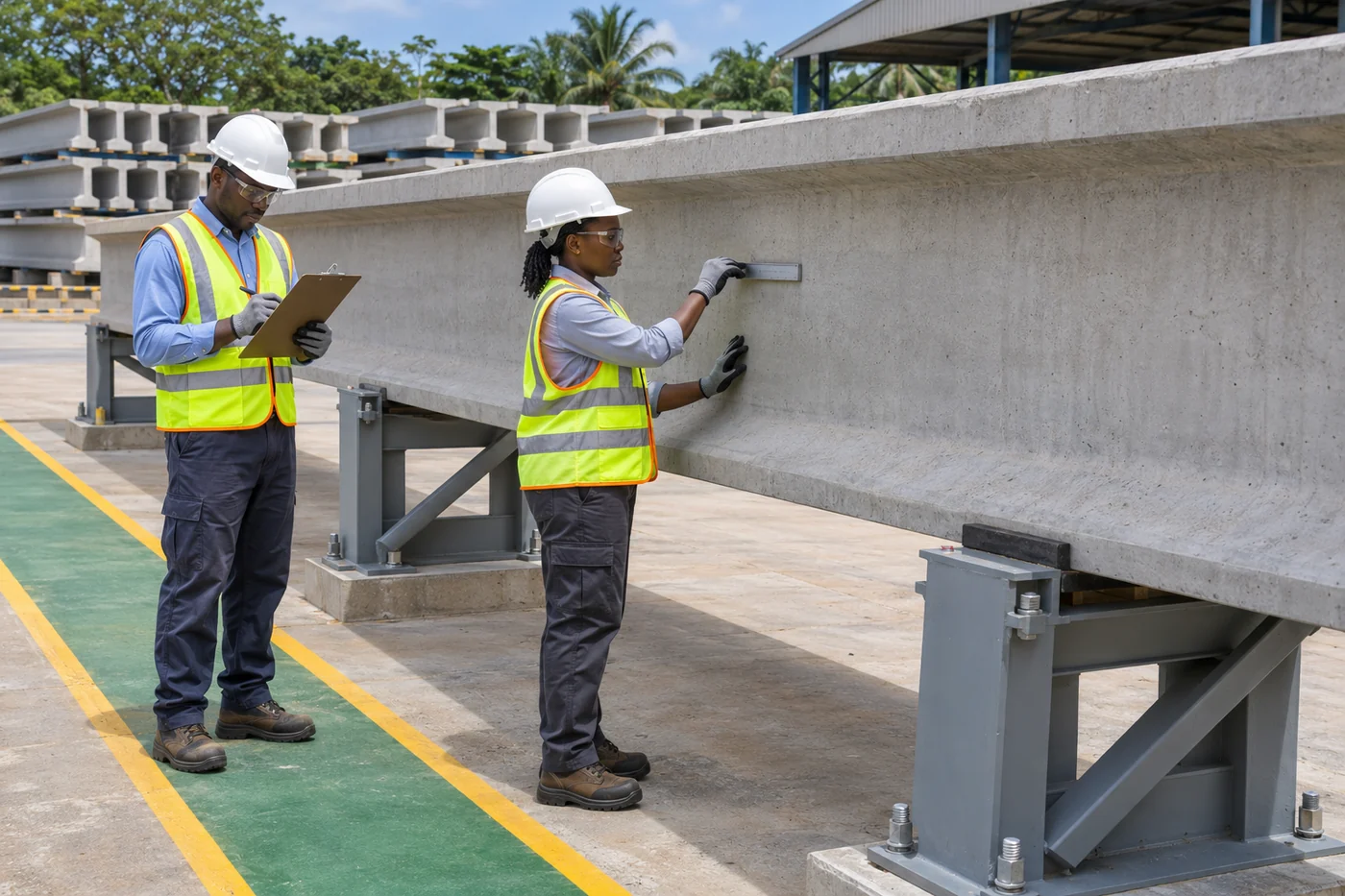
Prestressed-Girder Fabrication and Erection Supervision
Monitor girder fabrication, prestressing, storage, transport and erection against approved methods, with attention to temporary stability and hold points.
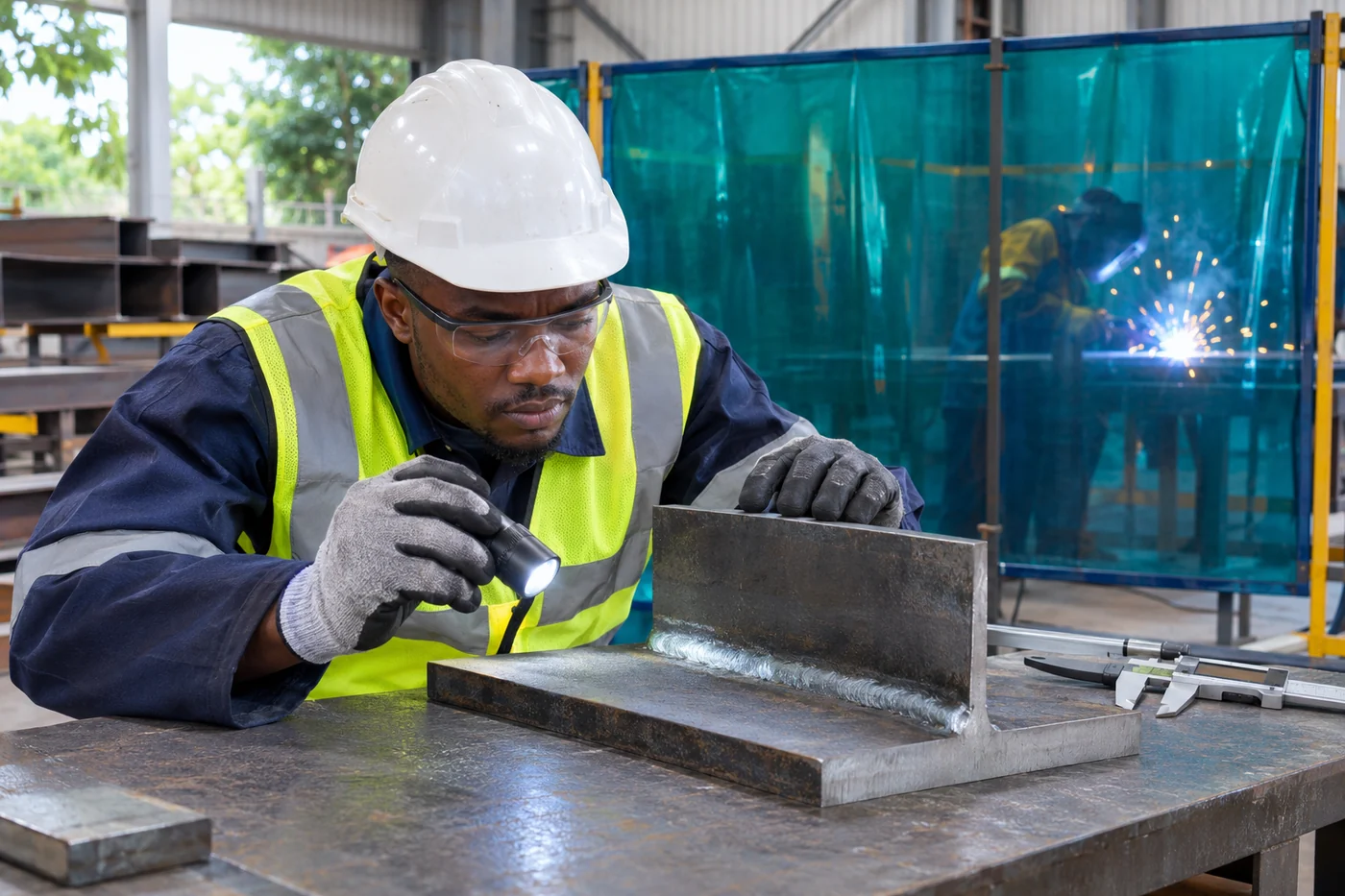
Structural-Steel Fabrication and Erection Supervision
Inspect steel fabrication, welding, bolting, protective systems and erection, coordinating traceable records and the review of temporary stability provisions.
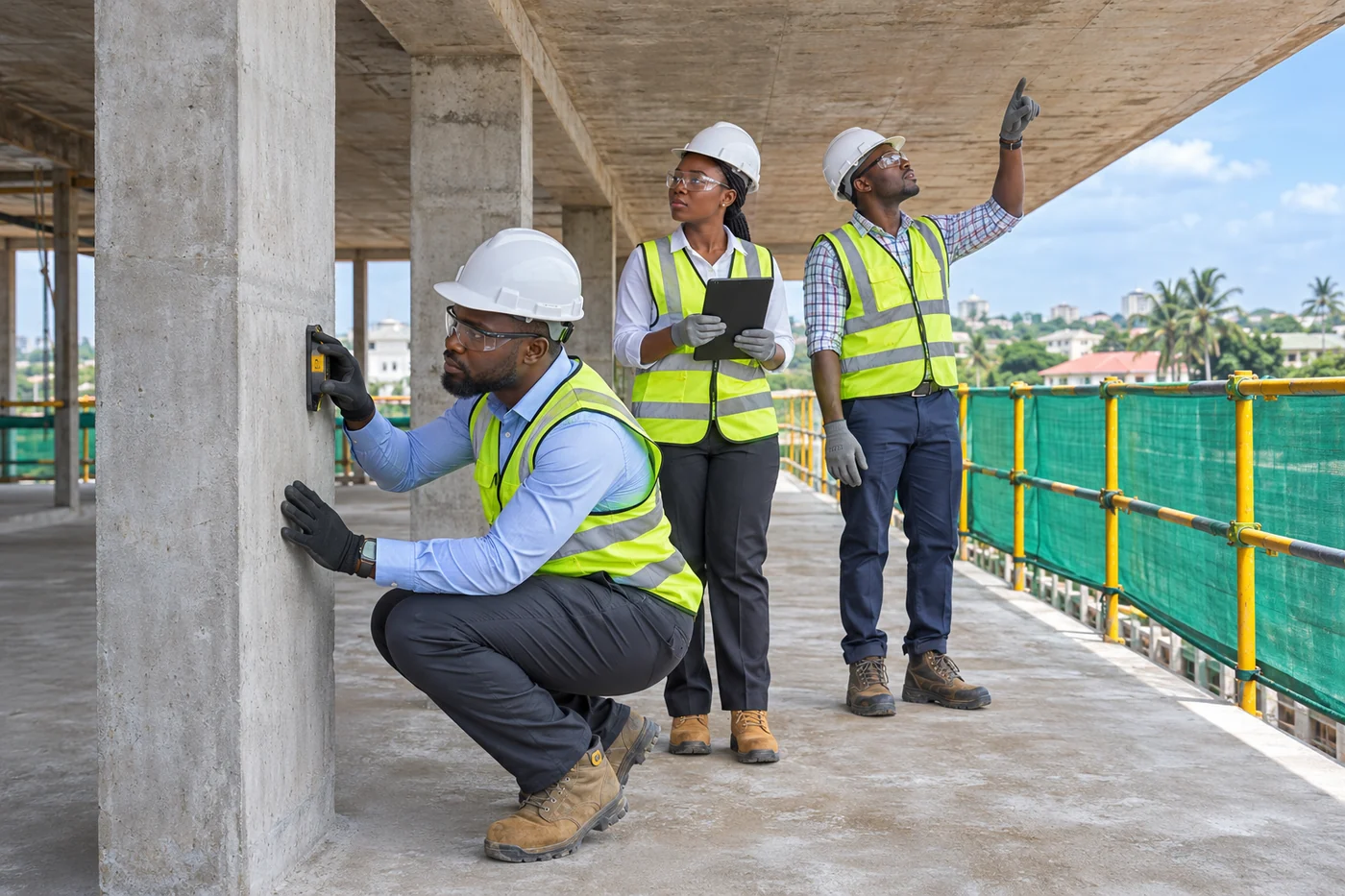
Building Construction Supervision
Inspect structural and associated building works against approved information, documenting workmanship, interfaces, quality concerns and completion status.
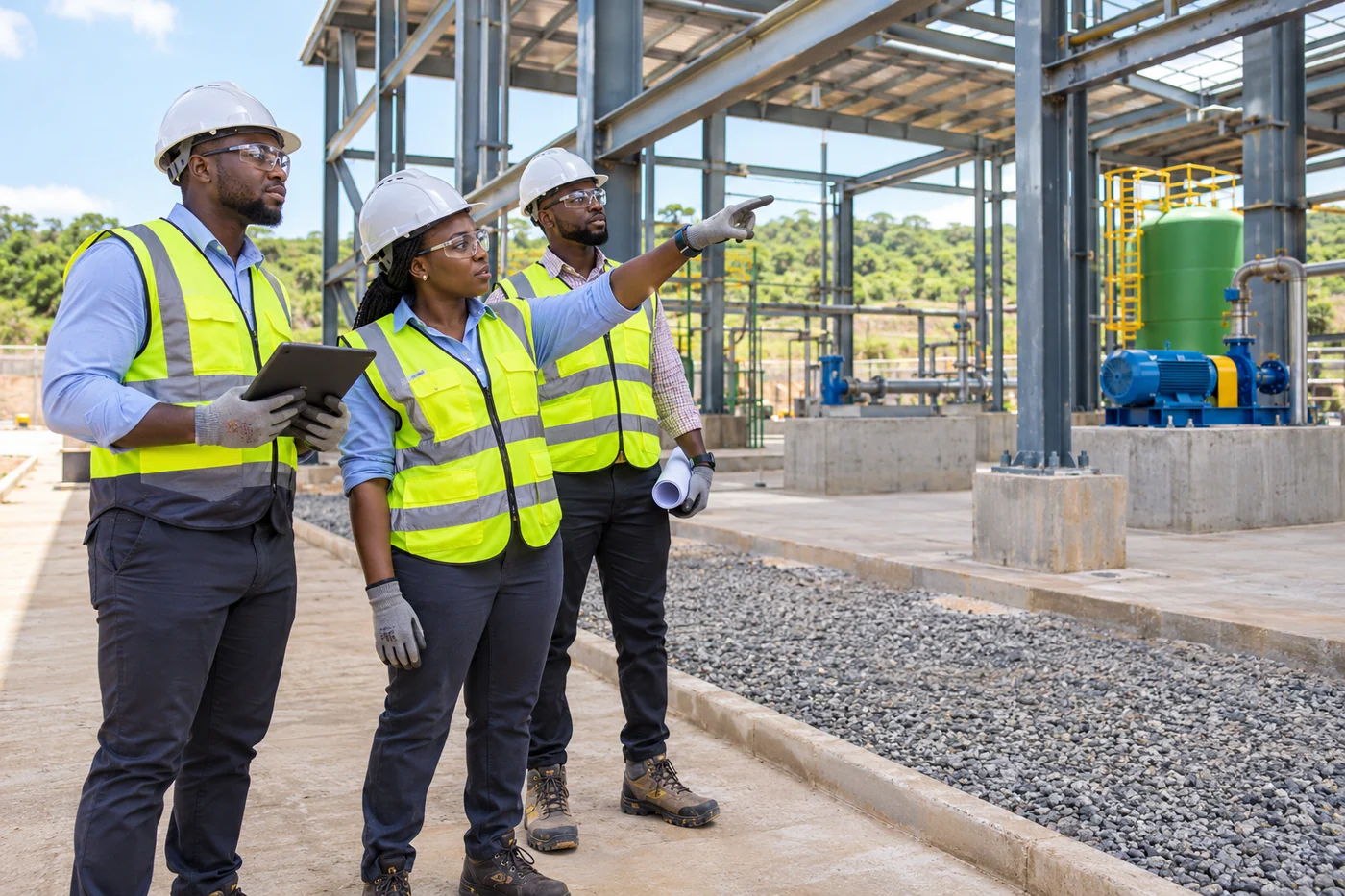
Industrial Construction Supervision
Supervise industrial construction interfaces, reviewing structural works, equipment-support preparations, access constraints and coordinated quality documentation.
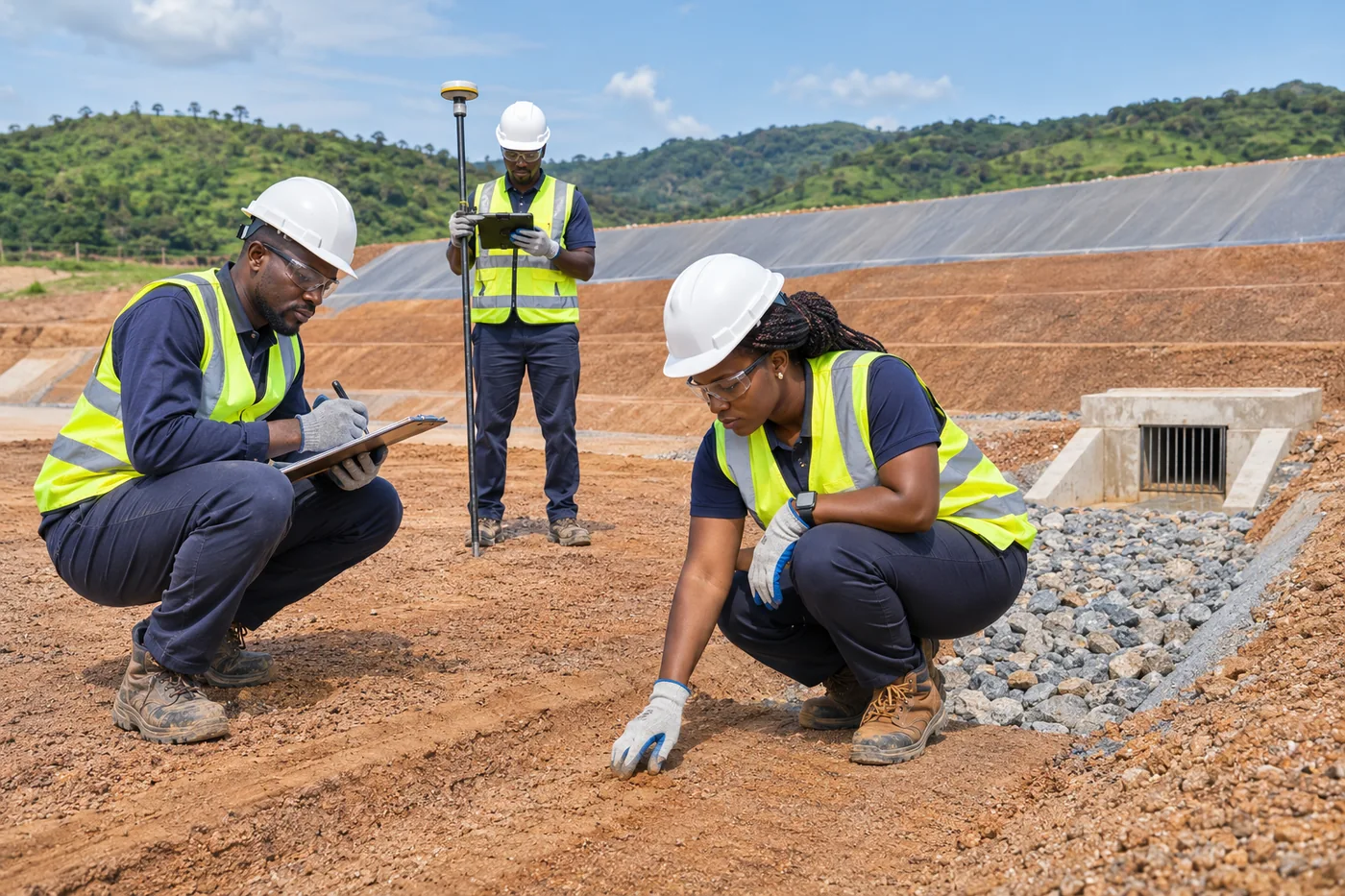
TSF Construction Supervision and Design-Intent Verification
Monitor tailings facility construction against approved design intent, documenting earthworks, drainage, quality controls and deviations requiring designer review.

Construction Materials Quality Assurance
Plan and review material sampling, testing and acceptance records so that construction quality decisions are supported by traceable evidence.
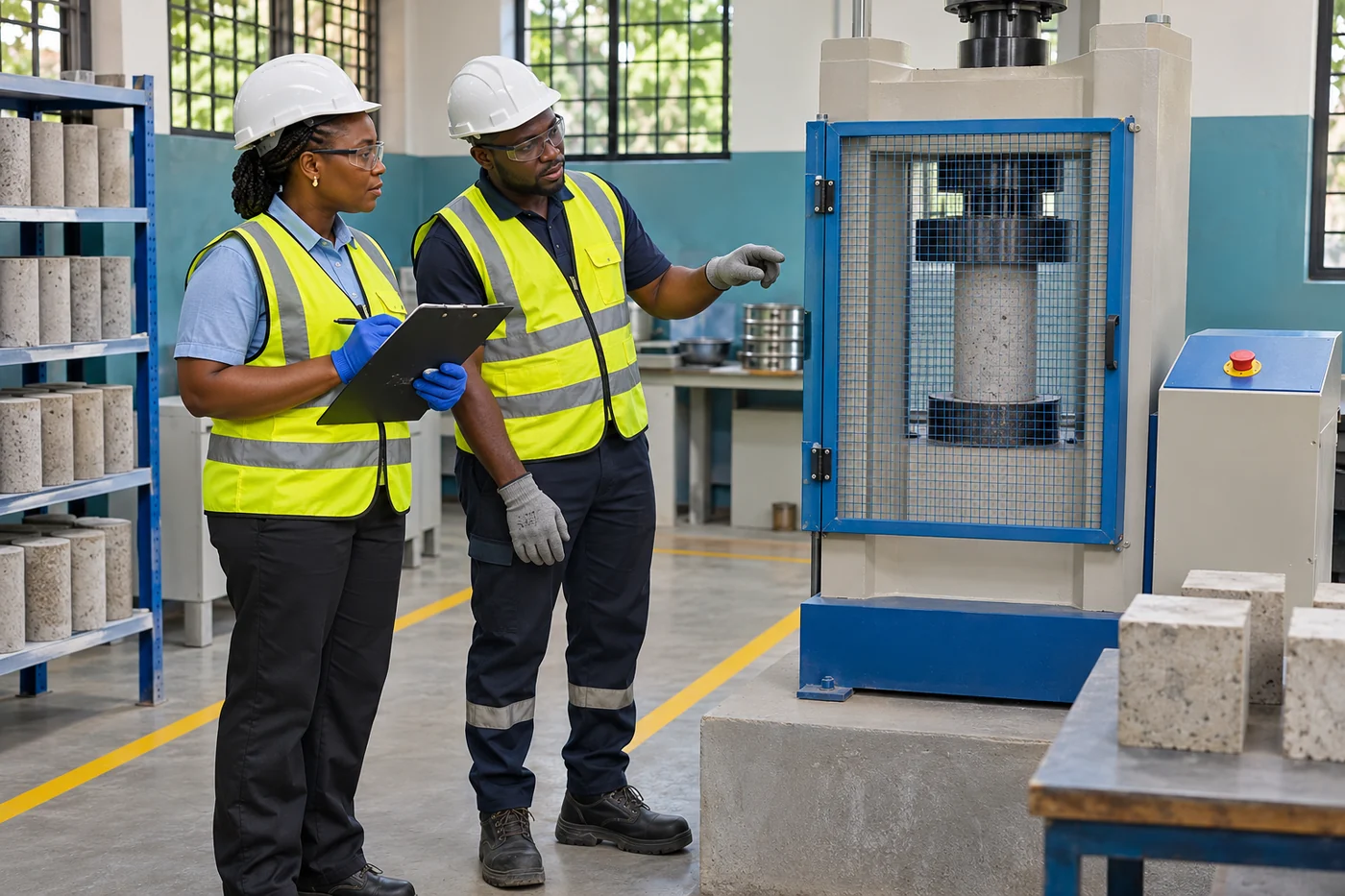
Site and Materials Laboratory Management
Organize site laboratory activities, test schedules, equipment checks and reporting, maintaining traceability between samples, results and construction locations.
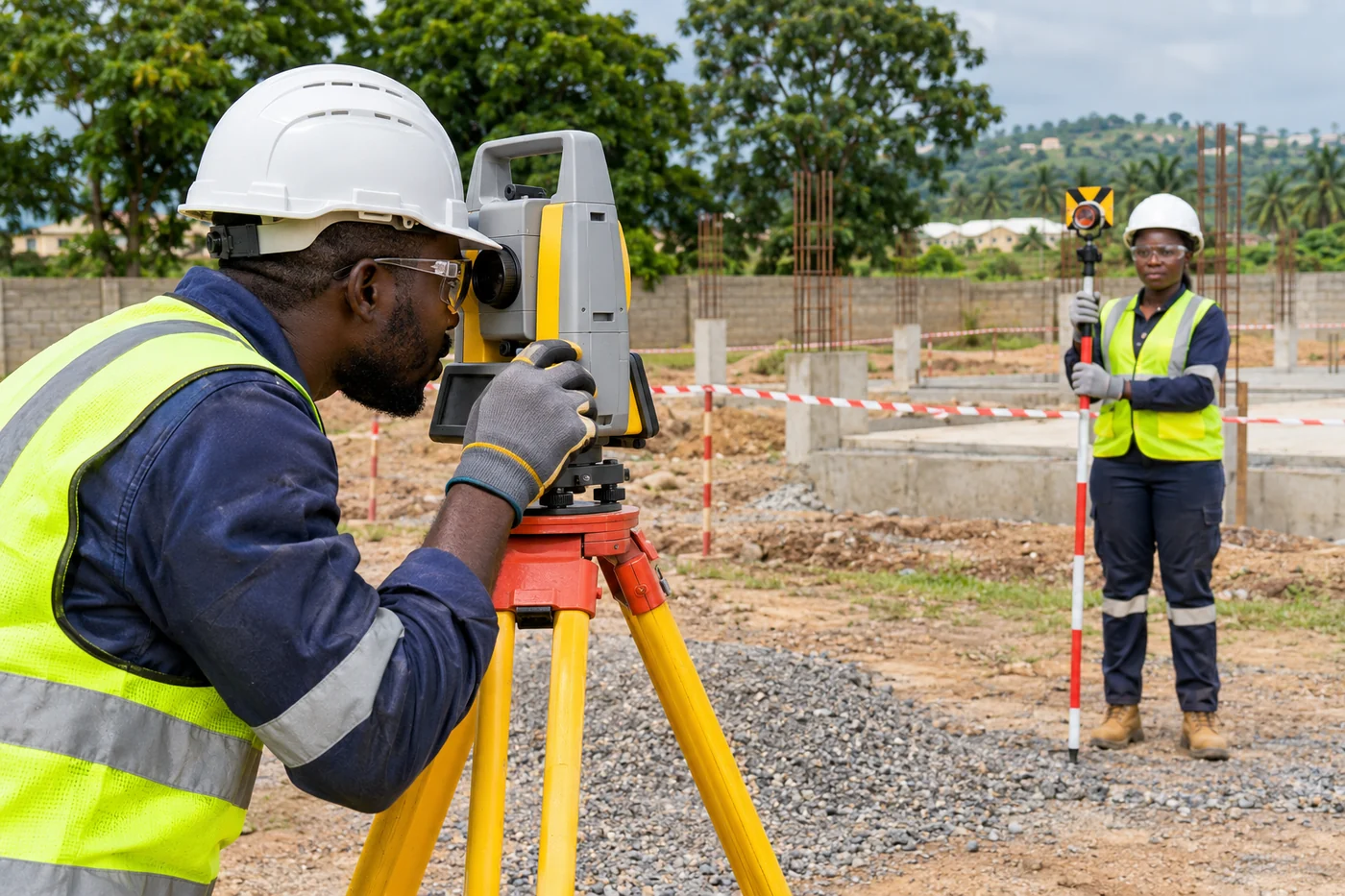
Survey and Geometric-Control Verification
Verify survey control, setting-out and completed geometry against approved coordinates, levels, tolerances and independent check requirements.
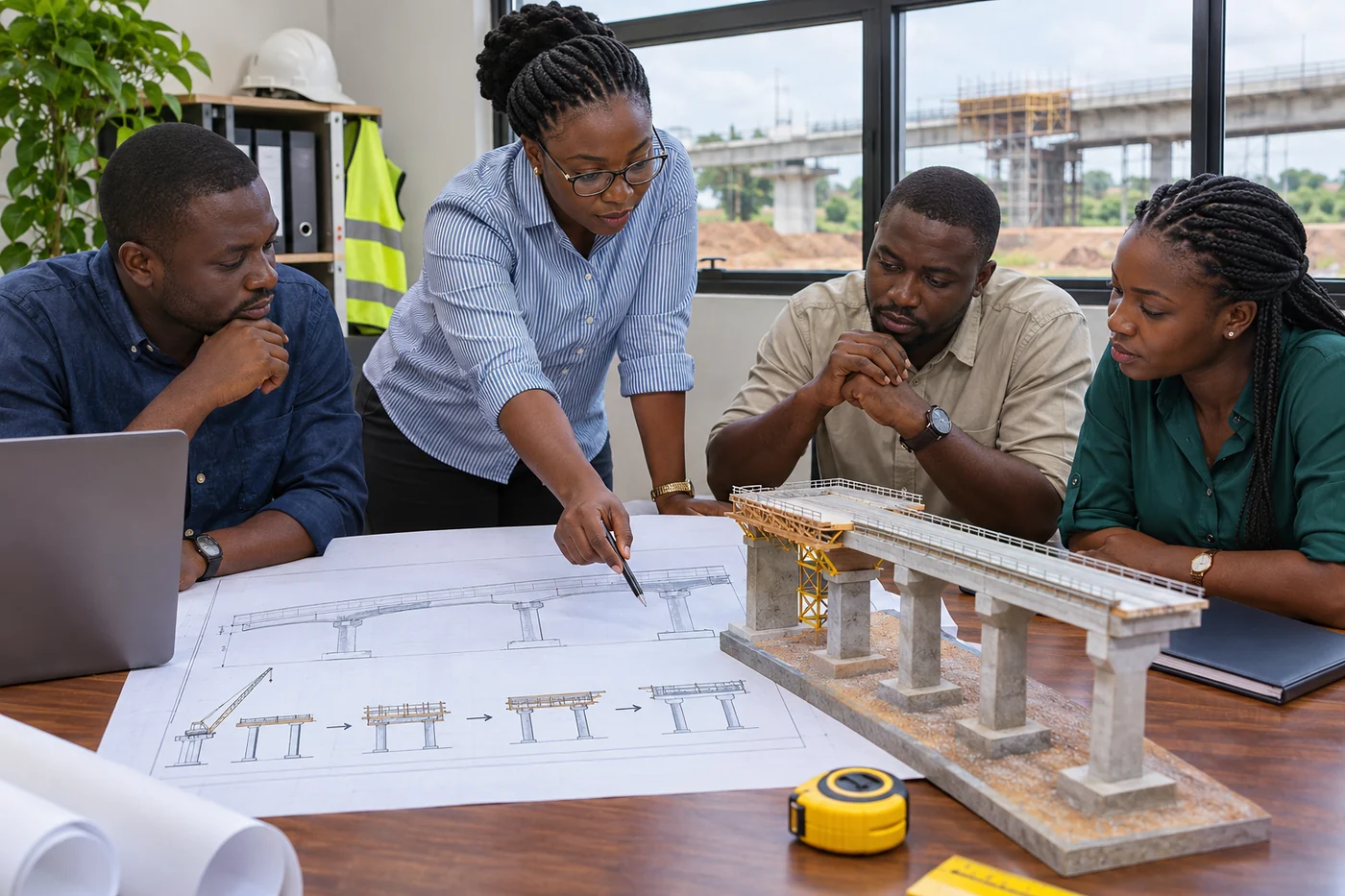
Method Statement and Inspection-Plan Review
Review proposed construction methods and inspection plans for sequencing, quality controls, hold points, responsibilities and project-specific risks.
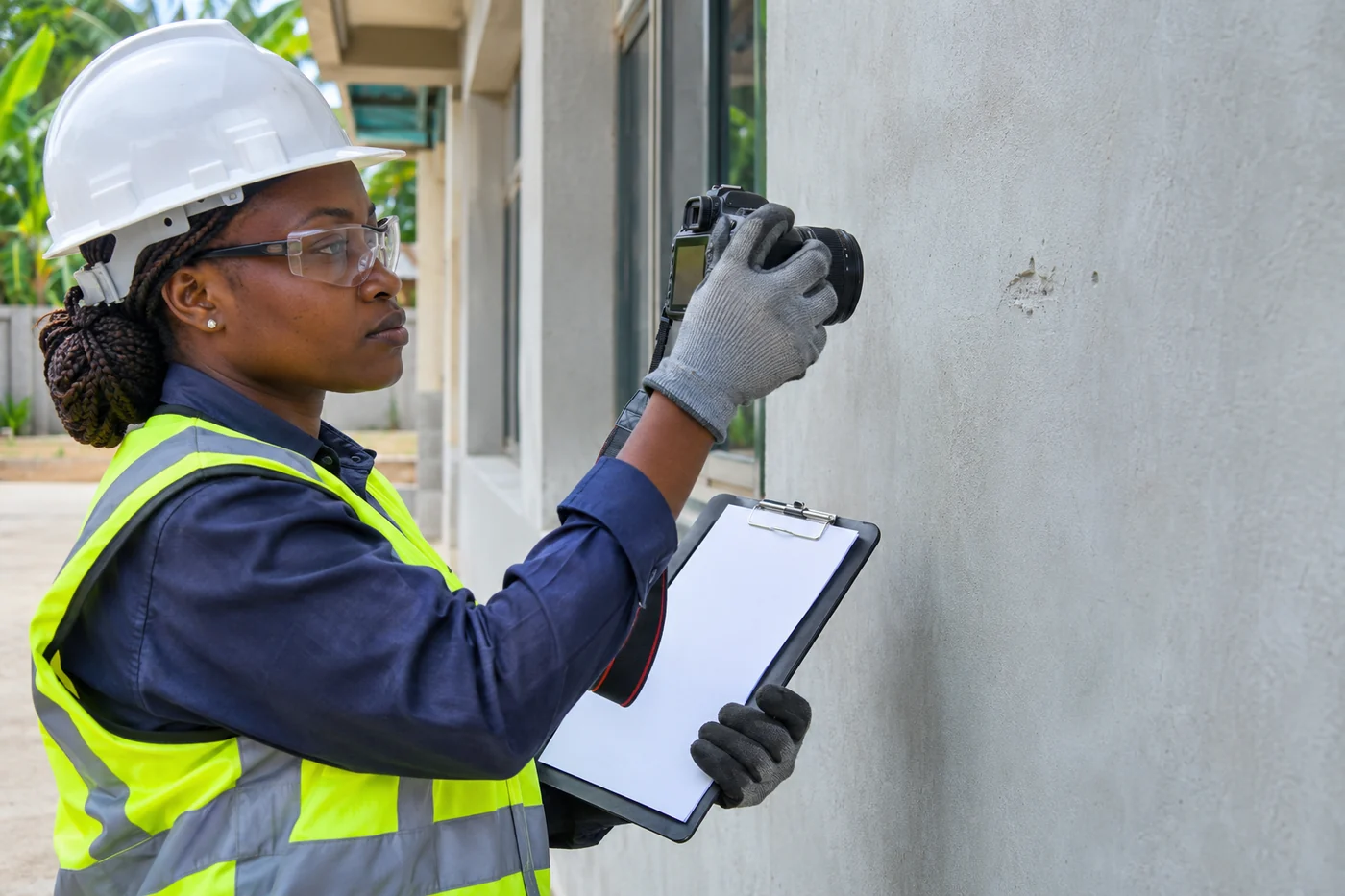
Nonconformance and Corrective-Action Management
Record nonconformances, assess proposed corrective actions and track closeout evidence to support transparent resolution of quality issues.
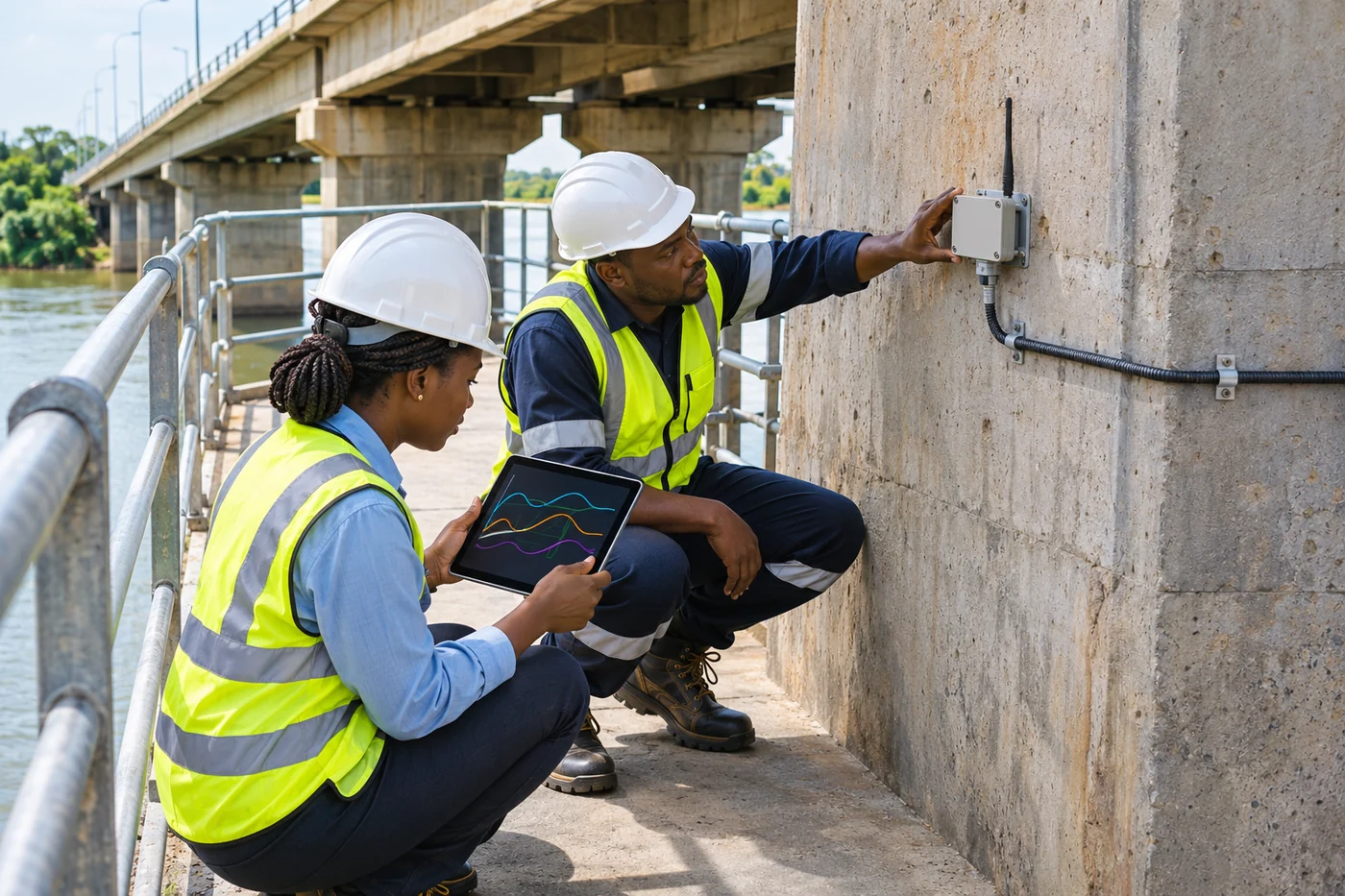
Bridge Structural Health Monitoring
Develop bridge monitoring plans and interpret structural response measurements, linking observed behaviour with inspection findings and defined review thresholds.
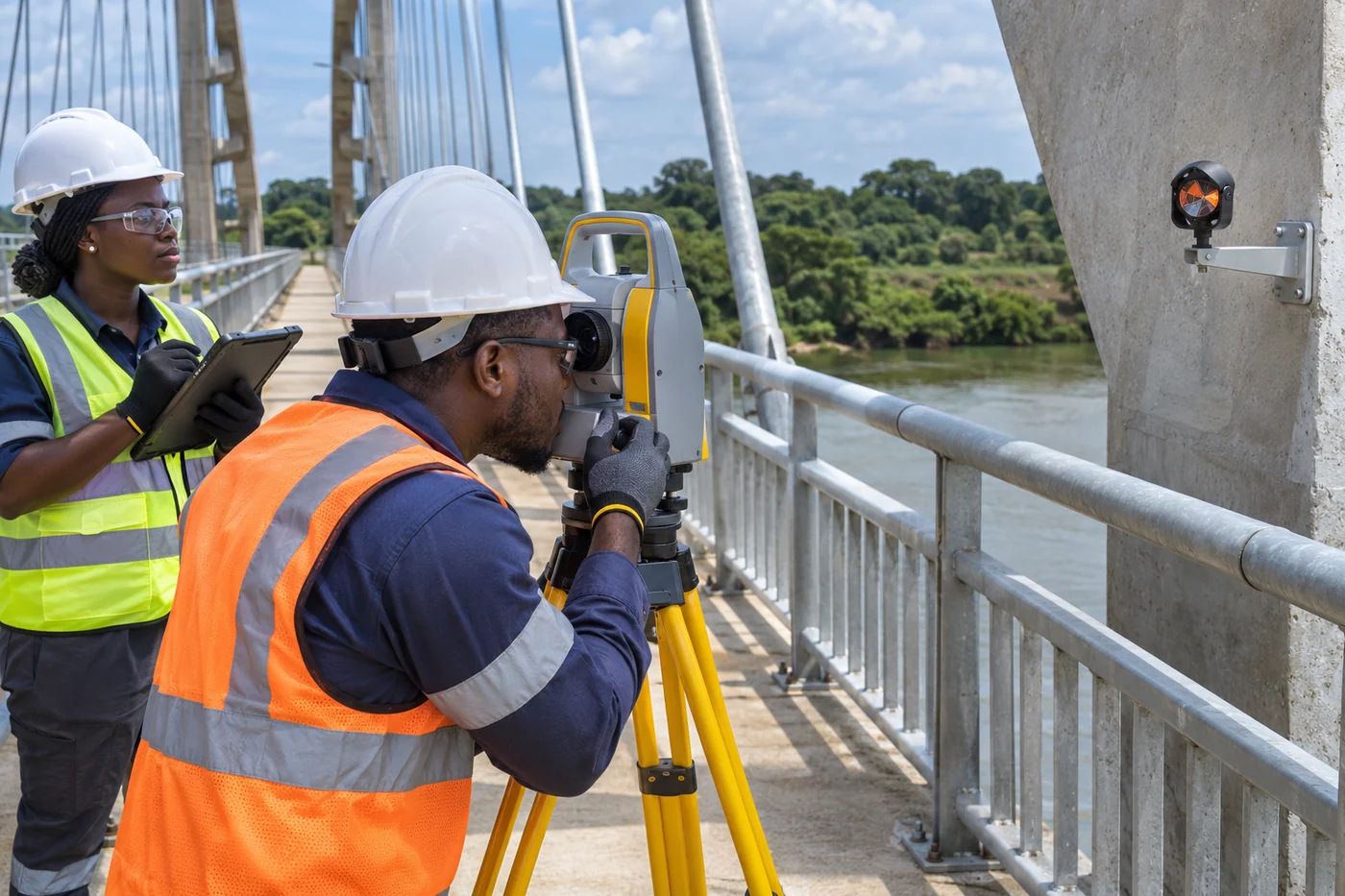
Bridge Movement and Deformation Monitoring
Measure and interpret bridge movements, rotations and deformation over time, considering temperature, loading, reference stability and measurement accuracy.
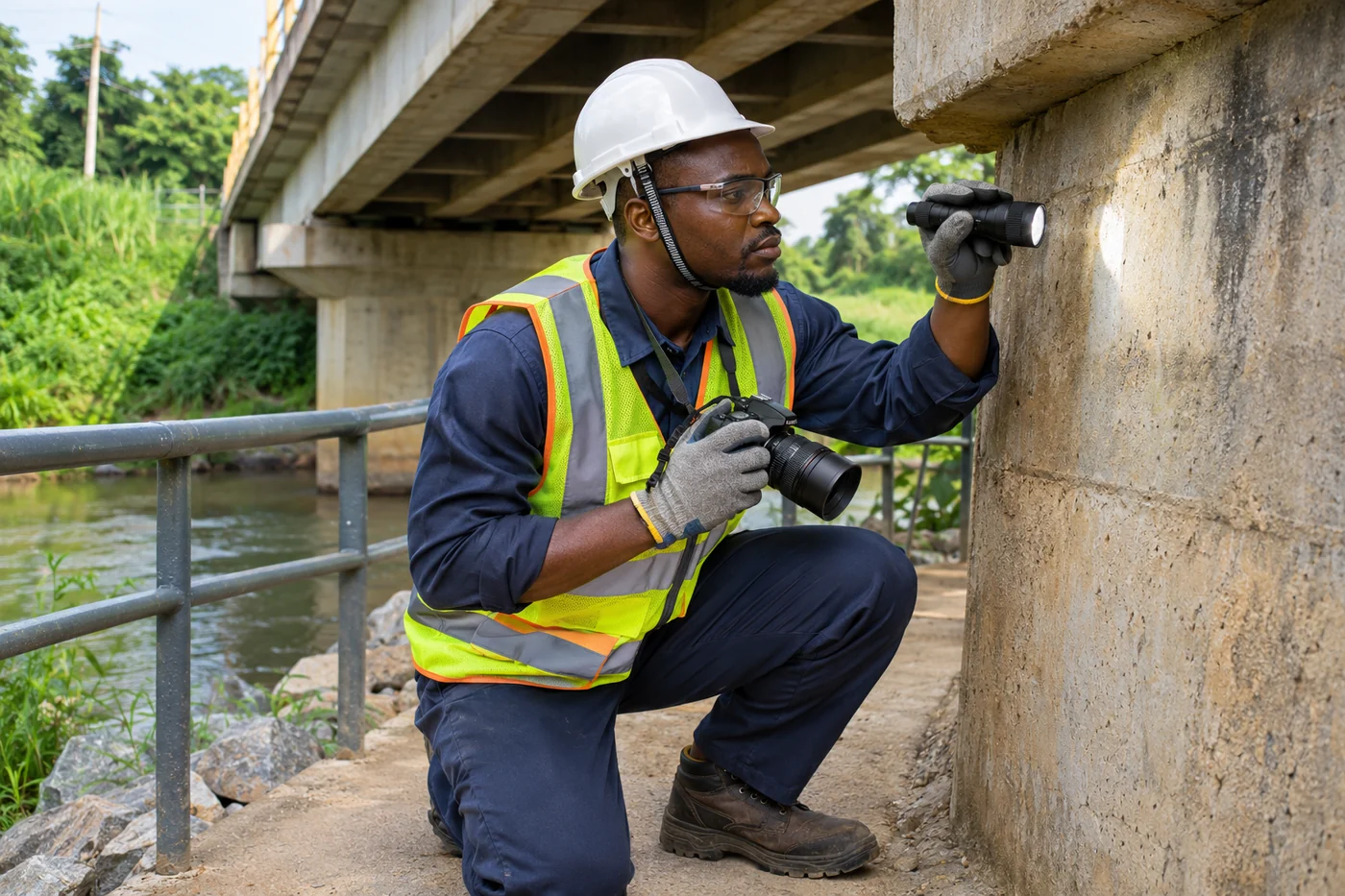
Bridge Inspection and Condition Assessment
Inspect bridge components and record condition, defects and access limitations, developing prioritized recommendations for investigation and maintenance.
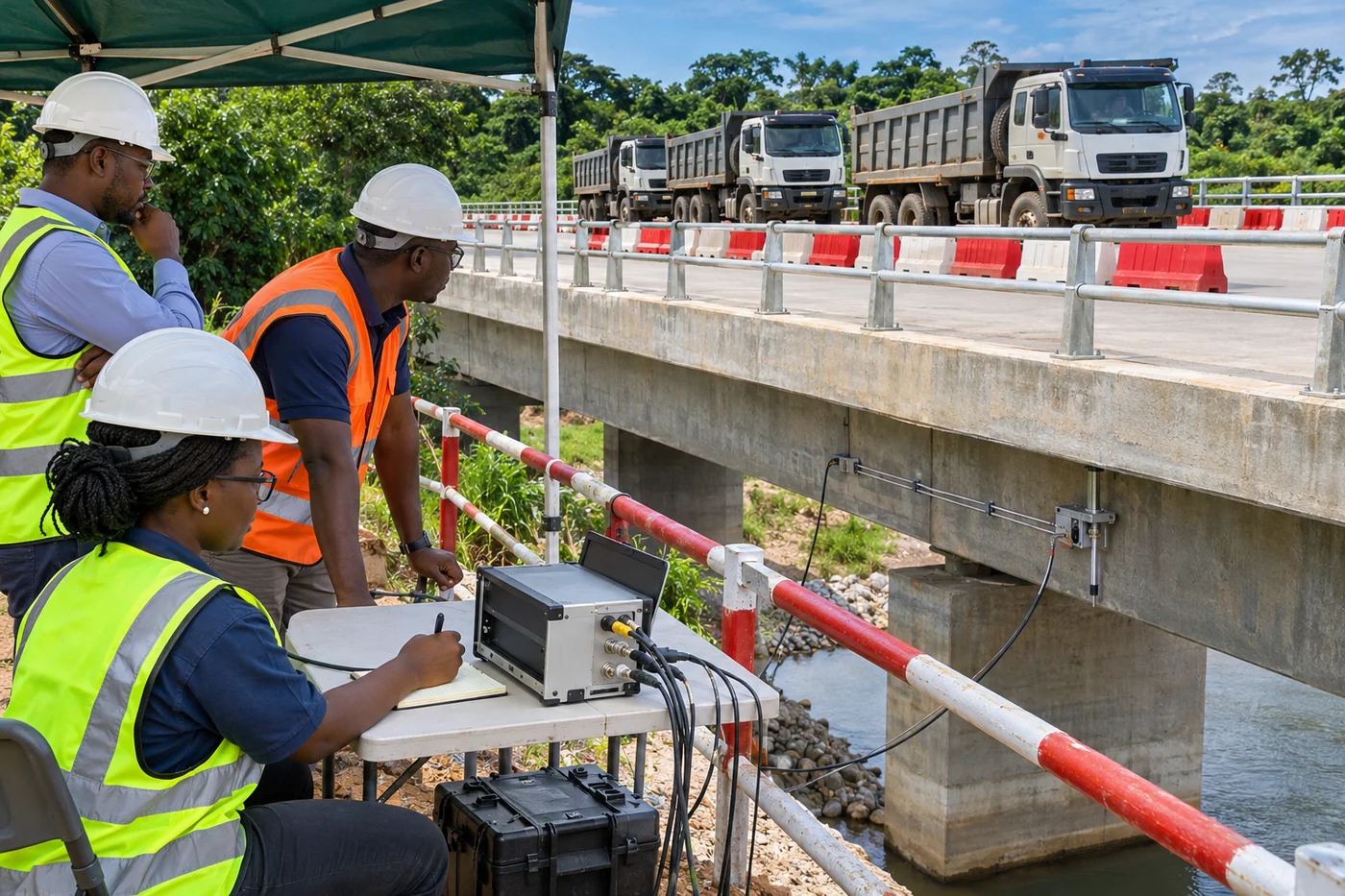
Bridge Load Testing
Plan and supervise bridge load tests under an agreed engineered procedure, coordinating instrumentation, loading stages, safety controls and response interpretation.
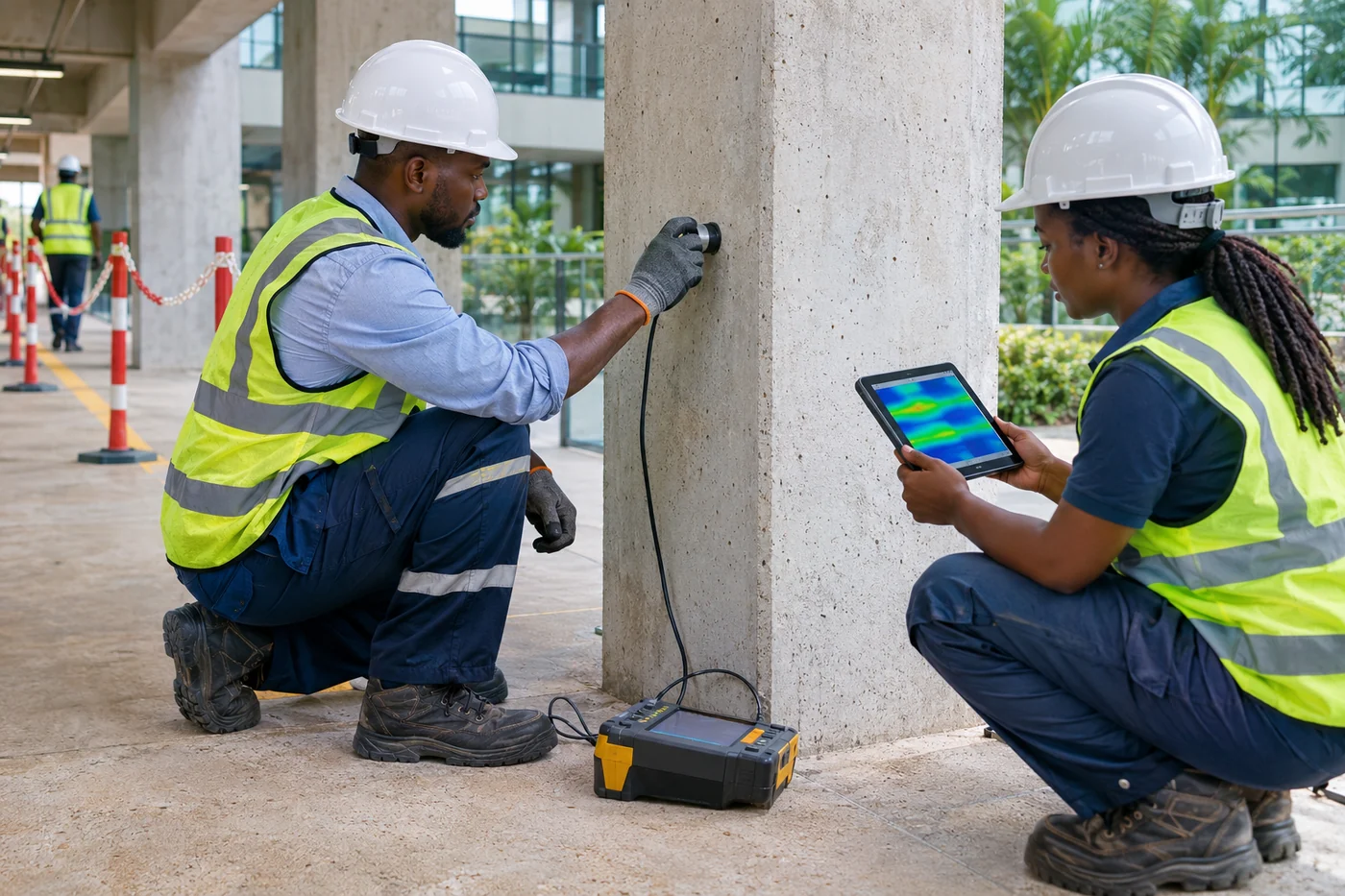
Structural Integrity Assessment
Assess structural integrity using available records, inspection findings and appropriate analysis, identifying uncertainties and investigations needed for decisions.

Structural Condition Survey
Document visible structural condition systematically, locating defects and deterioration and recommending proportionate follow-up investigation.
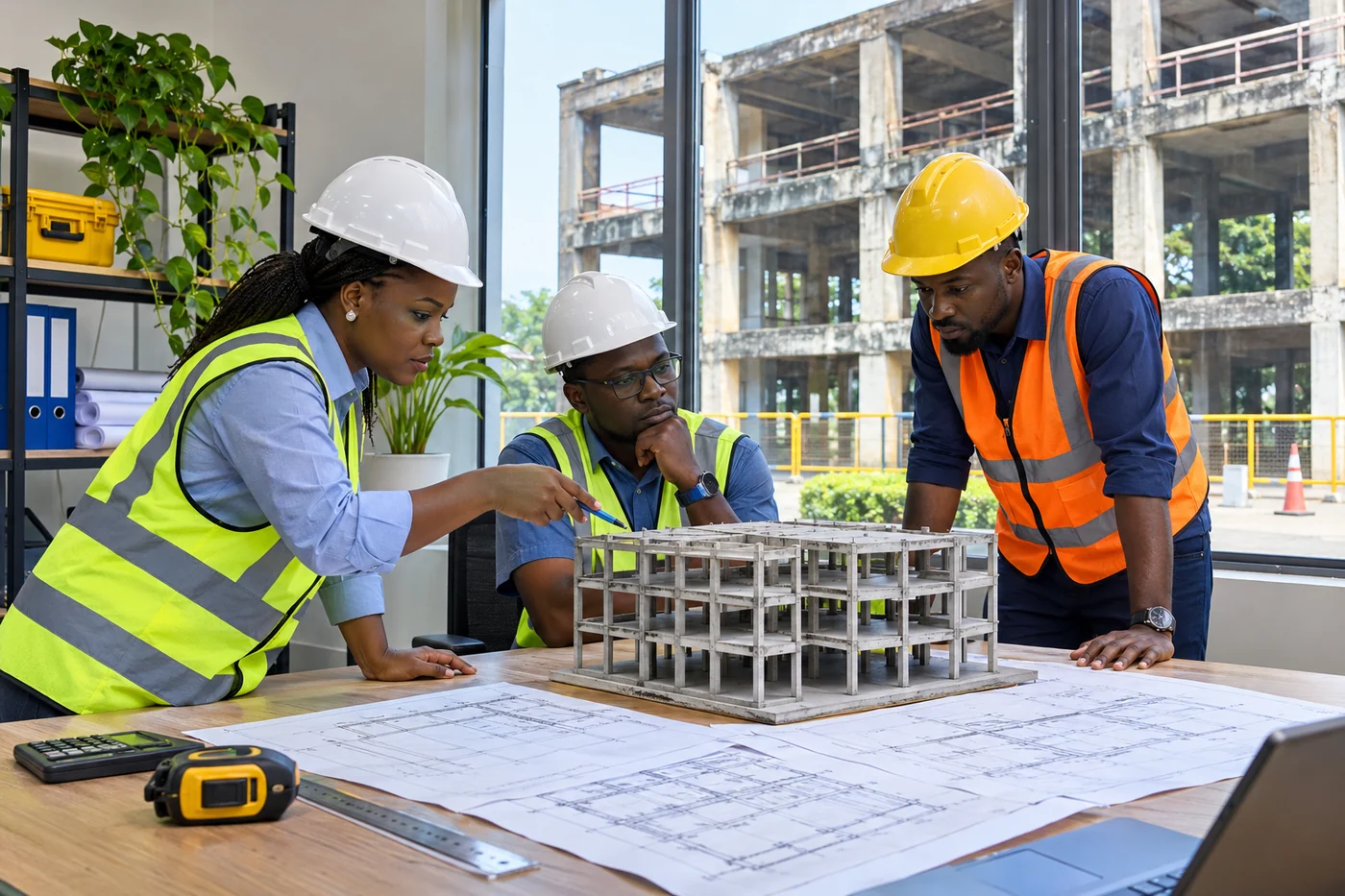
Existing-Structure Capacity Assessment
Assess an existing structure's capacity for proposed actions or changes of use, reviewing information quality, condition and governing load paths.
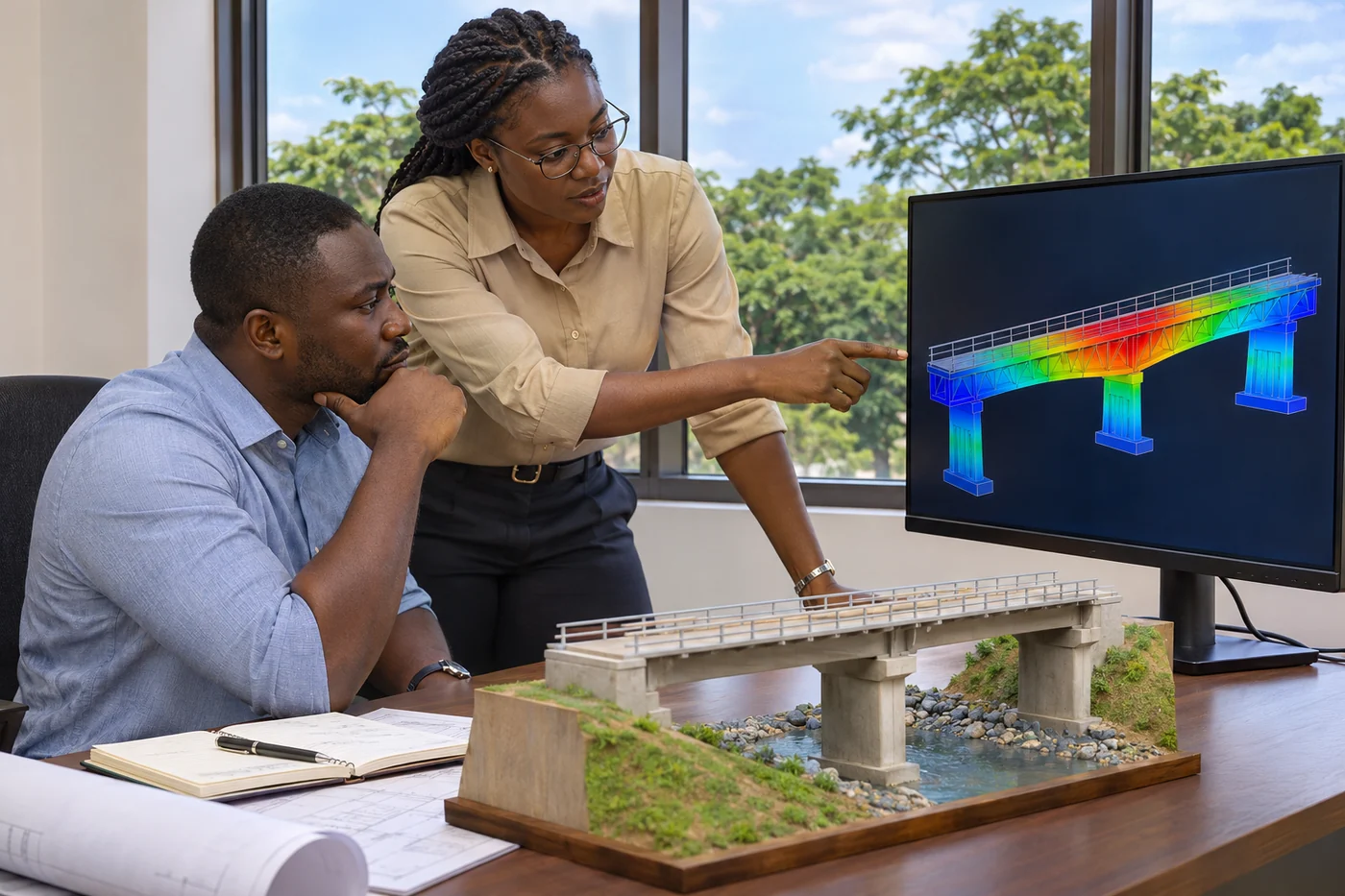
Bridge Load Rating
Evaluate bridge load-carrying capacity using verified geometry, materials, condition and loading criteria, documenting assumptions and operating implications.
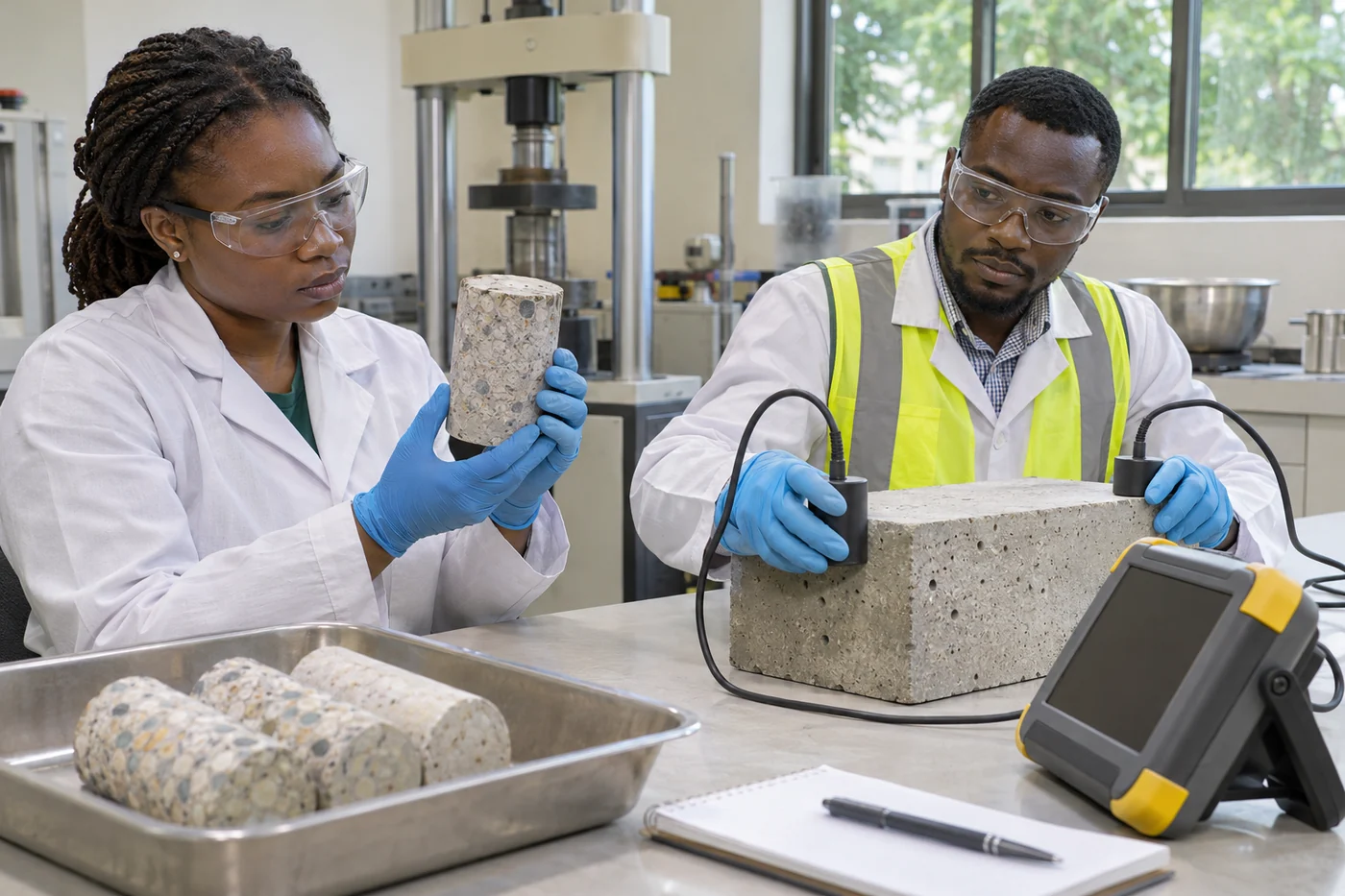
Concrete Investigation and Diagnostic Testing
Plan concrete investigations and interpret diagnostic test evidence to assess material condition, deterioration mechanisms and repair needs.

Steel-Structure Condition Assessment
Assess steel structures for corrosion, damage, connection condition and structural concerns, recommending targeted testing or analysis where necessary.
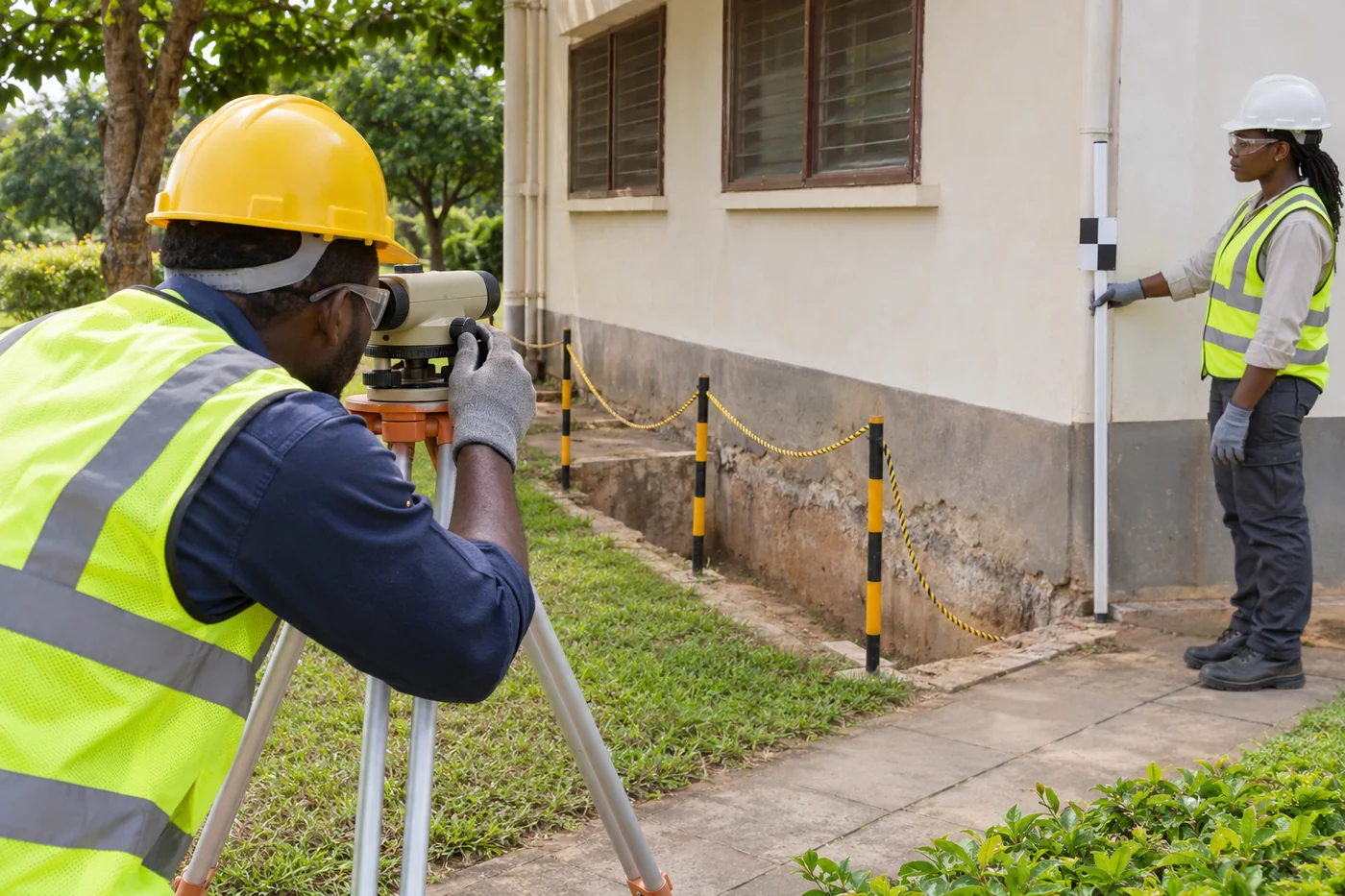
Foundation and Settlement Assessment
Review foundation performance and observed settlement using site records, measurements and ground information to identify causes and remedial options.
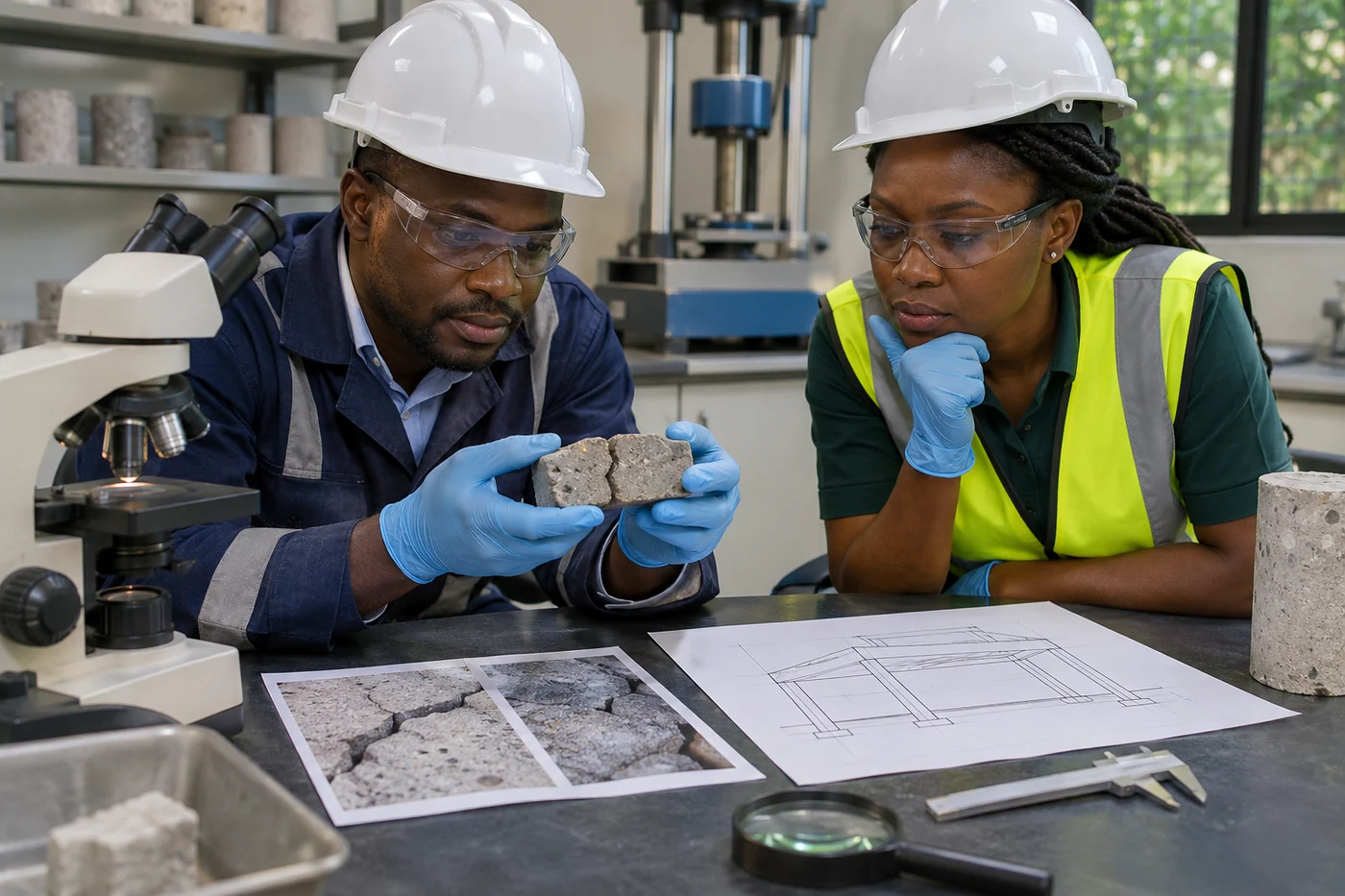
Forensic Structural Engineering
Investigate structural distress or failure through evidence review, site observations and engineering analysis, distinguishing findings from unresolved uncertainties.

Dilapidation and Pre-Construction Condition Survey
Record the condition of nearby properties and infrastructure before works begin, providing dated, location-referenced evidence for later comparison.
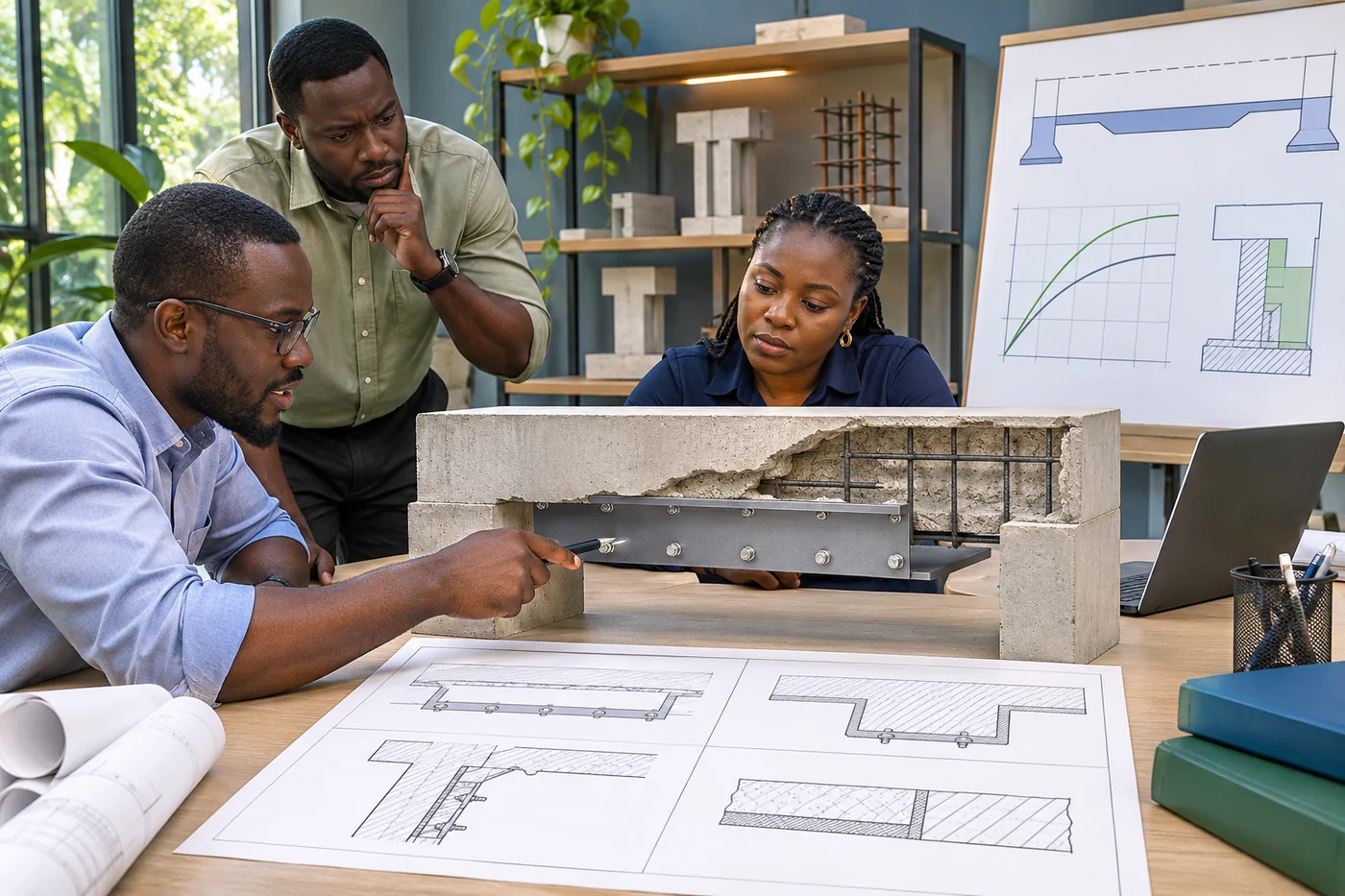
Rehabilitation and Remedial-Works Design
Develop practical repair and strengthening proposals from condition assessments, coordinating compatibility, durability, access and temporary support requirements.
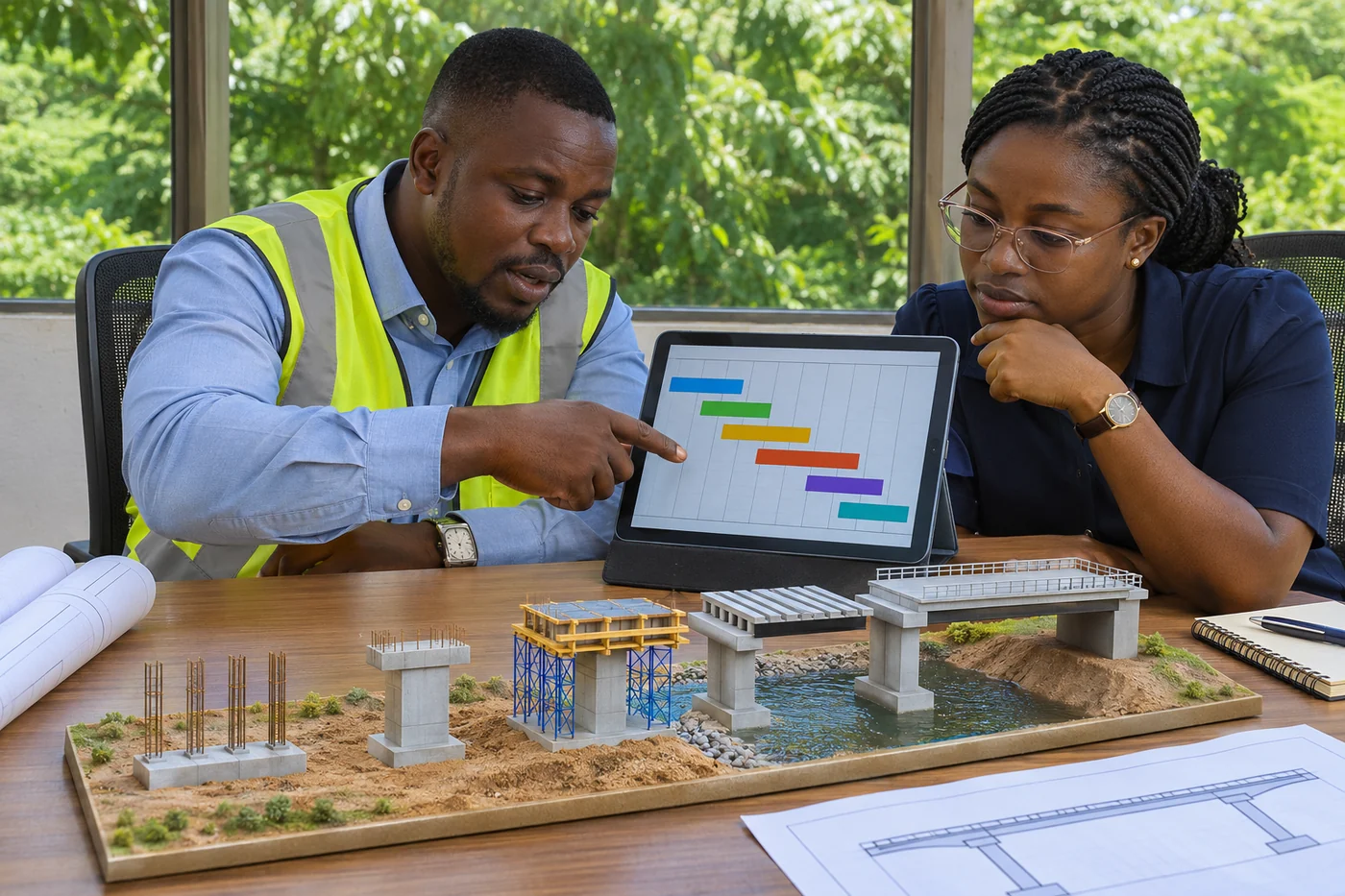
Construction Programme and Progress Monitoring
Review construction programmes and measured progress, identifying sequencing constraints, emerging delays and information needed for corrective planning.
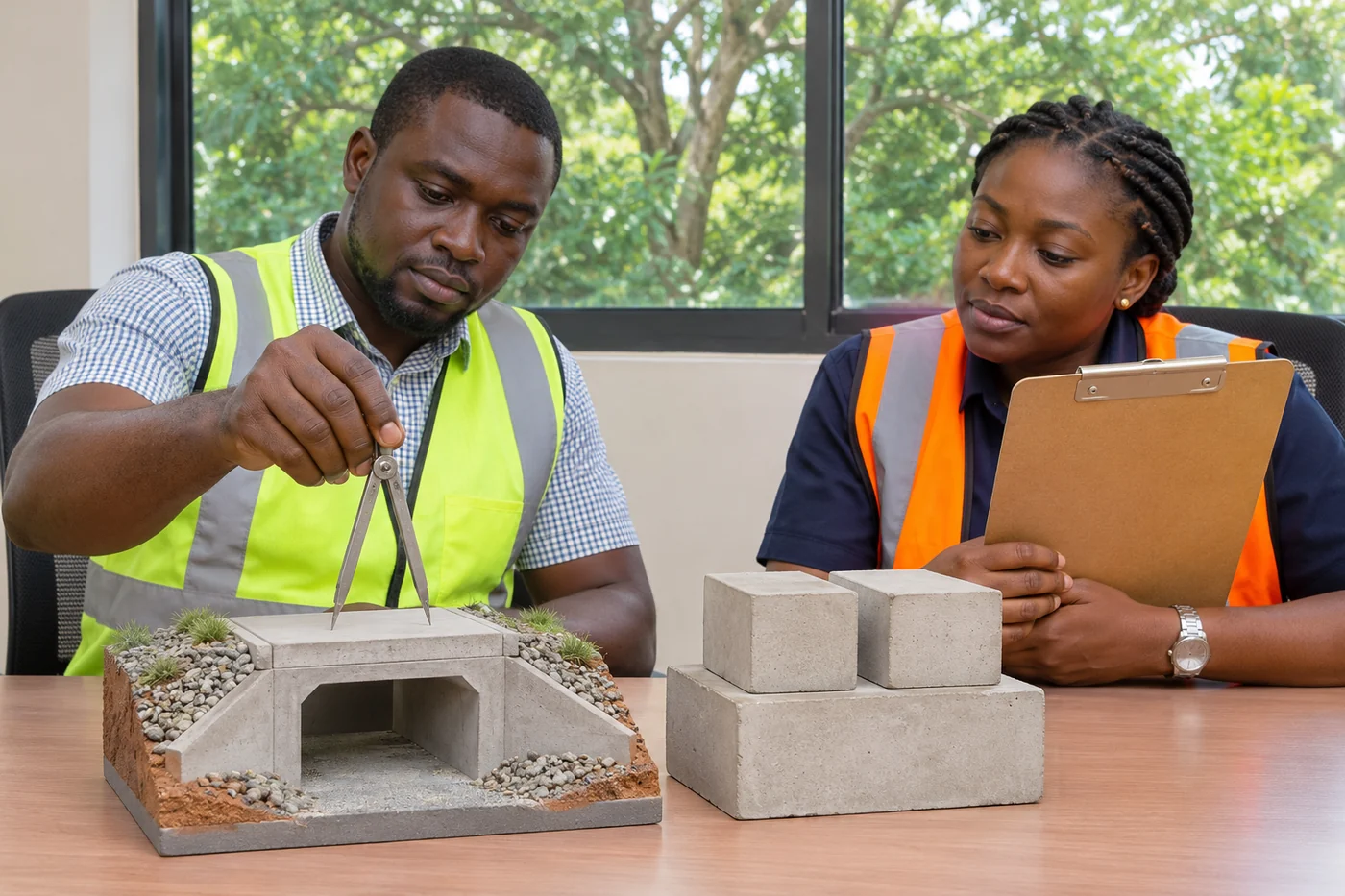
Quantity Measurement and Payment Certification
Verify measured quantities and supporting records for payment assessments, applying the contract's measurement rules and agreed valuation basis.
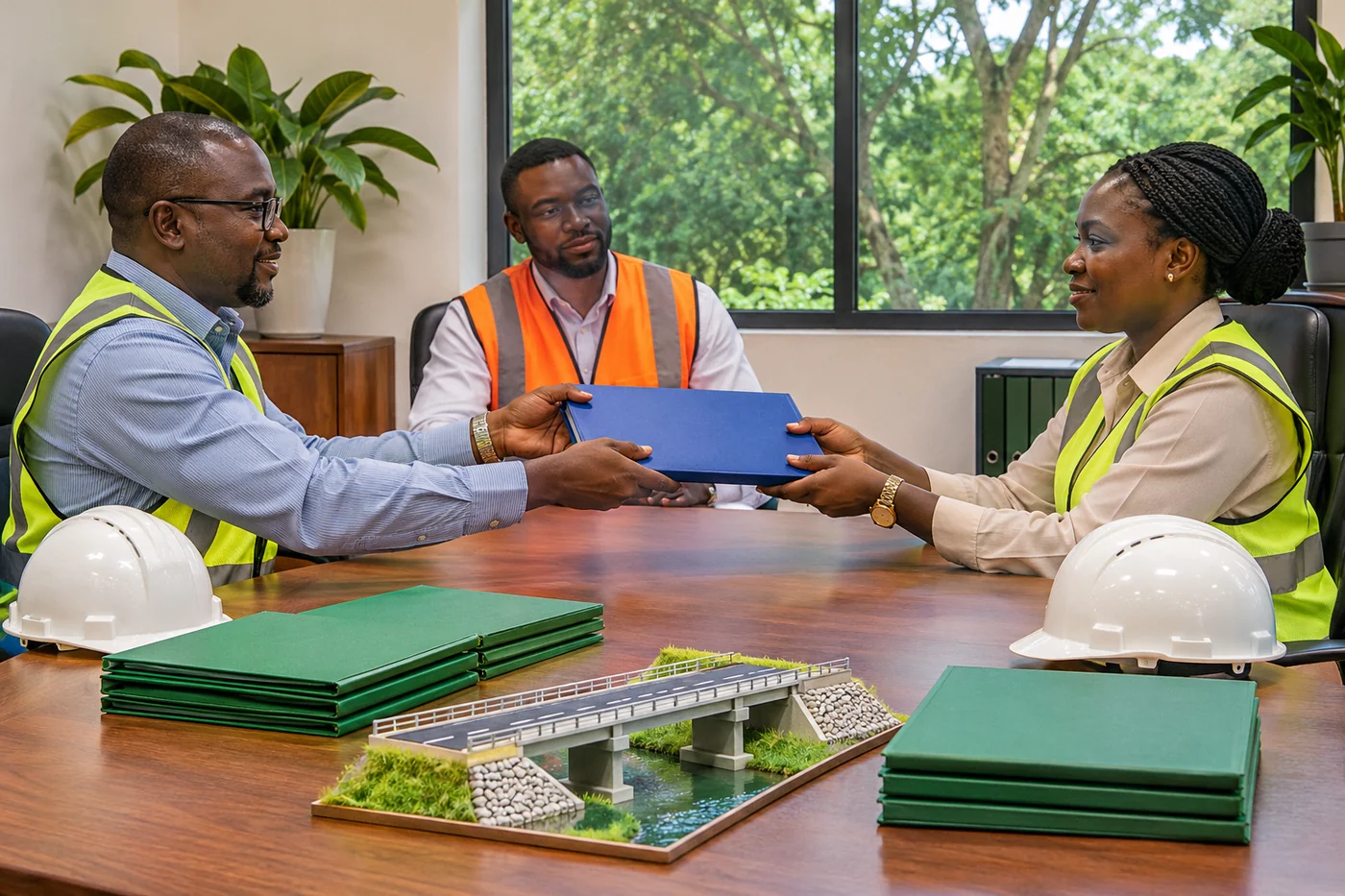
Contract Administration and Correspondence
Support contract administration with organized correspondence, records, instructions and assessments that maintain a clear project decision trail.
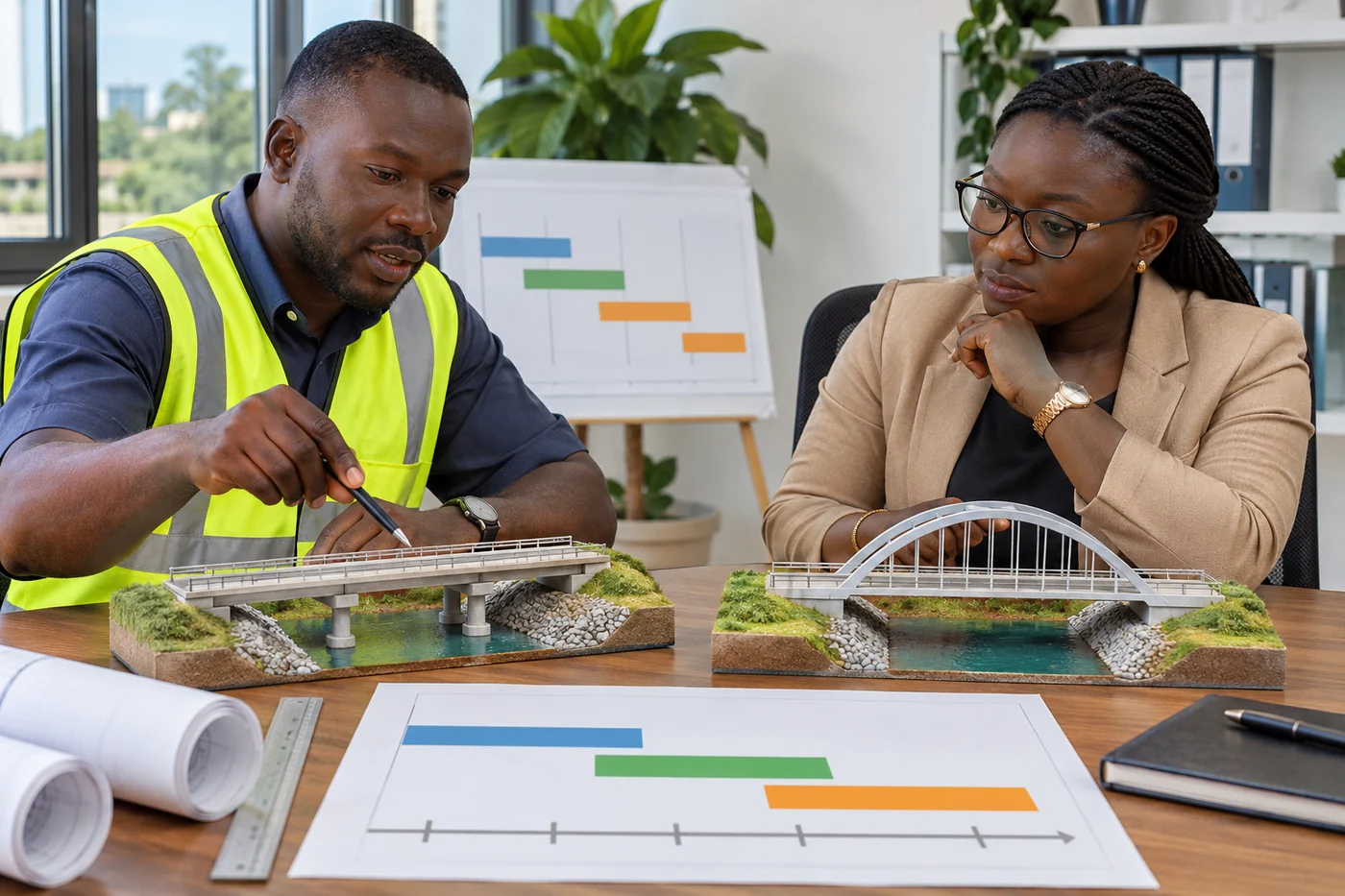
Variation, Claim and Extension-of-Time Assessment
Assess proposed variations, claims and time extensions against contract requirements, programme evidence and substantiated records, documenting the assessment basis.
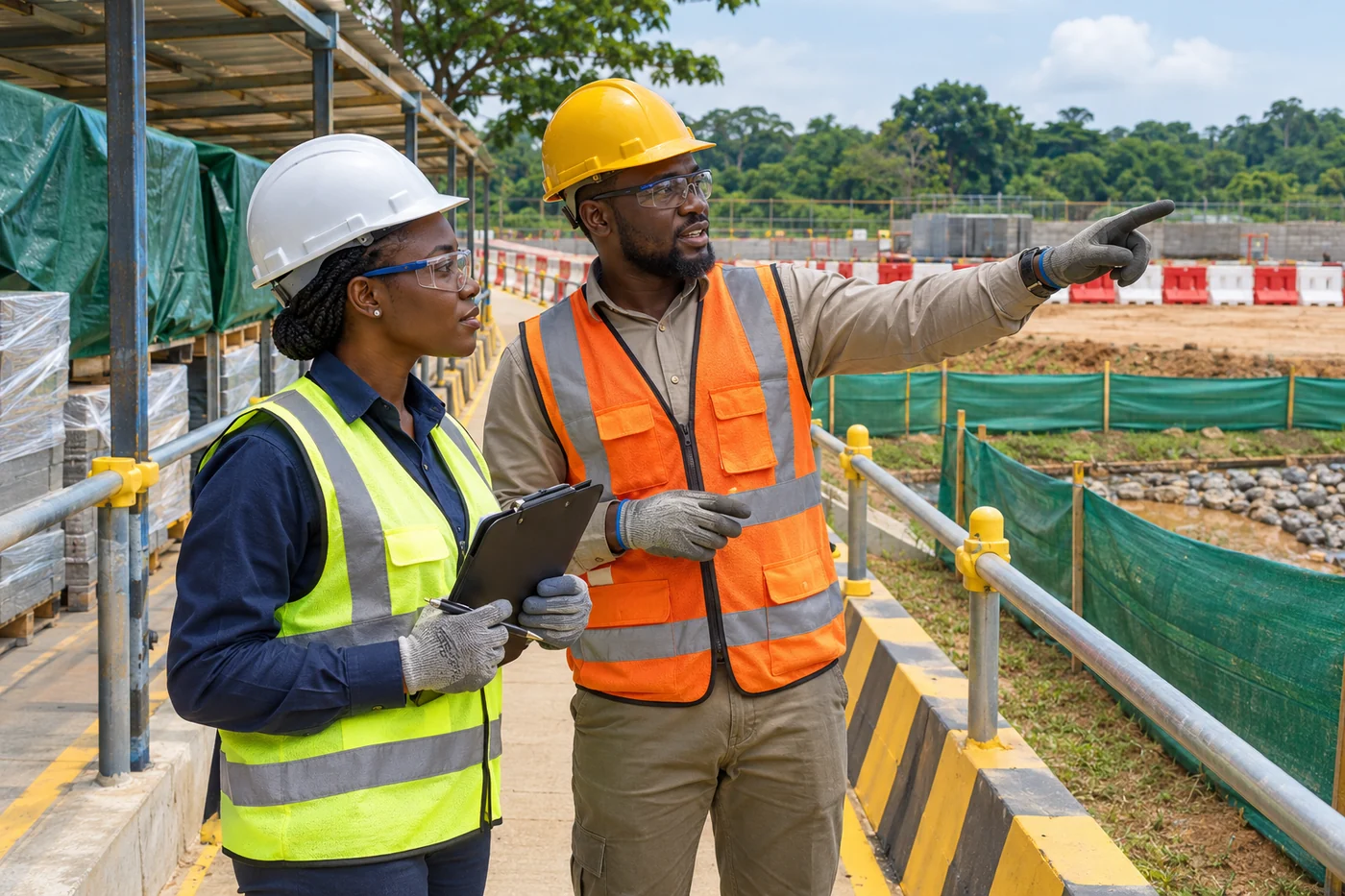
Health, Safety and Environmental Supervision
Monitor agreed health, safety and environmental controls during supervision, recording observations and escalating matters requiring action by responsible parties.
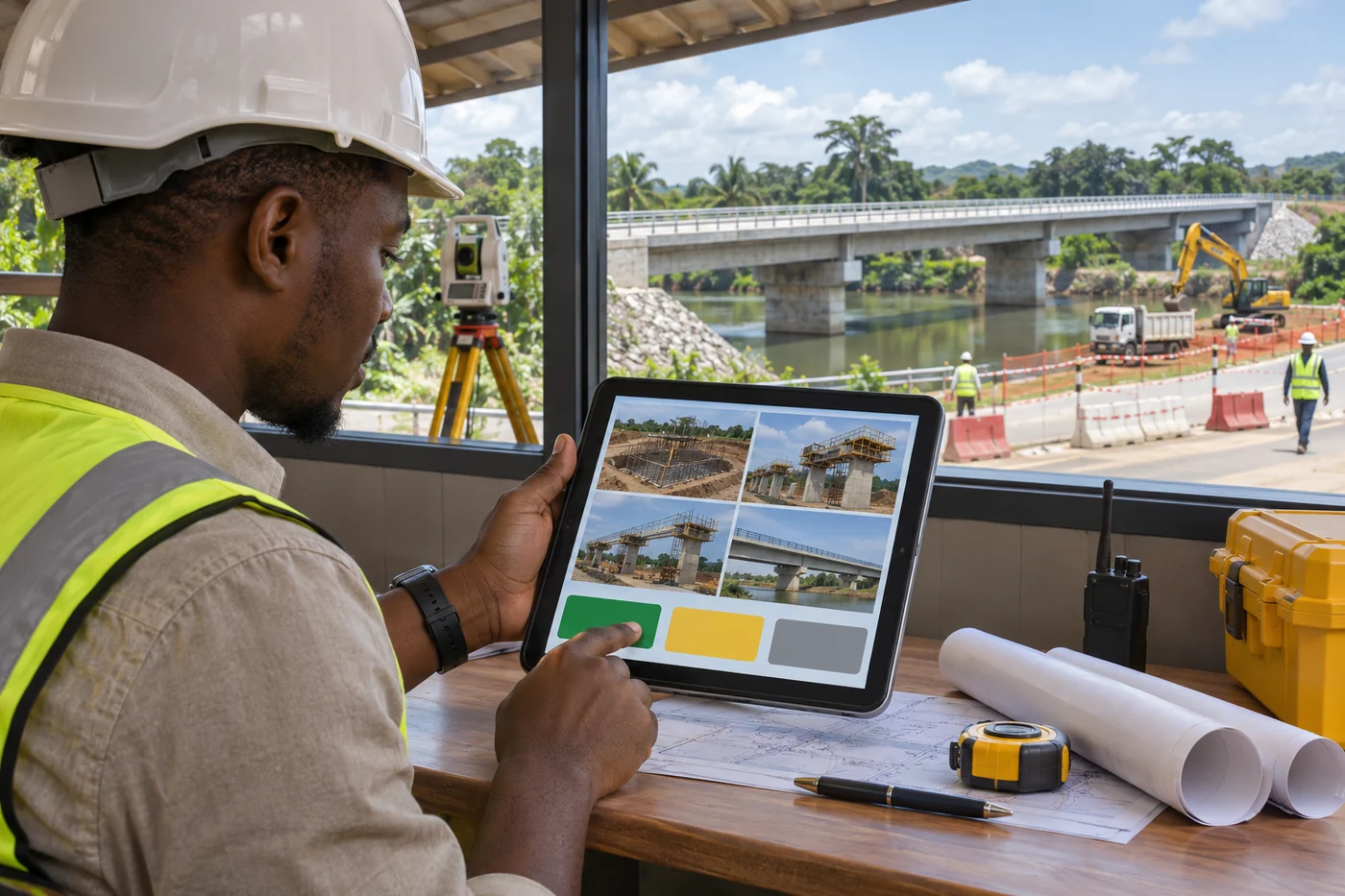
Digital Construction Records and Reporting
Organize digital inspection records, photographs, quality evidence and progress reports so that construction information remains searchable and traceable.
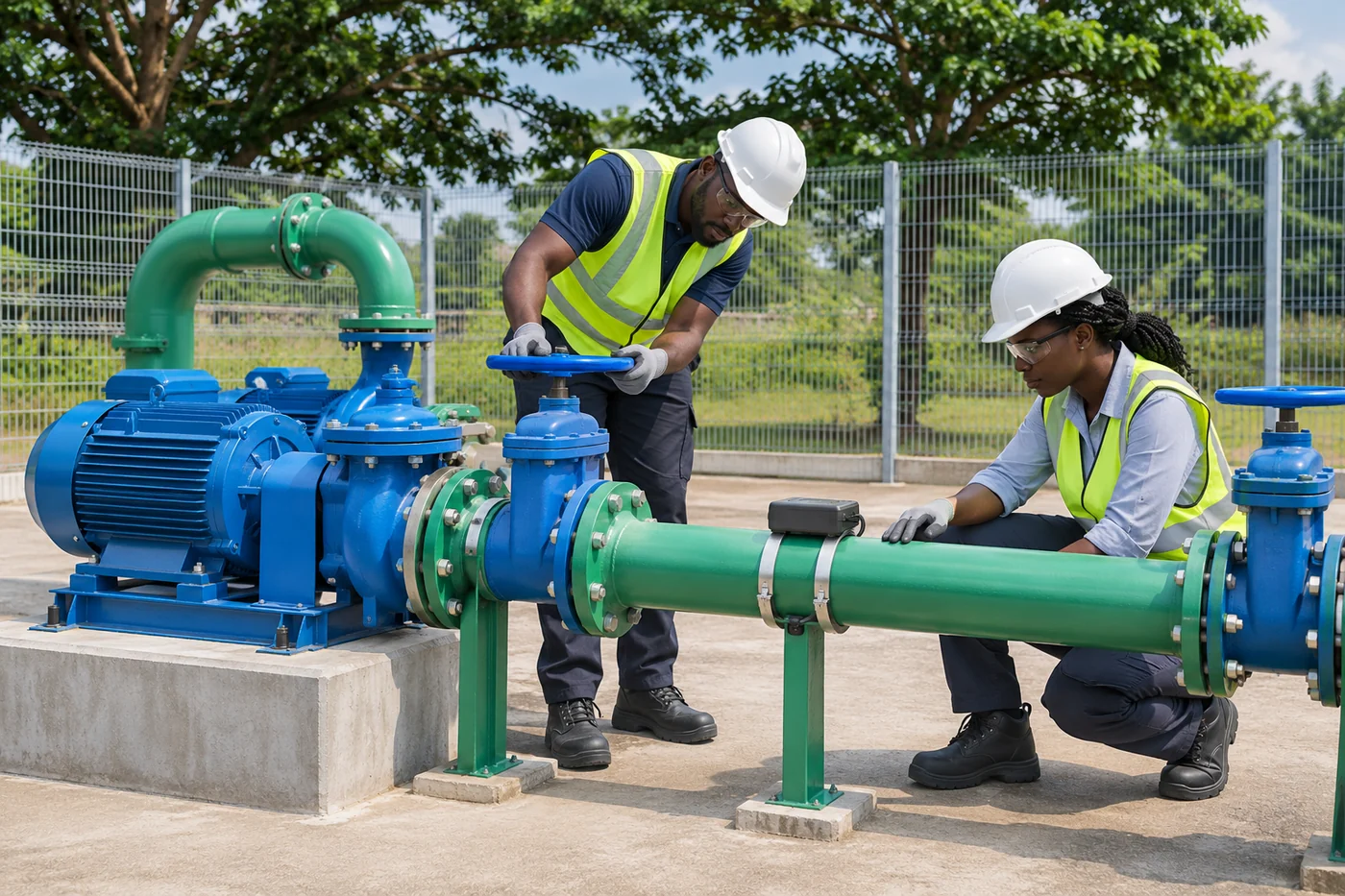
Testing, Commissioning and Handover Supervision
Witness agreed tests and commissioning activities, review completion records and track outstanding matters before formal handover decisions.
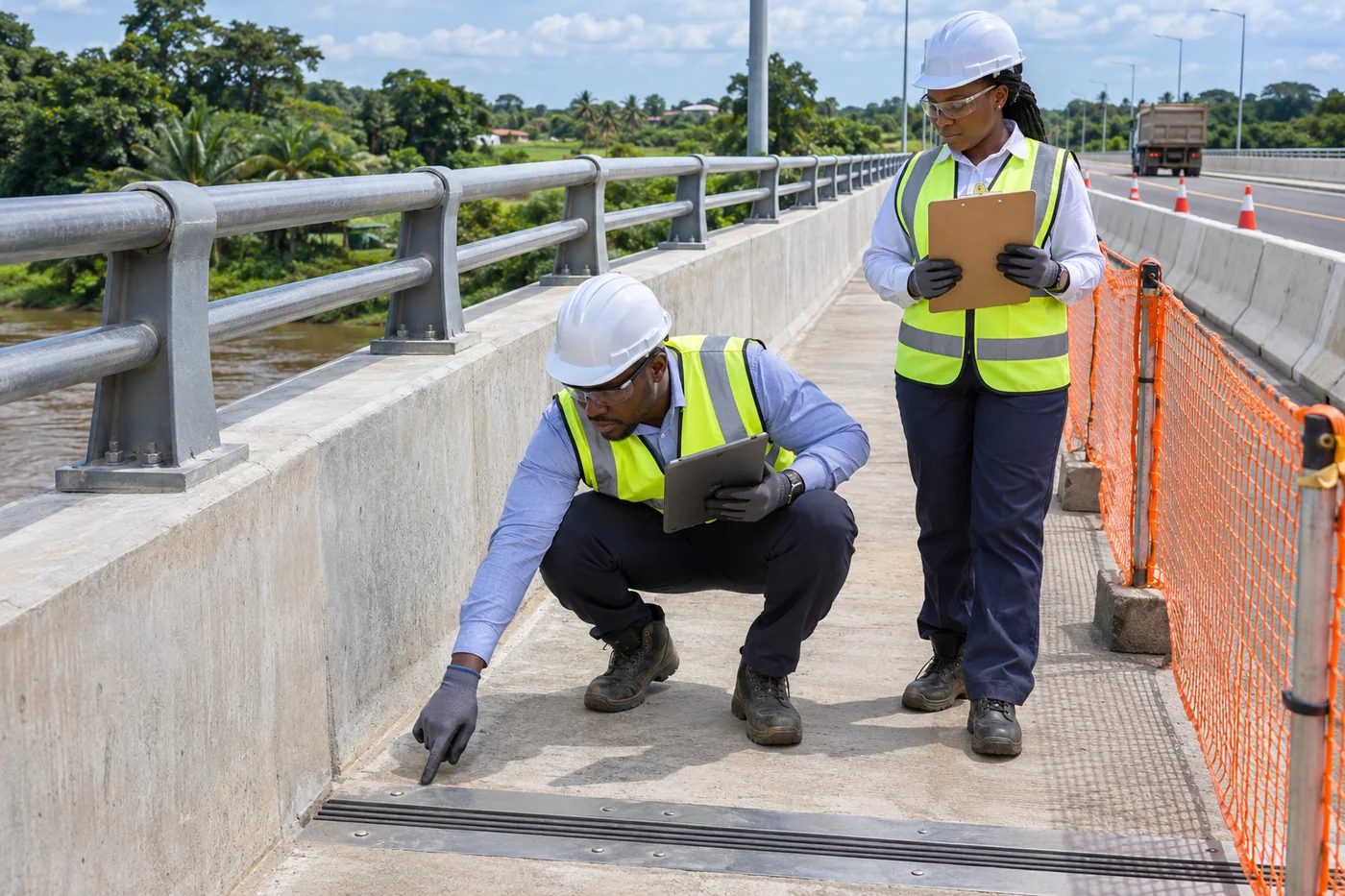
Project Closeout and Defects-Liability Supervision
Review closeout documentation and defects-liability inspections, tracking identified defects, corrective works and evidence needed for contractual completion.